Understanding the Mind-Body Connection


Introduction: The Invisible Thread Between Mind and Body
At the very core of human health lies an extraordinary synergy between the mind and the body—a relationship so intertwined that the two can no longer be seen as separate realms. Modern science has moved far beyond the outdated view that mental and physical health exist in isolation. Today, we understand that emotions, thoughts, and physical sensations are in constant dialogue, influencing everything from immune function and digestion to mood and decision-making.
One of the most intriguing discoveries in neuroscience, the Somato-Cognitive Action Network (SCAN), reveals a physical network within the brain where motor control, emotion regulation, and bodily processes meet. This groundbreaking insight reinforces what ancient healing traditions have known for centuries: mind and body are not parallel systems—they are threads of the same fabric.
Embracing this connection shifts our approach to wellness. Instead of compartmentalizing mental and physical health, we begin to see them as partners in a holistic dance—exchanging signals, shaping behavior, and responding to life’s challenges together.
Foundations and Evolution of the Mind–Body Perspective
Ancient Wisdom Meets Modern Neuroscience
Long before the tools of brain imaging and molecular biology existed, traditions like Ayurveda in India and Traditional Chinese Medicine (TCM) recognized that mental and physical health were deeply interlinked. These systems understood that imbalance in one realm inevitably disrupted the other. Ayurvedic practitioners spoke of the mind and body as mirrors of each other, while TCM viewed the flow of Qi—life energy—as essential for maintaining both mental clarity and physical vitality.
Western medicine, however, historically leaned toward mind–body dualism, influenced by philosophical traditions that treated mental and physical health as distinct entities. Over time, this separation dominated medical thinking—until research began to dismantle it. Today, studies reveal that psychological stress can alter heart rate, digestion, immune response, and even gene expression, while physical conditions like inflammation or gut dysbiosis can directly affect mood, cognitive performance, and emotional resilience.
Mapping the Mind–Body Connection in the Brain
With advanced neuroimaging, scientists have identified brain networks that integrate body sensations with cognitive and emotional processing. The Somato-Cognitive Action Network (SCAN), discovered by researchers at Washington University, is a prime example. This network physically links areas of the brain responsible for movement, bodily awareness, and emotional regulation.
In simpler terms, it’s the brain’s built-in bridge between what you feel physically and how you think and respond emotionally. This means that when you calm your body, you can influence your mind—and when you shift your mental state, you can change your physical experience.
Why the Mind–Body Connection Matters
When Mental States Become Physical—and Physical States Shape the Mind
The evidence is everywhere in daily life. A stressful deadline can lead to a pounding heartbeat and tense shoulders. Anxiety can bring shallow breathing and digestive upset. Likewise, chronic back pain or inflammation can make it harder to concentrate, reduce motivation, and even trigger depression.
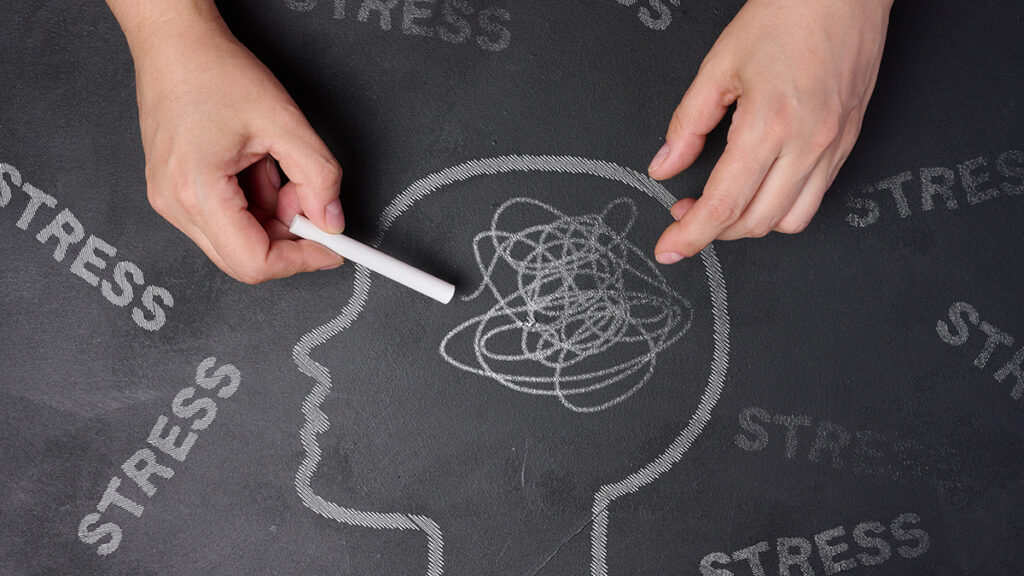
Chronic stress, in particular, is a powerful disruptor. Prolonged activation of the stress response elevates cortisol, raises blood pressure, weakens immunity, and fuels inflammation—all of which contribute to disease over time. On the flip side, physical imbalances such as nutrient deficiencies, hormone disruptions, or poor sleep can set the stage for anxiety, low mood, and mental fatigue.
The takeaway is clear: tending to either the mind or the body in isolation is never enough. True health comes from addressing both in unison.
Building Resilience Through Integration
When we deliberately nurture the mind–body bond, we do more than ease symptoms—we build resilience. Practices like mindfulness meditation, yoga, tai chi, and somatic therapy have been shown to improve emotional clarity, enhance memory, boost stress tolerance, and promote overall well-being.
For instance, mindfulness training has been proven to reduce overactivity in the amygdala—the brain’s fear and stress center—while strengthening areas tied to focus, self-control, and positive mood. This is not just theory; brain scans show real changes in structure and function after consistent practice. The result is a body that responds more calmly to stress and a mind that remains clearer under pressure.
Practices That Activate the Mind–Body System
Mindfulness, MBSR, and Meditation
Mindfulness cultivates the skill of noticing what is happening in the moment—both in the body and the mind—without judgment. Programs like Mindfulness-Based Stress Reduction (MBSR) combine meditation, body scans, and gentle movement to enhance stress resilience and emotional stability.
Scientific studies show that as little as eight weeks of mindfulness practice can lower stress hormone levels, improve emotional regulation, and even enhance immune function. The body relaxes, the mind becomes more focused, and the two begin to work together in harmony.
Movement as a Conversation Between Mind and Body
Movement is far more than physical exercise—it’s a form of communication between the brain and the body. Practices like yoga, mindful walking, swimming, or even expressive dance can help balance stress hormones, release tension, and stimulate the release of endorphins, the body’s natural mood enhancers.
Regular physical activity also strengthens neural pathways that regulate mood and resilience. Even light movement, like gentle stretching throughout the day, can shift the nervous system out of a stress state and into one of relaxation and restoration.
Somatic Therapies and Embodied Approaches
Somatic practices focus on tuning into the body’s sensations to process and release stored tension or trauma. Techniques such as breathwork, somatic experiencing, and trauma-sensitive yoga help individuals safely reconnect with their physical selves after stress or emotional hardship.
Research shows these approaches are particularly effective for managing post-traumatic stress disorder (PTSD), chronic pain, and burnout. They allow the body to become both a safe space and a guide for emotional healing.
Real-World Applications: Health, Healing, and Empowerment
Integrating Mind–Body Tools Into Daily Life
You don’t need a retreat or hours of free time to benefit from the mind–body connection. Simple, consistent actions can make a profound difference. This might mean pausing to take three deep breaths before answering a stressful email, noticing tension in your jaw and consciously relaxing it, or bringing awareness to the rhythm of your breath while waiting in line.
These micro-practices strengthen the nervous system’s ability to stay balanced and responsive, even in high-pressure moments. Over time, they build a mental and physical “muscle memory” for calm and clarity.
Mind–Body Connection in Healthcare
More healthcare systems are integrating mind–body interventions alongside traditional treatments. Hospitals and clinics are offering mindfulness programs, yoga therapy, and guided relaxation for patients with chronic pain, anxiety, or recovering from trauma.
In schools, mindfulness-based programs improve focus and emotional regulation in students. In workplaces, short movement and breathing breaks reduce burnout and boost productivity. Even in the justice system, mind–body practices are being introduced to help individuals manage stress and regulate emotions more effectively.
Conclusion: Living Fully in Mind and Body
Understanding and cultivating the mind–body connection isn’t just a wellness trend—it’s a profound return to how health was always meant to be experienced: as a seamless integration of the mental, emotional, and physical.
When you breathe deeply before a stressful conversation, stretch after sitting too long, or take a mindful walk at lunch, you are strengthening this connection. Over time, these practices lead to greater emotional balance, mental clarity, physical vitality, and resilience in the face of life’s challenges.
Living in full awareness of this connection is about more than avoiding illness—it’s about thriving. It’s about creating a life where each thought, each breath, and each movement supports the whole of who you are: integrated, enlivened, and whole.