Tips for Saving Money on Everyday Expenses


Introduction: Why Everyday Saving Matters More in 2025
In 2025, everyday spending isn’t just about convenience—it’s about survival for many. With rising costs of living and continued economic uncertainty, small purchases like takeout meals, streaming subscriptions, or inflated utility bills can quietly drain your finances. A recent study shows nearly 39% of hourly workers now consider living paycheck to paycheck a “luxury.” That’s a startling sign of the times.
But saving money doesn’t have to involve radical life changes. In fact, the most effective strategies are often simple and repeatable. Building better habits around daily spending can free up hundreds or even thousands annually. These modest shifts offer relief now and flexibility later—for emergency funds, debt payments, or investments that build real financial security.
Begin with Awareness: Tracking and Budgeting Mindfully
Understanding Where Your Money Goes
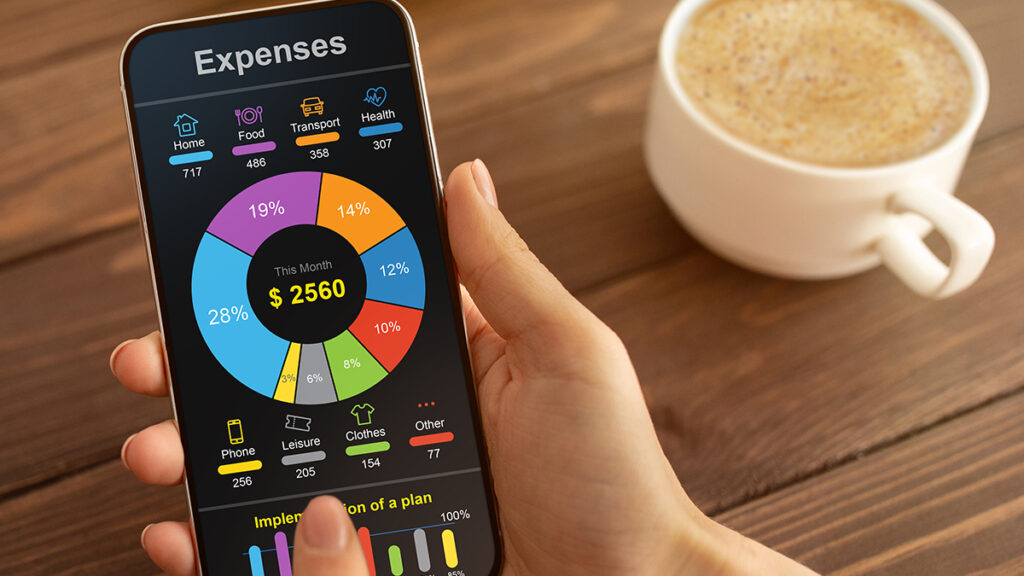
It’s impossible to save what you don’t track. The first step to saving on everyday expenses is becoming aware of where your money goes. Whether you prefer pen-and-paper budgeting, Excel spreadsheets, or using apps like YNAB or Mint, tracking daily expenses brings clarity. In fact, according to a 2025 Academy Bank survey, over 53% of respondents still believe manual expense tracking is the most effective way to curb overspending.
Once you see patterns—like frequent takeout or forgotten subscriptions—you can start making conscious decisions rather than reacting to your bank balance at month’s end.
Building a Flexible Budget That Reduces Stress
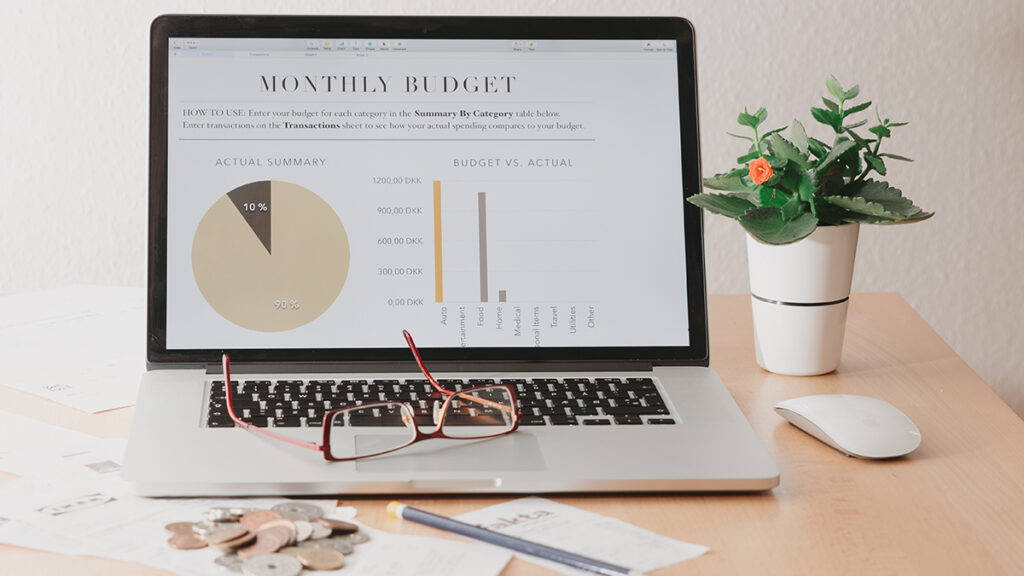
A well-designed budget doesn’t restrict you—it empowers you. Applying frameworks like the 50/30/20 rule (needs/wants/savings) or the simpler 80/20 method gives structure without being rigid. The most important thing is to ensure the budget fits your lifestyle. Experts stress that being flexible—and willing to adjust your plan as circumstances change—is more effective than striving for a “perfect” budget you can’t stick to.
Pay Yourself First: Automating Small Savings Habits
Automate Tiny Transfers Before Spending
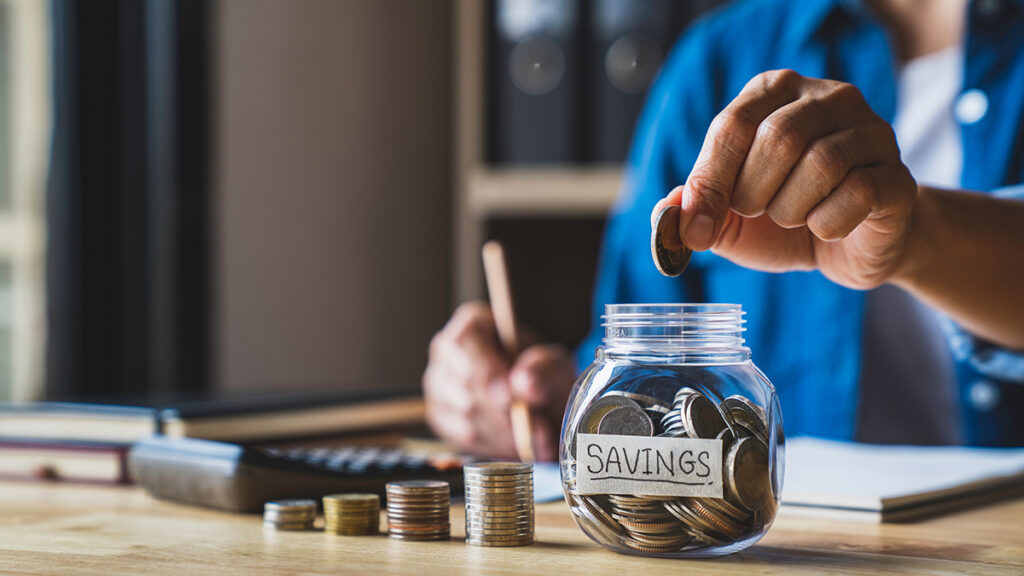
One of the most powerful money-saving tactics is to “pay yourself first.” That means moving a set amount into savings before you touch it. Even just ₹100 or $25 a week adds up. Automating this process ensures consistency and reduces the temptation to spend money you intend to save. High-yield savings accounts or short-term certificates of deposit (CDs) offer better returns than standard accounts and are slightly less accessible—helping you stay disciplined.
Micro-Savings Through Round-Ups and Challenges
Apps like Chime, Digit, or Qapital round up your purchases and save the spare change. Over time, those tiny deposits become noticeable amounts. Popular 2025 savings trends include the “last-digit challenge” (saving the last digit of every purchase), the 100-envelope challenge, and the classic 52-week savings plan. These create structured, gamified approaches to saving that make it feel fun, not forced.
Saving on Daily Purchases: Being Strategic, Not Sentimental
Cutting Grocery and Meal Costs Without Sacrificing Nutrients
Food is one of the largest recurring costs for most households—and one of the easiest to optimize. A recent U.S. family case study revealed they slashed nearly $300 off their grocery bill by using meal planning, minimizing impulse purchases, shopping with delivery services to avoid distractions, and choosing store-brand alternatives. Involving kids in trade-off decisions helped normalize smarter spending at home.
Meal prepping, shopping in bulk, reducing food waste, and using freezer-friendly storage all help keep your food budget in check without compromising on nutrition or taste.
Rewards Programs and Cashback Tactics
Loyalty programs and cashback platforms turn your routine purchases into opportunities for savings. Whether it’s grocery store apps, gas station punch cards, or cashback browser extensions, these programs reward your existing spending habits. Product testing platforms like Swagbucks or Influenster offer complimentary items that reduce household costs—especially for beauty, food, or baby items. These tools aren’t gimmicks—they’re passive savings opportunities.
Cooling-Off Rules to Avoid Impulse Spending
Impulse buying is one of the biggest leaks in any budget. Practicing the “24-hour rule”—waiting a full day before purchasing any non-essential item—builds in reflection time. Similarly, the “Treat Yourself Tax” concept involves putting an equal amount into savings every time you indulge in a splurge. These tactics reframe emotional spending as an opportunity to build your future self’s security.
Subscription and Recurring Cost Cleanup
Audit and Cancel Unused Subscriptions
It’s easy to forget about that second streaming service or that long-unused workout app. Subscription creep is real, and it’s expensive. On average, U.S. households lose about $91 per month on forgotten or unused subscriptions. Doing a quarterly audit of your bank and credit card statements can reveal surprising redundancies—and canceling them could save over $1,000 annually.
Negotiate Better Rates for Essential Bills
Long-term customers often qualify for better rates—they just need to ask. Call your internet provider, phone company, or insurance provider and ask if there’s a discount or plan adjustment available. Many companies offer student, military, or loyalty discounts—but don’t advertise them. In 2025, as tariffs and service fees rise, negotiating essential bills has become a vital financial move.
Energy, Transportation, and Lifestyle: Sustainable Ways to Save
Reduce Utility Bills with Simple Adjustments
Energy-saving habits don’t require big investments. Turning off lights, unplugging devices, using ceiling fans instead of AC, washing clothes in cold water, and setting thermostats a few degrees lower can significantly reduce monthly bills. Window insulation and LED lighting offer high returns with little effort. These lifestyle tweaks are low-cost, high-impact solutions that make a difference over time.
Eco-Savvy Transportation Choices
If you live in a city or have access to public transportation, leaving the car at home more often saves both gas and wear-and-tear. Carpooling, biking, and even ride-sharing platforms are more economical than daily solo commutes. With fuel prices rising in 2025, even modest reductions in driving mileage can add up fast.
Buy Smart: Use Lists, Wait for Sales, and Avoid Habit Shopping
Planning your purchases with a shopping list helps prevent impulse buying. If it’s not on the list, it doesn’t make it into the cart. Waiting for seasonal sales or clearance events for big purchases—especially for clothing, electronics, and appliances—lets you save significantly with minimal effort. Avoiding habit-based shopping (like retail therapy) also reinforces long-term discipline.
Behavioral Habits: Keeping Yourself Accountable
Join Communities or Accountability Systems
Whether it’s texting a friend when you hit a savings milestone or joining an online budgeting group, having a sense of community strengthens your resolve. People are more likely to stick to financial goals when they feel supported. Financial influencers, YouTube channels, and subreddit communities dedicated to frugal living can offer creative tips and moral support when discipline wanes.
Regular Financial Tune-Ups to Stay on Track
Every few months, check in with your finances. If you’re drifting off budget, racking up credit card balances, or skipping savings goals, it’s time for a reset. Financial “tune-ups” might involve revising your budget, re-establishing goals, or finding new ways to save. Think of it as preventive maintenance—because catching problems early avoids bigger ones later.
Behavior Over Complexity: Small Changes Yield Big Results
Wealthy individuals often have one thing in common: they master the basics. They budget consistently, avoid unnecessary debt, and save with purpose. You don’t need a complicated financial system—just consistent habits practiced daily.
Long-Term Impact: Building Financial Flexibility and Security
Emergency Funds and Reduced Stress
Every dollar saved from your daily spending contributes to something greater. Over time, these savings can be channeled into your emergency fund, giving you a buffer against life’s curveballs. Having 6 to 12 months of expenses saved up doesn’t just improve your finances—it supports your mental health by reducing anxiety around unexpected events.
Redirecting Savings Toward Bigger Financial Goals
The extra ₹500 or $50 you save each month by cutting down on takeout or trimming a utility bill can go toward meaningful goals—like paying down credit card debt, contributing to a retirement fund, or investing in a side hustle. Over time, the compounding power of small contributions becomes profound.
Financial Wellness Accelerates Behavior Change
As you save more and spend with intention, your confidence grows. You start to feel in control, even when the economy feels uncertain. Studies in 2025 confirm that people who regularly save—even in small amounts—report greater satisfaction and lower financial stress.
Conclusion: Everyday Savings Habits Compound into Big Wins
Saving on daily expenses isn’t about denying yourself joy—it’s about choosing where your money goes with clarity and purpose. Small, smart shifts—like tracking spending, using cash-back tools, automating savings, and reducing impulsive purchases—can transform your financial landscape over time.
These aren’t flashy solutions. They’re better. They’re sustainable. Whether you’re trying to pay off debt, build an emergency cushion, or start investing, everyday savings are the quiet engine driving you forward. With consistency, the savings you create today can fund the freedom you want tomorrow.