Lesson plans for remote teaching

Introduction
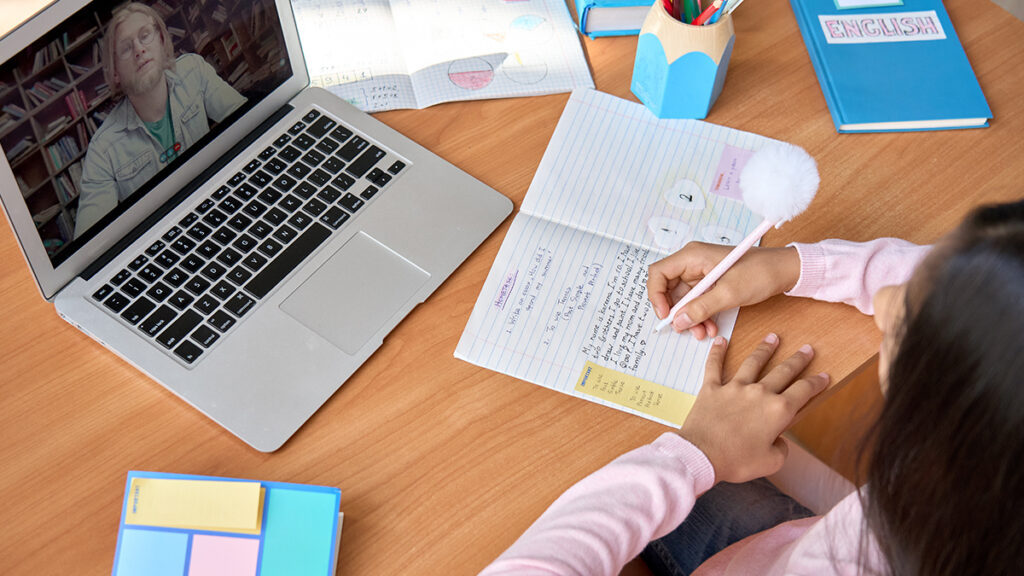
The rapid rise of remote teaching has redefined the way educators think about lesson design, delivery, and evaluation. What was once a niche or supplementary mode of instruction has now become central to education in the digital-first era. Events such as the COVID-19 pandemic accelerated this transition, but the continued demand for flexibility, personalized learning, and access to global education has ensured that remote teaching is here to stay.
At the heart of this shift lies one of the oldest yet most important practices in education—lesson planning. Teachers have always relied on structured lesson plans to ensure clarity of objectives, logical flow, and alignment with curriculum standards. However, traditional classroom plans do not always translate seamlessly into online environments. Remote teaching requires rethinking how lessons are structured, how engagement is fostered across screens, and how to account for differences in digital access among students.
In this article, we explore how teachers can design effective and impactful lesson plans for remote teaching. We examine the evolution of lesson planning in online settings, outline essential components of a digital lesson, highlight effective strategies and tools, and address the unique challenges teachers face. Finally, we consider how remote lesson planning is likely to evolve in the future, particularly in hybrid education models.
The Evolution of Lesson Planning in Remote Teaching
From Classroom-Centric to Digital-First Approaches
Traditional lesson plans were built around classroom dynamics. Teachers relied on body language cues, face-to-face discussions, group activities, and tangible resources like whiteboards and lab experiments. In contrast, remote teaching eliminates physical presence, replacing it with video calls, online discussions, and digital resources.
This transition has forced teachers to imagine lessons in entirely new ways. Without immediate visual feedback, teachers must carefully plan not just content but also how to maintain student engagement, build interaction, and measure comprehension in real time.
The New Dimensions of Remote Lesson Planning
Remote lesson planning introduces new dimensions absent from physical classrooms. These include:
- Time flexibility, allowing for synchronous (live) and asynchronous (recorded or self-paced) learning.
- Multimedia-driven delivery, where videos, simulations, and interactive presentations complement traditional explanations.
- Technology integration, requiring deliberate use of platforms like LMS, video conferencing tools, and collaborative apps.
- Equity considerations, where lesson plans must account for students with limited internet, devices, or digital skills.
This new reality makes lesson planning a more complex but creative task, requiring teachers to blend pedagogy with technology.
Key Components of Remote Teaching Lesson Plans
Clear Learning Objectives
Like traditional lessons, remote plans begin with objectives. However, online learning objectives often expand beyond subject knowledge to include digital literacy, self-management, and collaborative participation. For instance, a history lesson might aim not only to teach key events but also to train students in navigating digital archives responsibly.
Sequencing Content for Digital Delivery
Students experience screen fatigue faster than classroom fatigue. Lesson content must therefore be divided into shorter, manageable modules or “learning chunks.” A 40-minute topic might be broken into three parts: a 10-minute video, a 15-minute live discussion, and a short quiz. This sequencing ensures retention without overwhelming learners.
Integration of Technology Tools
Effective plans deliberately map technology to activities. For example:
- Quizzes through Google Forms or Kahoot.
- Group discussions using Zoom breakout rooms.
- Collaborative note-taking on Google Docs or Jamboard.
By aligning tools with activities in advance, teachers ensure smoother lesson execution.
Active Student Participation
Remote lessons cannot succeed if they remain one-directional. Teachers must design tasks that require student interaction—polls, group projects, digital reflections, or peer reviews. Participation keeps students attentive and transforms passive viewing into active learning.
Structuring Lesson Plans for Remote Teaching
Opening the Lesson
The opening sets the tone. Teachers might begin with a poll, an icebreaker, or a quick recap to refresh prior knowledge. This not only builds rapport but also shifts students from passive listeners into active participants right from the start.
Core Instruction
This stage delivers new material, but in modules that combine explanation, visuals, and interactivity. For instance, a math teacher could introduce a formula through a brief slideshow, demonstrate its application via a screen-share, and then assign students a problem to solve in breakout rooms. Each segment is timed and sequenced to ensure focus.
Practice and Application
Practice reinforces learning. Instead of physical worksheets, students may complete online exercises, digital simulations, or gamified quizzes. Group projects can be run asynchronously using platforms like Padlet, Trello, or Slack, allowing students to collaborate at different times while working toward shared outcomes.
Assessment and Feedback
Assessment is integral to lesson planning. Teachers can embed mini-quizzes after modules, reflective journals, or exit tickets at the end of class. Feedback may be delivered via annotated documents, audio notes, or short video messages—methods that humanize the online experience.
Closing the Lesson
A strong conclusion ties everything together. Teachers summarize key points, link them to the broader curriculum, and give clear instructions for homework or follow-up. Ending with a reflection prompt or student-led recap can reinforce retention and promote accountability.
Digital Tools for Lesson Planning and Delivery
Learning Management Systems (LMS)
Platforms like Google Classroom, Moodle, and Canvas allow teachers to organize lessons, assignments, and discussions in one place. Lesson plans should align with these platforms’ features, ensuring consistency and accessibility.
Video Conferencing Platforms
Zoom, Microsoft Teams, and Google Meet form the backbone of synchronous teaching. Plans should specify how teachers will use features such as screen-sharing, breakout rooms, and live polls to make sessions interactive.
Collaborative Apps
Apps like Jamboard, Miro, and Notion are excellent for group brainstorming and digital projects. Their visual and interactive formats make them well-suited for subjects requiring creativity and problem-solving.
Multimedia Resources
Videos, podcasts, interactive simulations, and digital labs bring lessons alive. For example, science lessons can incorporate PhET simulations, while language classes may include storytelling podcasts. These tools should be used purposefully, complementing—not overwhelming—the lesson flow.
Addressing Challenges in Remote Lesson Planning
Ensuring Equity and Accessibility
Digital inequality remains one of the biggest barriers. Effective lesson plans must include offline alternatives such as downloadable PDFs, recorded lectures, or SMS-based instructions for students with poor connectivity.
Maintaining Engagement
Distractions at home are inevitable. Plans must incorporate regular check-ins, varied activities, and interactive storytelling to hold attention. Gamification, where students earn points or badges, is an increasingly popular way to sustain motivation.
Managing Time Effectively
Online sessions cannot mirror traditional classroom length. Teachers must adjust pacing: a 40-minute physical lesson may work better as a 25-minute online session with follow-up tasks. Breaking content into bite-sized lessons prevents overload.
Teacher Workload and Burnout
Creating detailed remote plans is time-intensive. Teachers should reuse and adapt content across courses and collaborate with colleagues to share resources. Schools can also reduce burden by encouraging department-wide planning templates.
Best Practices for Remote Lesson Planning
Balance Between Synchronous and Asynchronous Learning
The most effective plans blend live sessions (for discussions, Q&A, or collaborative tasks) with asynchronous work (pre-recorded lectures, independent assignments). This balance respects varied student schedules and learning styles.
Encouraging Student Autonomy
Remote learning works best when students take ownership. Teachers should design projects, inquiry-based assignments, or independent research tasks that encourage curiosity beyond the screen.
Incorporating Reflection and Feedback Loops
Plans should integrate reflection exercises—journals, discussion boards, or short exit tickets. These not only reinforce learning but also give teachers real-time insight into student comprehension.
The Future of Lesson Planning in Remote Education
Remote lesson planning is evolving rapidly, shaped by new technologies and hybrid education models.
- Artificial Intelligence: AI tools will soon help teachers design customized lesson plans, track student progress, and recommend targeted interventions.
- Hybrid Models: As many institutions shift toward hybrid learning, lesson plans must adapt to seamlessly transition between in-person and online contexts.
- Policy Support: In regions like Delhi NCR, where air pollution and public health concerns drive hybrid mandates, lesson plans tailored for such scenarios will become essential.
Ultimately, the future lies in student-centered, tech-enabled, and flexible lesson plans that meet learners where they are while maintaining academic rigor.
Conclusion
Designing effective lesson plans for remote teaching goes far beyond moving classroom routines online. It requires rethinking pedagogy through the lens of technology, balancing academic standards with flexibility, and crafting experiences that keep learners connected and motivated.
The most successful lesson plans combine clear objectives, engaging delivery, interactive practice, and continuous feedback while accommodating diverse learner needs. They embrace digital tools not as gimmicks but as powerful allies in fostering meaningful learning.
Remote education has opened the door to more inclusive, accessible, and personalized teaching. But it also challenges educators to reimagine every aspect of their craft. At the center of this transformation lies lesson planning—the bridge between curriculum goals and student success.
As hybrid and remote education continue to expand globally, lesson planning will remain the cornerstone of effective teaching, ensuring that technology enhances—not replaces—the human connection at the heart of learning.