Hybrid education models explained


Introduction
Education has never been static. It has always evolved in response to societal needs, technological progress, and shifts in how people learn best. From the invention of the printing press, which democratized access to books, to the rise of the internet, which connected classrooms globally, each technological leap has left its imprint on the way knowledge is shared.
In the last decade, one concept has redefined the conversation around modern education more than almost any other: hybrid education models. Sometimes called blended learning, hybrid education deliberately combines the strengths of traditional face-to-face instruction with the possibilities of digital or online teaching. The goal is not to replace one method with the other, but to create an adaptable and student-centered learning experience that leverages the best of both worlds.
The COVID-19 pandemic accelerated the adoption of hybrid education dramatically. When classrooms closed, schools and universities worldwide had no choice but to experiment with digital learning on an unprecedented scale. While many institutions eventually returned to in-person instruction, hybrid models proved too valuable to abandon. They continue to offer flexibility, inclusivity, and personalization in ways that purely traditional or purely online models cannot.
For educators, learners, and policymakers, understanding hybrid education has moved from being an interesting experiment to being a necessity. This article unpacks hybrid education in detail: its definition, evolution, benefits, challenges, real-world applications, and future trajectory.
Understanding Hybrid Education
Defining Hybrid Learning
Hybrid education is best understood as the intentional integration of in-person and online learning. It is not just about recording lectures and posting them online, nor is it about replacing teachers with technology. Instead, it is about designing experiences where the two modes complement each other.
For example, a science teacher might introduce a new concept in the classroom, assign students an interactive online simulation to explore the principle at home, and then use the next in-person session for a hands-on lab experiment and group discussion. This cycle maximizes classroom time for collaboration while giving students flexibility outside of class to review material at their own pace.
The strength of hybrid education lies in its adaptability. Students can engage asynchronously with content, revisit lectures multiple times, or use online forums to ask questions. At the same time, teachers can leverage analytics from digital platforms to monitor progress, identify knowledge gaps, and personalize instruction.
Evolution from Traditional and Online Models
Hybrid education emerged in response to the shortcomings of both traditional and fully online models.
- Traditional classrooms excel in human interaction, mentorship, and community building. But they lack flexibility, particularly for students balancing work, health challenges, or other responsibilities.
- Fully online learning offers convenience and accessibility, but many students find it isolating and struggle with self-discipline.
Hybrid models bring the best elements together: the accountability and social richness of classrooms combined with the accessibility and personalization of digital tools.
Core Components of Hybrid Education Models
In-Person Learning
Face-to-face interaction remains central to hybrid education. Classrooms provide real-time dialogue, spontaneous collaboration, and immediate feedback from instructors. They also create structure—something many learners rely on for motivation. Classroom sessions are often used for activities that benefit most from physical presence, such as group projects, discussions, or labs.
Online Learning
The online component expands education beyond physical boundaries. Through digital platforms, students access recorded lectures, complete assignments, and participate in interactive modules. Online tools may include discussion forums, multimedia resources, adaptive quizzes, and AI-driven feedback systems. This not only increases flexibility but also supports individualized learning pathways.
Technology Infrastructure
Behind every hybrid model is a robust technological framework. Learning management systems (LMS) such as Blackboard, Canvas, or Google Classroom serve as the digital backbone. Hardware like laptops, tablets, and reliable internet connections are essential, while tools like Zoom or Microsoft Teams facilitate live interaction when needed.
Assessment and Feedback
Hybrid learning thrives on continuous assessment. Instead of relying solely on midterms or final exams, students are evaluated through online quizzes, digital portfolios, peer reviews, and classroom participation. These frequent check-ins create a feedback loop that helps both teachers and students track progress in real time.
Benefits of Hybrid Education Models
Flexibility and Accessibility
Flexibility is perhaps the greatest advantage of hybrid learning. Students can study when and where it suits them, whether rewatching lectures late at night or reviewing materials during commutes. For learners with jobs, caregiving responsibilities, or health concerns, hybrid education ensures access without requiring them to sacrifice other commitments.
Personalized Learning Pathways
Hybrid education often incorporates adaptive technologies that adjust based on student performance. A learner struggling with algebra might be assigned extra practice exercises online, while another excelling in the subject can move ahead to advanced material. This personalization ensures that students are not forced into a “one-size-fits-all” structure but instead progress according to their abilities and needs.
Enhanced Engagement
When designed well, hybrid education can actually increase engagement. Classroom time is freed from long lectures and instead used for active learning: discussions, debates, or problem-solving activities. Online spaces, meanwhile, provide opportunities for quieter students to contribute through forums, polls, or creative digital projects.
Real-World Preparedness
Hybrid models mirror the realities of modern work environments, where digital collaboration and in-person teamwork coexist. Students graduate with practical skills in digital literacy, self-directed learning, and time management—skills that employers consistently identify as crucial in the 21st-century workforce.
Challenges of Hybrid Education
The Digital Divide
Despite its promise, hybrid education can widen inequalities if the digital divide is not addressed. Not all students have access to high-speed internet, modern devices, or quiet learning spaces. Without targeted interventions, the students most in need of flexible learning may be left behind.
Maintaining Online Engagement
Online learning can still feel isolating, particularly for students who struggle with self-motivation. Teachers must design online components that are interactive and engaging, not just passive videos or readings. Without thoughtful design, students may disengage and fail to complete assignments.
Teacher Training and Workload
Teaching in a hybrid model is not simply about splitting lessons between classroom and computer. It requires rethinking pedagogy, mastering new tools, and balancing two environments simultaneously. For many teachers, this has meant longer preparation times and steeper learning curves. Without adequate training and support, hybrid teaching risks overwhelming educators.
Assessment Integrity
Ensuring fairness and integrity in online assessments remains a challenge. While digital platforms make testing easier, they also raise concerns about plagiarism and cheating. Authentic assessments—such as project-based tasks, presentations, and reflective journals—are increasingly being used to address these issues.
Hybrid Education Models in Practice
K–12 Schools
In primary and secondary education, hybrid models often complement classroom teaching. One popular approach is the flipped classroom, where students watch video lectures at home and use class time for discussions, group projects, or teacher-led problem solving. This model emphasizes application over rote memorization and encourages students to come to class prepared.
Higher Education
Universities have embraced hybrid education at scale. Many degree programs now blend campus seminars with online modules, creating flexibility for working adults and international students. Prestigious institutions like MIT and Harvard have pioneered hybrid approaches through initiatives like edX, where learners engage in a mix of online courses and in-person residencies.
Corporate Training and Professional Development
In the corporate world, hybrid learning has revolutionized training. Companies deliver foundational knowledge through online modules—scalable and cost-effective—while reserving in-person sessions for workshops, simulations, or team-building activities. This approach saves money while ensuring employees can apply their knowledge in practical contexts.
The Future of Hybrid Education
Integration of Artificial Intelligence
Artificial intelligence is poised to transform hybrid education further. AI-powered tutoring systems can provide real-time, personalized feedback, identify areas where students are struggling, and even recommend tailored learning materials. AI also has potential to automate administrative tasks, freeing educators to focus on mentorship and interaction.
Immersive Technologies
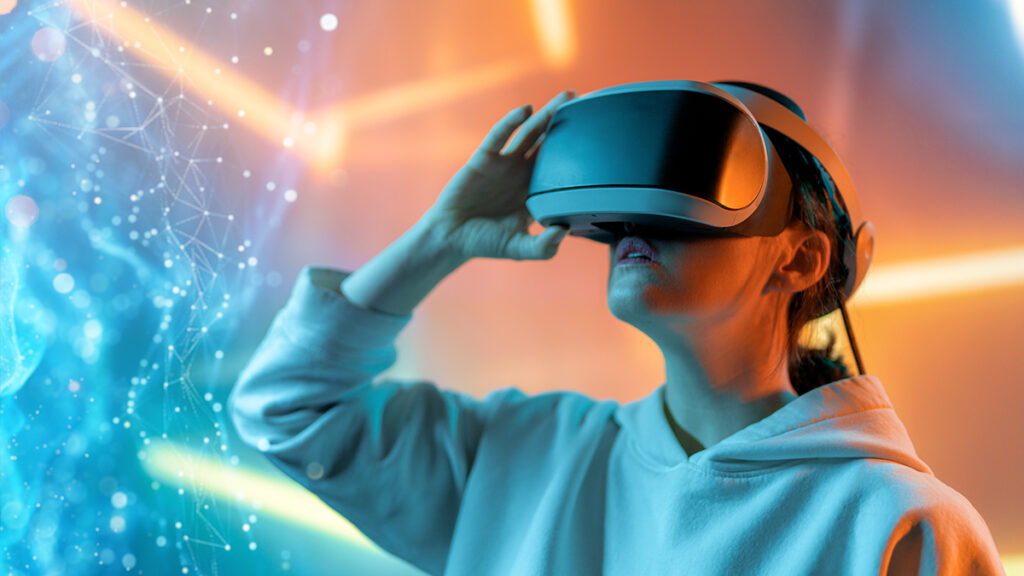
Virtual reality (VR) and augmented reality (AR) will add a new dimension to hybrid models. Imagine medical students practicing surgical procedures in VR labs or history students exploring ancient civilizations through AR field trips. These immersive technologies will make hybrid education more experiential and memorable.
Lifelong Learning Ecosystems
Hybrid education will not remain confined to schools and universities. As industries continue to evolve, professionals will turn to hybrid platforms for lifelong learning. Modular, stackable credentials—short courses that build toward larger qualifications—will become standard, allowing individuals to upskill continuously throughout their careers.
Global Collaboration
Hybrid education is uniquely suited to global learning. Already, virtual classrooms allow students from different countries to collaborate on joint projects. In the future, hybrid models may create truly international classrooms where diverse perspectives enrich learning and prepare students for global citizenship.
Conclusion
Hybrid education models represent the convergence of tradition and innovation in the pursuit of better learning. By blending the interpersonal richness of classroom instruction with the flexibility and personalization of digital platforms, hybrid education offers a more inclusive, adaptable, and future-ready approach.
The benefits are significant: flexibility, accessibility, personalization, and preparation for a digitally driven workforce. But challenges remain, including the digital divide, sustaining online engagement, and supporting teachers in mastering new pedagogies. These hurdles must be addressed thoughtfully for hybrid education to reach its full potential.
Looking ahead, hybrid education is unlikely to fade. Instead, it will expand, shaped by advances in AI, immersive technologies, and the growing demand for lifelong learning. It is not merely a stopgap measure born of a global pandemic but a transformative model that reflects the realities of a connected world.
By embracing hybrid education today, educators and policymakers ensure that learners are prepared not only for academic success but also for thriving in the complex, digitally integrated societies and workplaces of tomorrow.