How to Teach Kids Responsibility

Introduction
One of the greatest gifts parents can give their children is the ability to be responsible. Responsibility goes far deeper than completing chores or remembering to turn in homework—it is about cultivating accountability, self-discipline, and an understanding of how one’s actions affect others. When children grow up learning responsibility, they are better prepared for independence, for building healthy relationships, and for succeeding in the many challenges that life will bring.
Yet teaching responsibility often feels like an uphill climb. Children may resist tasks, forget commitments, or shy away from owning up to mistakes. These struggles are not signs of failure on the parent’s part; rather, they are a normal part of childhood. Responsibility is not a trait that magically appears—it is nurtured gradually through guidance, consistent practice, and positive reinforcement.
This article explores why responsibility is such an essential life skill, how parents can model it effectively, and practical strategies for teaching it at every stage of development. By approaching responsibility as a process rather than a destination, parents can help their children grow into confident, dependable, and resilient individuals.
Why Responsibility Matters
Building Independence
At its heart, responsibility helps children develop independence. Each time a child learns to manage a task—whether brushing their teeth, completing homework, or taking care of personal belongings—they are laying the foundation for self-reliance. Children who build these skills early grow into young adults capable of handling the complexities of school, work, and eventually adult responsibilities such as managing money, careers, and households.
When independence is fostered gradually, children learn that they are capable of managing not only their own needs but also their contributions to the family and community. This sense of capability strengthens confidence, reduces reliance on constant supervision, and empowers children to face challenges with courage.
Strengthening Character
Responsibility is also a cornerstone of character. Children who take responsibility learn the value of honesty, integrity, and accountability. They understand that actions have consequences—sometimes rewarding, sometimes difficult—and that taking ownership of those actions is part of being trustworthy.
Character is not formed through lectures but through repeated practice. Each time a child owns up to a mistake, completes a task without being reminded, or shows reliability, they are shaping values that will guide them in friendships, careers, and relationships later in life. Responsibility becomes more than a chore—it becomes a moral compass.
Preparing for the Future
Beyond daily life, responsibility prepares children for long-term success. A child who learns to meet deadlines, balance priorities, and persevere through setbacks becomes an adult better equipped to handle the pressures of higher education, work, and family life.
Responsibility instills resilience. It teaches children that while they may not control every situation, they can control their effort and their response. These lessons set the stage for thriving in adulthood, where responsibility underpins everything from professional achievements to fulfilling personal relationships.
Modeling Responsibility as Parents
Leading by Example
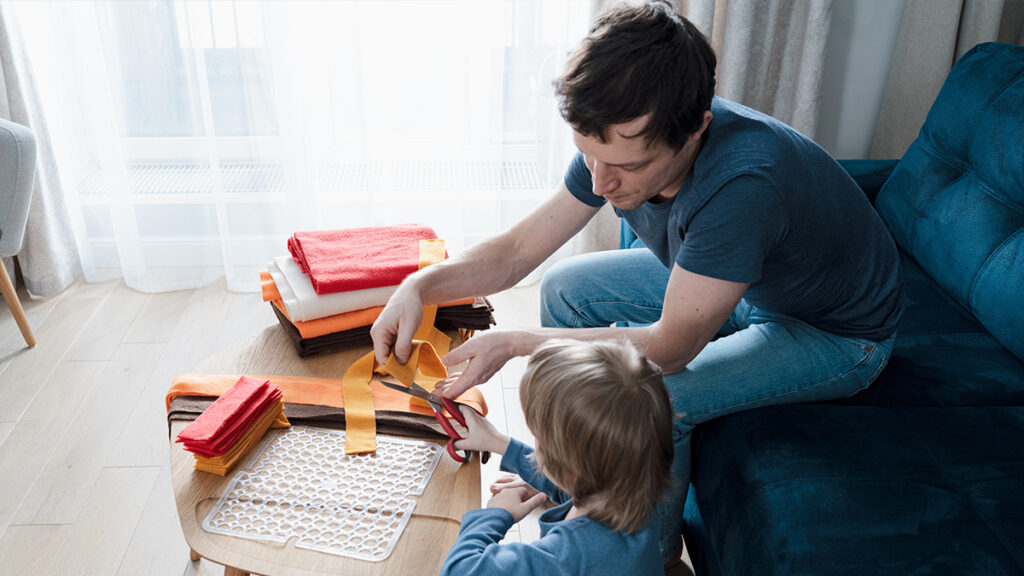
Children learn less from what parents say and more from what parents do. When parents consistently model responsibility—paying bills on time, following through on promises, taking care of household duties—they show children what accountability looks like in action.
A parent who says, “We take care of our home by cleaning up after ourselves,” and then demonstrates it by tidying up dishes or organizing clutter, sends a stronger message than repeated reminders ever could. Children absorb responsibility by watching it lived out daily.
Demonstrating Accountability
No one is perfect, and mistakes are inevitable. Parents who acknowledge their mistakes—apologizing when they are wrong, making amends, and showing how to recover—teach their children that responsibility includes accountability. Owning up is not about shame but about integrity.
When a child sees a parent say, “I forgot to pick up the groceries, and I’ll fix it by going tomorrow morning,” they understand that mistakes can be corrected without blame or avoidance. This openness encourages children to do the same when facing their own challenges.
Balancing Authority and Empathy
Responsibility thrives in an environment where expectations are clear but compassion is present. Parents who enforce rules with empathy create trust. Children learn that while responsibilities must be met, they are also supported when they struggle.
For example, when a child forgets homework, an empathetic response might be, “I know you’re disappointed you forgot it. What can you do differently tomorrow to remember?” This balance between authority and understanding ensures children learn responsibility without fear, while also knowing they can turn to their parents for support.
Encouraging Responsibility Through Everyday Life
Age-Appropriate Tasks
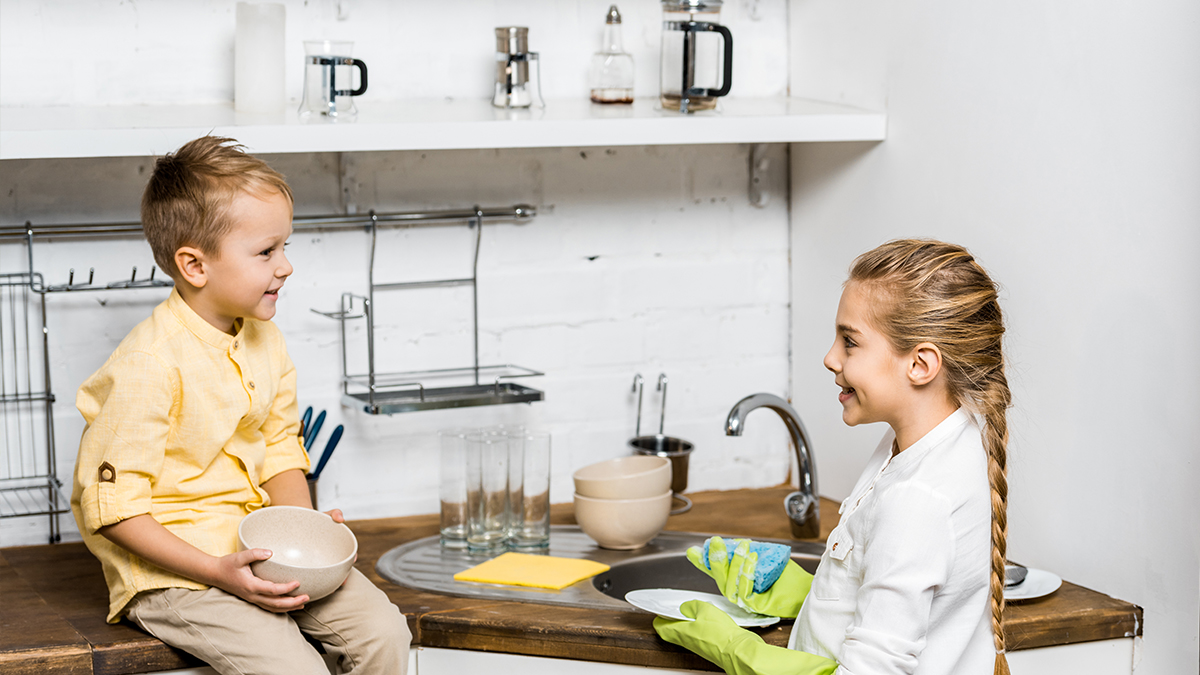
Responsibility grows best when it matches a child’s developmental stage. A toddler may begin by putting toys in a basket, while a school-aged child may set the table or care for a pet. As children grow, responsibilities can expand to include managing homework, helping with laundry, or babysitting siblings for short periods.
These tasks build a sense of competence. When children see that their efforts matter—that the table is ready because they set it, or the dog is cared for because they fed it—they feel empowered. Age-appropriate tasks allow children to experience responsibility without becoming overwhelmed.
Creating Consistent Routines
Routines give responsibility structure. When children know what is expected—homework after school, chores on Saturday morning, brushing teeth before bed—they internalize habits that become second nature. Predictability reduces arguments, minimizes reminders, and teaches children to follow through without being prompted.
Consistency also creates stability. Children feel more secure when routines are in place, and this stability makes it easier for them to focus on completing responsibilities rather than negotiating or resisting.
Teaching Ownership of Belongings
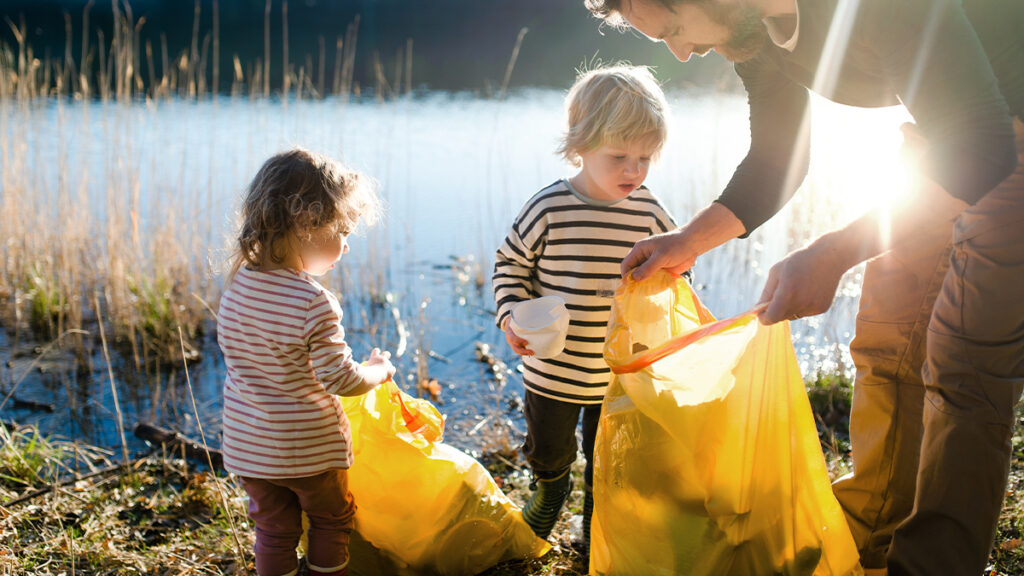
Teaching responsibility also involves instilling care for personal belongings. Encouraging children to put away toys, organize school supplies, or keep track of jackets and backpacks shows them the value of ownership. Over time, this respect extends beyond personal items to shared spaces and community property.
When children learn that their belongings matter, they begin to recognize that other people’s belongings matter too—a lesson that builds both responsibility and empathy.
Fostering Accountability in School and Learning
Encouraging Time Management
School provides daily opportunities for practicing responsibility. Parents can support children by teaching time management skills: breaking down assignments, setting deadlines, and creating schedules. Over time, children learn that keeping up with work is their responsibility, not something their parents will constantly manage.
Helping children create checklists or use planners gives them tools to stay organized, while gradually transferring ownership teaches accountability.
Valuing Effort Over Perfection
Academic success should not rest solely on grades. Parents who emphasize effort and persistence over perfection help children see that responsibility is about trying their best, not about always being flawless. Mistakes then become part of the learning process rather than reasons for shame.
This mindset fosters resilience. Children who value effort are more willing to take risks, try new things, and persevere—hallmarks of responsible learners.
Partnering with Teachers
Parents and teachers together can reinforce responsibility. Staying in communication with educators, checking on progress, and encouraging children to advocate for themselves builds accountability. When children see that responsibility is supported both at home and school, they begin to view it as a consistent expectation in all areas of life.
Teaching Responsibility Through Consequences
Natural Consequences
Children often learn best through the natural outcomes of their actions. If a child forgets homework, facing the teacher’s response becomes a valuable lesson. If they neglect to pack lunch, they feel hungry. Parents who allow natural consequences to unfold teach children that responsibility cannot be avoided.
Logical Consequences
At times, natural consequences are not enough. Logical consequences, directly tied to behavior, provide reinforcement. If toys are left scattered, they may be put away temporarily. If a child neglects to care for a pet, they may lose privileges until they demonstrate responsibility again. These connections help children understand that choices carry results.
Balancing Consequences with Support
Consequences work best when paired with guidance. Parents can discuss what happened, what could be done differently, and how to prevent it next time. This approach turns mistakes into teachable moments rather than punishments. Responsibility is then framed as growth, not fear.
Encouraging Self-Motivation and Problem-Solving
Allowing Choices
Responsibility grows stronger when children are given choices. Whether deciding which chores to complete first or how to organize homework, making choices teaches decision-making and accountability. Children learn that choices come with outcomes they must accept.
Supporting Problem-Solving Skills
Parents can encourage problem-solving by guiding children through challenges rather than immediately providing solutions. Asking, “What do you think would work?” or “How could you handle it differently next time?” fosters critical thinking and self-reliance. This process reinforces responsibility as a proactive skill, not a reactive one.
Building Confidence Through Success
Celebrating successes, no matter how small, motivates children to keep trying. Completing homework on time, remembering to pack a lunch, or keeping a room tidy are all opportunities to acknowledge growth. Recognition builds confidence and encourages children to take on bigger responsibilities over time.
Responsibility Across Developmental Stages
Toddlers and Preschoolers
For young children, responsibility begins with simple routines. Picking up toys, helping to feed pets, or assisting with small chores introduces them to the concept of contributing. At this age, praise and encouragement go a long way in making children feel proud of their efforts.
Elementary School Children
As children grow, they can handle more complex responsibilities. Homework, caring for belongings, and household tasks like setting the table or folding laundry give them ownership. Responsibility becomes tied to competence, and children at this stage benefit from consistent expectations and opportunities to succeed.
Teenagers
Teenagers face the greatest opportunities for responsibility. Managing schedules, balancing school and extracurricular activities, and even holding part-time jobs prepare them for adult life. Parents can support teens by setting clear expectations while also allowing independence. Conversations about budgeting, time management, and long-term planning prepare teens to carry responsibility confidently into adulthood.
Long-Term Benefits of Teaching Responsibility
Children who grow up practicing responsibility are more likely to thrive as adults. They develop skills in organization, accountability, and resilience. They also learn respect for others, honoring commitments, and maintaining healthy relationships.
Responsibility teaches children not to fear mistakes but to use them as stepping stones. This mindset builds resilience, equipping them to navigate setbacks and challenges with confidence. Over time, these skills shape success not only in academics or careers but in every aspect of life.
Conclusion
Teaching kids responsibility is a gradual journey filled with challenges, small victories, and lessons learned along the way. It requires patience, consistency, and a willingness to allow children to make mistakes and learn from them. By modeling responsibility, creating opportunities for accountability, and encouraging independence, parents equip their children with a skill set that lasts a lifetime.
Responsibility is not about perfection—it is about growth. Each step, whether putting away toys, managing homework, or balancing a teenager’s busy schedule, is a step toward independence and maturity. Responsible children grow into responsible adults—individuals who value accountability, empathy, and perseverance. With love and steady guidance, parents can nurture these qualities, giving their children the foundation they need to succeed in school, in relationships, and in life.