How to Encourage Good Manners in Kids

Introduction
Good manners are more than just polite words or courteous gestures—they are the foundation of respectful communication, empathy, and meaningful relationships. Teaching children manners goes far beyond reminding them to say “please” and “thank you.” It is about instilling values of kindness, thoughtfulness, and consideration for others—values that shape how children interact with the world throughout their lives.
In today’s fast-paced society, where impatience and rudeness can often overshadow courtesy, nurturing good manners in kids has never been more important. Children who grow up with strong social skills are better prepared to navigate school, friendships, and, eventually, the workplace. Manners give them the tools to express respect and to build trust, while also reinforcing their own sense of self-worth.
For parents, teaching manners can sometimes feel like an ongoing and repetitive process. It requires patience, consistency, and the understanding that children often learn more from what they see than from what they are told. With the right environment and gentle guidance, children not only adopt polite behavior but also come to understand the deeper values that make those behaviors meaningful. This article explores why manners matter, strategies for encouraging them effectively, and the long-term benefits of raising children who embody courtesy and respect.
Why Manners Matter
Building Positive Relationships
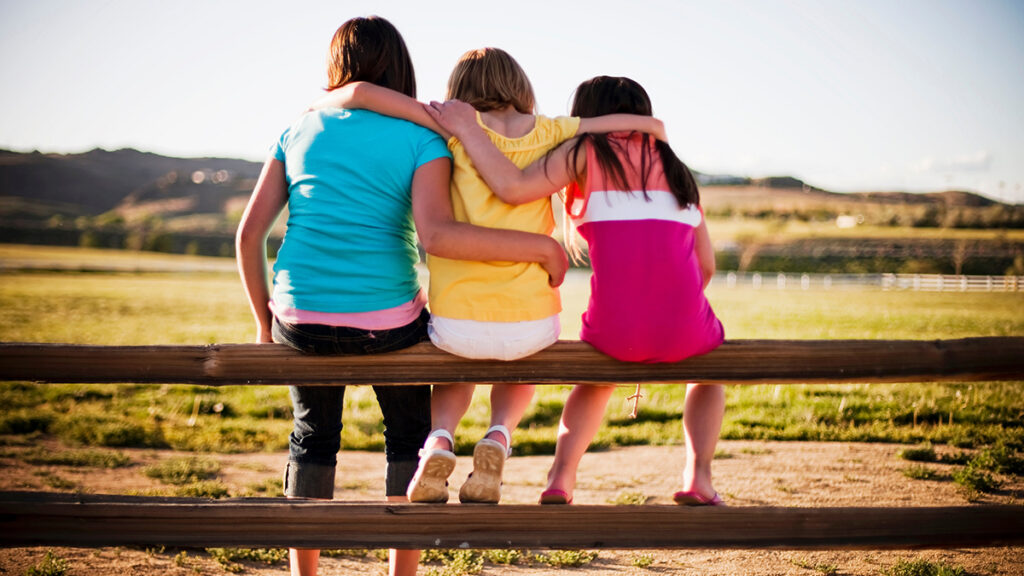
Manners act as bridges that connect children to others in positive and respectful ways. From saying hello to sharing toys, these small acts of courtesy create smoother interactions and stronger bonds. A child who learns to listen, wait their turn, and express gratitude is more likely to build lasting friendships, resolve conflicts peacefully, and earn the trust of adults and peers alike.
Teachers, coaches, and caregivers often notice when children display kindness and respect, which further reinforces their positive reputation. Over time, these qualities lay the groundwork for healthy, meaningful relationships that extend into adulthood.
Teaching Respect and Empathy
At their core, manners are about respect. Teaching a child to say “excuse me” when interrupting or to hold the door for someone is not simply about politeness—it is about helping them understand that their actions affect others. These lessons cultivate empathy, encouraging children to consider how people feel and to adjust their behavior accordingly.
When a child learns that offering a polite word or small gesture can brighten someone else’s day, they begin to see manners not as rules but as opportunities to show kindness and compassion.
Building Confidence and Self-Respect
Children who understand and practice good manners often feel more confident in social situations. They know what is expected of them, which reduces anxiety and allows them to interact with others more comfortably. Whether it is introducing themselves to a new teacher, joining a group activity, or speaking at a family gathering, good manners give children a sense of security.
This confidence also fosters self-respect. When children see that their courteous behavior earns smiles, appreciation, and positive responses, they begin to value themselves more and feel proud of their ability to interact thoughtfully with others.
Modeling Manners at Home
Parents as Role Models
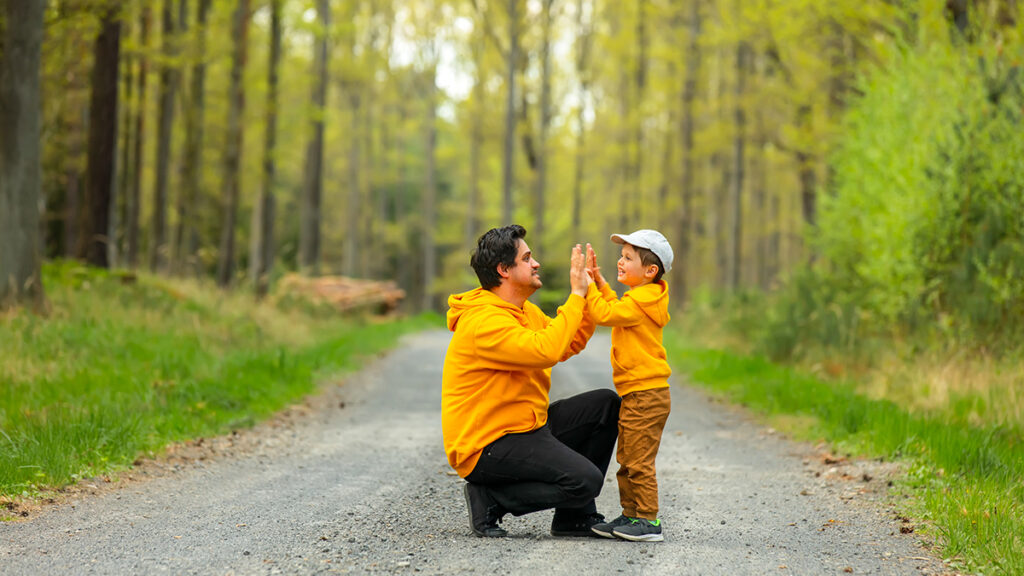
Children are keen observers, constantly watching and learning from the adults around them. Parents who consistently use polite language, show patience, and treat others respectfully provide living examples of how manners work in everyday life.
For instance, when children see a parent thank a cashier, apologize sincerely after a mistake, or show kindness to a neighbor, they absorb those behaviors as normal. In this way, modeling becomes far more powerful than instruction. What parents practice daily becomes the standard children strive to follow.
Respectful Communication Within the Family
It’s important to remember that good manners should not be reserved for public situations. When families prioritize respect at home—using “please” and “thank you,” listening without interruption, and treating each other with kindness—manners become ingrained.
A child who experiences respect at home naturally carries those habits into school, friendships, and the wider community. Home becomes the first training ground for empathy and courtesy, showing children that respect is not just for strangers but for those closest to us.
Everyday Opportunities for Teaching Manners
Politeness in Daily Routines
Everyday life is full of teachable moments. Mealtime, for instance, provides opportunities for children to practice asking politely, waiting their turn, and saying thank you. Greeting neighbors with a smile, speaking kindly to siblings, or thanking a parent for preparing a snack are small yet powerful lessons.
When parents emphasize these small acts consistently, children come to understand that manners are not reserved for special occasions—they are woven into daily life.
Social Interactions with Peers
Playdates, school activities, and group games create natural settings for children to practice sharing, cooperating, and taking turns. Parents can support by gently guiding children during these interactions, modeling polite phrases, or reminding them to think about others’ needs.
Over time, children begin to use these behaviors independently, realizing that courtesy strengthens friendships and makes play more enjoyable.
Public Spaces and Community Settings
Community outings are also valuable teaching moments. Whether visiting a restaurant, attending a library story time, or joining a community event, children can practice using polite voices, showing gratitude, and respecting shared spaces.
Preparing children beforehand by discussing expectations and reinforcing good behavior afterward helps them see that manners are important in every environment—not just at home or school.
Encouraging Courtesy Through Positive Reinforcement
Celebrating Polite Behavior
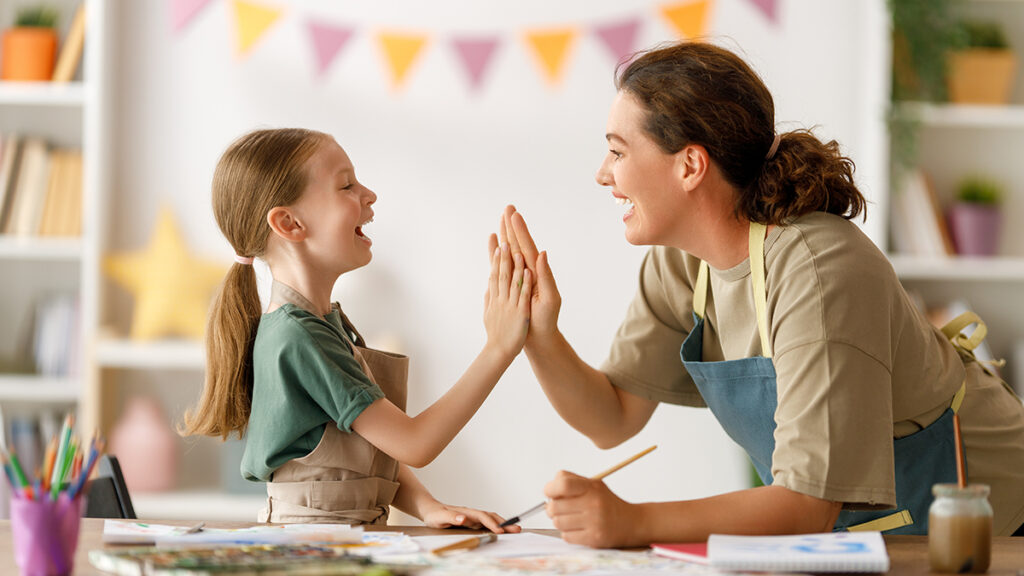
Acknowledging and celebrating good manners is one of the most effective ways to reinforce them. Praise does not need to be elaborate—simple recognition such as, “I liked how you said thank you so kindly,” helps children feel proud and encourages them to repeat the behavior.
Celebrating small successes, like sharing a toy or greeting a visitor politely, builds momentum. Over time, these positive experiences accumulate into consistent habits.
Making Manners Meaningful
Children are more likely to embrace manners when they understand the reasons behind them. Parents can explain that saying “thank you” helps people feel appreciated or that waiting their turn shows respect for others’ time.
When manners are framed as meaningful actions rather than mechanical rules, children adopt them sincerely. They begin to see that courtesy is not just about appearances but about genuinely valuing others.
Teaching Specific Social Skills
The Power of Polite Words
Words like “please,” “thank you,” and “excuse me” are the building blocks of manners. Encouraging children to use them consistently builds habits that become second nature. Parents can reinforce these words by using them often themselves, ensuring children see them as part of natural communication.
Respecting Boundaries
Manners extend beyond words to actions. Teaching children to knock before entering a room, respect personal space, and wait their turn fosters an understanding of boundaries. These lessons help children recognize that kindness involves respecting others’ autonomy and comfort.
Apologizing Sincerely
Everyone makes mistakes, but learning to apologize sincerely is a crucial part of manners. Parents can model this by offering genuine apologies themselves and encouraging children to do the same. Over time, children learn that apologies are not signs of weakness but expressions of accountability and respect.
Handling Challenges in Teaching Manners
Resistance and Testing Limits
It is normal for children to forget or resist practicing manners, especially when they are young. Parents can respond with patience, offering gentle reminders rather than harsh criticism. Repetition is key—children often need to hear expectations many times before they become habits.
Balancing Correction with Encouragement
While correction is necessary, it should always be balanced with encouragement. Shaming or scolding can make children resentful, while positive reinforcement builds cooperation. Parents who strike this balance make learning manners feel like an uplifting process rather than a punishment.
Adapting to Developmental Stages
Different ages bring different challenges. Toddlers may struggle with sharing toys, while school-aged children may forget to greet adults in their excitement. Parents who tailor expectations to developmental stages help children learn without pressure or unrealistic demands.
The Role of Schools and Communities
Reinforcing Manners in Education
Schools play a vital role in reinforcing manners. Teachers encourage respect, cooperation, and kindness within classrooms, complementing the lessons taught at home. When parents and educators collaborate, children receive consistent messages about courtesy and respect.
Community and Cultural Influence
Manners are also shaped by cultural and community traditions. Teaching children about cultural customs—such as greetings, table manners, or ways of showing respect—broadens their understanding of courtesy. Participating in community events provides additional opportunities to practice manners in diverse settings, helping children appreciate the value of respect in different contexts.
The Long-Term Benefits of Good Manners
Children who grow up with good manners carry these skills into every area of their lives. Politeness supports academic success, helps them form stronger friendships, and prepares them for professional environments where respect and empathy are highly valued.
Beyond personal success, manners also contribute to a more compassionate society. Adults who practice kindness and respect influence others, creating communities where courtesy is the norm. By teaching children manners, parents are not only preparing them for success but also shaping a future generation that values empathy and consideration.
Conclusion
Encouraging good manners in kids is about much more than teaching polite words—it is about nurturing respect, kindness, and empathy. Parents play a central role by modeling courtesy, reinforcing positive behavior, and providing daily opportunities to practice. Schools, communities, and cultural traditions add layers of support, creating a consistent foundation for children to learn from.
Manners take time to develop, and children may forget or resist along the way. But with patience, encouragement, and consistency, they eventually internalize these values until they become second nature. In doing so, they gain not only important social skills but also the empathy and confidence needed to thrive in the world.
Ultimately, teaching manners is as much about shaping character as it is about shaping behavior. When children learn to treat others with kindness and respect, they grow into adults who carry those values forward—creating a legacy of courtesy and compassion that benefits families, communities, and society as a whole.