How to Build a Holistic First Aid Kit

Introduction: Rethinking First Aid for Whole-Body Wellness
In today’s world, most first aid kits are designed to offer fast relief through synthetic medications. But there’s a growing interest in taking a more natural, whole-body approach to health. That’s where the idea of a holistic first aid kit comes in. Instead of just treating symptoms, these kits support the body’s natural healing abilities using plant-based, traditional, and preventative remedies.
A holistic kit is more than just a swap of pharmaceuticals for herbal alternatives—it represents a deeper relationship with your well-being. It encourages you to understand the root causes of discomfort and equips you to manage both everyday injuries and longer-term health imbalances. From calming herbal teas to essential oils that ease stress, and from skin-healing salves to electrolyte-rich hydration mixes, a well-prepared holistic kit is not only effective but also deeply nurturing.
This guide walks you through the principles behind building a holistic first aid kit, the key components to include, and how to blend natural remedies with conventional medicine when needed—for the safest and most balanced care.
Understanding the Philosophy of a Holistic First Aid Kit
Looking Beyond Just Symptom Relief
Traditional first aid tends to zero in on immediate relief—a pill for a headache, an ointment for a scrape. But that approach doesn’t always consider what’s going on underneath the surface. Holistic care, on the other hand, is centered around supporting your body as a whole. It works with the immune system, naturally reduces inflammation, and focuses on long-term healing rather than quick fixes.
Instead of just numbing the pain, holistic remedies aim to treat the imbalance causing it—whether that’s stress, poor digestion, or lack of sleep. That means your first aid kit should be stocked not just for cuts and bruises but also to help calm your nervous system, support digestion, and promote recovery after illness.
Blending Ancient Wisdom with Modern Science
A holistic kit doesn’t exclude modern medicine—it enhances it. Herbal tinctures, homeopathic remedies, and essential oils have been used for generations and are now being increasingly supported by research in herbal pharmacology and nutritional science. This marriage of old and new ensures your kit is both grounded in tradition and backed by modern evidence.
The Foundations: What a Holistic First Aid Kit Should Address
Before picking out products, it’s important to identify the core health needs your kit should cover. These often include:
You’ll want to be prepared for minor injuries like cuts, scrapes, burns, or insect bites. It’s also wise to include items that ease pain and inflammation from strains, sore muscles, or tension headaches. Digestive upsets—nausea, indigestion, diarrhea, or constipation—are also common issues to plan for. When it comes to immune support, your kit should have options for cold and flu symptoms or seasonal allergies. Don’t forget stress relief—soothing remedies for emotional shock or nervous system strain are essential. Lastly, think about skin issues like rashes, eczema, or dryness.
By thinking in terms of needs—not just items—you can tailor your kit to suit your climate, lifestyle, and family’s specific health concerns.
Herbal Allies for Natural Healing
Plant-Based Remedies That Work
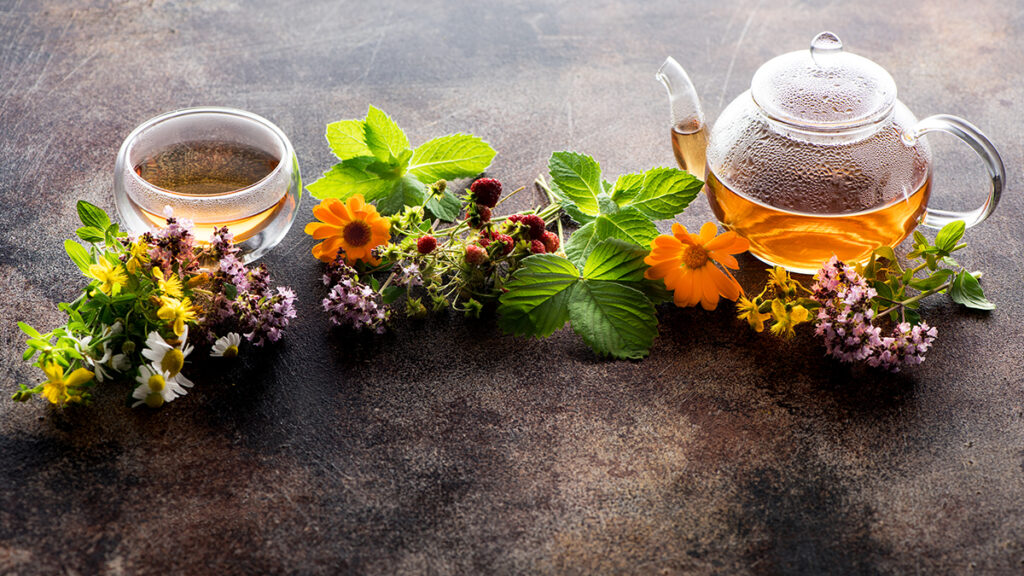
Herbs form the core of most holistic kits because they offer versatile healing properties with fewer side effects than many synthetic drugs. Take calendula, for example—it works wonders as a salve for burns and cuts but also soothes sore throats when made into tea. Chamomile is another must-have, offering both calming effects and digestive support.
For nausea or digestive troubles, ginger and peppermint are powerful allies. Echinacea and elderberry are excellent for boosting the immune system during cold and flu season. And when it comes to bumps or bruises, arnica cream or gel is a go-to for reducing pain and swelling.
Choosing High-Quality Herbs
Always opt for organic, sustainably sourced herbs. How you store them matters, too—keep them in airtight containers away from light and heat to maintain their strength. Consider stocking your herbs in various forms—tinctures for fast action, teas for daily use, dried herbs for infusions, and salves for external application.
The Role of Essential Oils in Holistic First Aid
Aromatherapy That Heals Body and Mind
Essential oils are highly concentrated plant extracts, and just a few drops can offer noticeable effects. Lavender oil is a standout—it calms the mind and promotes sleep, but it also helps heal burns and soothe skin irritation. Tea tree oil is another powerful option, great for cleaning wounds and preventing infections thanks to its antimicrobial properties.
Peppermint oil can relieve headaches, ease sinus pressure, and soothe sore muscles. Eucalyptus supports clear breathing, while frankincense reduces inflammation and promotes healing.
Use with Care
These oils are potent, so always dilute them in a carrier oil like coconut, jojoba, or almond before applying to your skin. Some essential oils aren’t suitable for young children or pregnant women, so it’s a good idea to consult an aromatherapist or do your research before use.
Nutritional and Hydration Support
Support from the Inside Out
Sometimes, first aid means giving your body the internal support it needs. In cases of illness, physical strain, or heat exhaustion, hydration becomes critical. Electrolyte mixes—especially natural ones free from artificial additives—can restore balance fast.
It’s also smart to include nourishing snacks like dried fruit, nuts, or energy bars made with herbal ingredients. And don’t underestimate the power of herbal teas—nettle and rooibos, for example, are loaded with minerals and can aid recovery from fatigue or illness.
Homeopathy and Natural Supplements
Gentle, Effective Options
Homeopathic remedies offer gentle but often effective solutions. These tiny, sugar-based pellets are designed to stimulate your body’s natural healing mechanisms. Arnica montana is excellent for trauma and bruising, Apis mellifica for insect stings, and Nux vomica for digestive troubles. They’re portable, long-lasting, and safe when used properly.
Alongside these, natural supplements such as vitamin C, zinc, and probiotics can support your immune system and digestive health. While they’re not a replacement for a healthy diet, they offer valuable support during recovery or illness.
Tools and Non-Medication Essentials
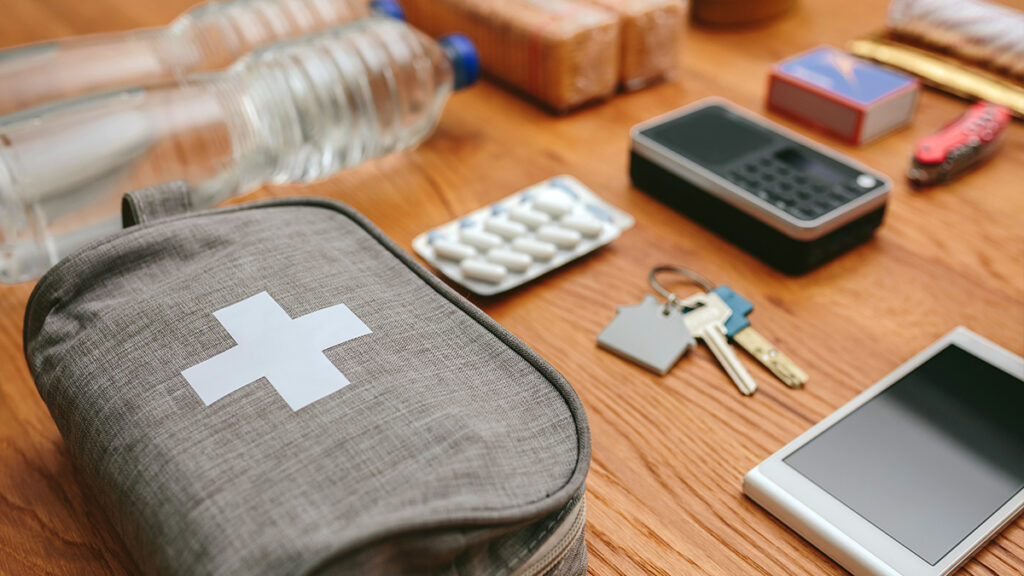
A holistic first aid kit isn’t complete without a few practical tools. Keep reusable cold packs on hand for bumps and injuries. A digital thermometer is essential for tracking fevers. Use bandages made from natural fibers, and include sterile gauze, cotton cloths, and medical tape.
Don’t forget stainless steel or bamboo tweezers for splinters and ticks, and a small pair of scissors for cutting bandages or tape. For wound care, saline solution or gentle herbal washes like diluted calendula or chamomile tea can be more skin-friendly than harsh antiseptics.
Customizing Your Kit for Your Lifestyle
A great holistic first aid kit should match how and where you live. If you’re an avid hiker, include remedies for insect bites, dehydration, and sprains. Parents will want child-friendly remedies like mild herbal teas, homeopathic pellets, and gentle balms. City dwellers might prioritize stress support, with items like lavender oil and relaxing teas.
You should also rotate your kit with the seasons. During winter, add extra immune boosters. In summer, keep hydrating and cooling remedies at the ready.
Storing and Maintaining Your Kit
To preserve the potency of your herbs and oils, store your kit in a cool, dry, and dark place. Airtight containers work best. Make sure everything is labeled clearly with contents and expiration dates. Every few months, check and replace anything that’s expired or running low.
When to Seek Medical Attention
Even the best holistic kit has its limits. If someone has a serious injury, high fever, allergic reaction, trouble breathing, or ongoing pain, don’t hesitate to seek professional medical help. Natural remedies can be used alongside medical care—but they should never replace it in emergencies.
Conclusion: A Prepared and Empowered Approach to Health
Creating a holistic first aid kit is about more than gathering herbs and oils—it’s a reflection of how you care for yourself and your loved ones. When you combine natural remedies, nutritional support, and smart tools, you’re not only ready to handle everyday health hiccups—you’re also building a foundation of proactive, sustainable wellness.
This kind of kit gives you confidence. You’ll be ready for life’s little bumps and surprises without always reaching for synthetic solutions first. More importantly, you’ll be embracing a mindful approach to health—one that values self-care, connection, and the body’s innate ability to heal.