Benefits of Spending Time in Nature

Introduction: Rediscovering Our Connection to the Natural World
In today’s fast-paced world of deadlines, screens, and crowded cityscapes, it’s easy to forget that human beings are deeply connected to the natural environment. For much of history, people lived in close harmony with the rhythms of the earth—hunting, farming, and gathering beneath open skies. Today, however, many of us spend the majority of our lives indoors, with only fleeting moments outdoors between commitments. A quick glance at the sky while commuting or a weekend walk in the park has become the extent of our contact with nature.
Yet, research increasingly shows that our well-being—both physical and emotional—depends on nurturing this bond. Spending time in nature is more than a pleasant escape; it has measurable benefits. Exposure to natural settings can lower stress hormones, improve immune function, lift mood, enhance focus, and restore perspective. For children, it fuels imagination and development. For adults, it restores balance, inspires creativity, and rekindles a sense of belonging.
Whether it’s the silence of a forest, the vastness of a desert, the salty air of a beach, or even the quiet greenery of a neighborhood park, nature has the power to heal and ground us. This article explores the wide-ranging benefits of spending time in nature—drawing on science, psychology, and lived experience—and offers practical reasons to step outside and make nature a regular part of your lifestyle.
The Physical Health Benefits of Nature
Supporting Cardiovascular and Immune Function
One of the most striking benefits of time outdoors is its impact on physical health, particularly cardiovascular and immune systems. Spending time in green environments lowers blood pressure, heart rate, and cortisol levels, all of which protect the heart and blood vessels. Nature’s calming influence helps the body recover from the constant low-grade stress of modern living, which often places immense strain on cardiovascular health.
Nature also bolsters the immune system. Studies on the Japanese practice of shinrin-yoku, or forest bathing, reveal that inhaling phytoncides—organic compounds released by trees—boosts the number and activity of natural killer cells. These immune cells are crucial for fighting infections and identifying cancerous cells. The synergy of fresh air, reduced stress, and gentle movement creates an environment where the body’s defenses thrive.
Encouraging Physical Activity and Fitness
Spending time outdoors naturally leads to movement. Hiking uneven trails, cycling through greenways, swimming in lakes, or playing games in a park all build endurance, flexibility, and strength. Unlike indoor gym routines, which can feel repetitive, outdoor activities often feel joyful and engaging, encouraging consistency over time.
Even moderate activity such as gardening, raking leaves, or taking evening walks in a park provides health benefits. Natural terrain requires varied movements that engage muscles differently than flat indoor spaces. A short walk along a wooded trail not only burns calories but also strengthens balance and mobility. Nature transforms exercise from a chore into an enjoyable lifestyle habit.
Mental and Emotional Well-Being in Nature
Nature as a Stress Reliever
Modern urban life is filled with constant noise, notifications, and obligations. Nature serves as an antidote, helping to regulate stress. Studies show that spending time in green spaces lowers cortisol, the body’s main stress hormone, while increasing endorphins and dopamine—chemicals that elevate mood and promote relaxation.
The effect is surprisingly fast. Even a 20-minute stroll in a park can significantly reduce tension and improve mental clarity. For people experiencing chronic stress, burnout, or anxiety, consistent outdoor time acts like a natural therapy, helping to regulate emotions and restore calm without medication.
Improving Focus and Cognitive Function
The human brain wasn’t designed for constant stimulation. The Attention Restoration Theory suggests that time in nature restores our ability to focus by allowing the brain to rest from directed attention. Natural environments invite gentle fascination—the rustle of leaves, the movement of clouds, the flow of water—which engages the senses without overwhelming them.
Children with ADHD have been shown to concentrate better after time spent outdoors compared to time in urban settings. For adults, short outdoor breaks can enhance problem-solving, memory, and creativity. Many writers, artists, and thinkers have credited natural landscapes for sparking inspiration and fresh ideas.
Boosting Mood and Combating Depression
Nature has a profound influence on emotional well-being. Regular exposure to outdoor environments is linked to lower rates of depression and greater life satisfaction. Natural light helps regulate circadian rhythms, improving sleep and, in turn, supporting emotional stability. The sensory richness of natural environments—the scent of flowers, the sound of birds, the touch of wind—stimulates the brain in ways that foster joy and reduce isolation.
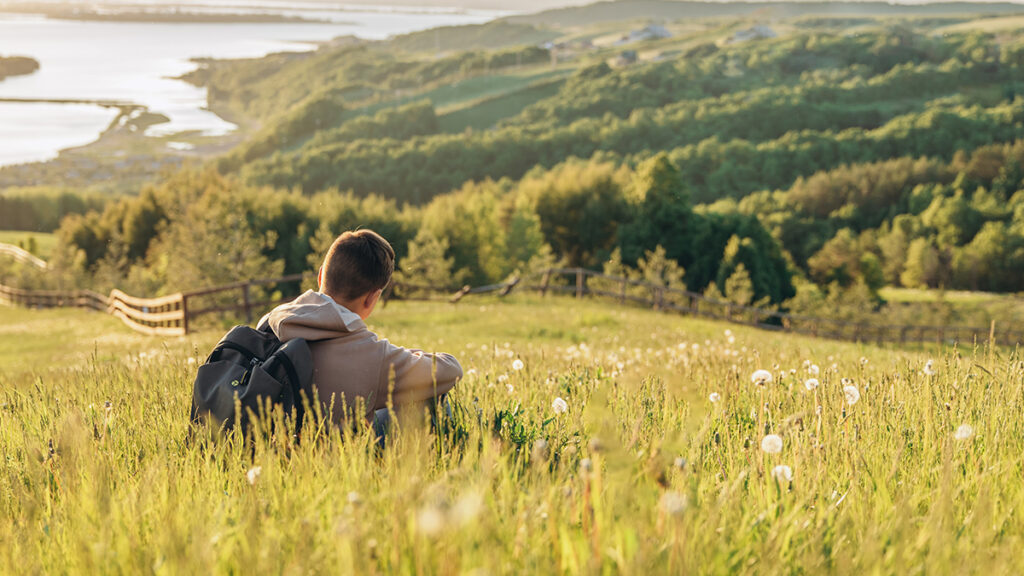
For those struggling with depression or anxiety, mindful activities like sitting near a river, meditating outdoors, or simply breathing deeply in fresh air can provide grounding, comfort, and peace. These practices reconnect individuals to something larger than themselves, offering perspective during difficult times.
Nature’s Role in Social Connection and Community
Strengthening Relationships
Nature creates opportunities for authentic connection. Shared outdoor experiences—whether hiking, camping, picnicking, or volunteering in a community garden—allow people to bond without the distractions of technology. Conversations in these settings tend to be more present and meaningful, strengthening social ties.
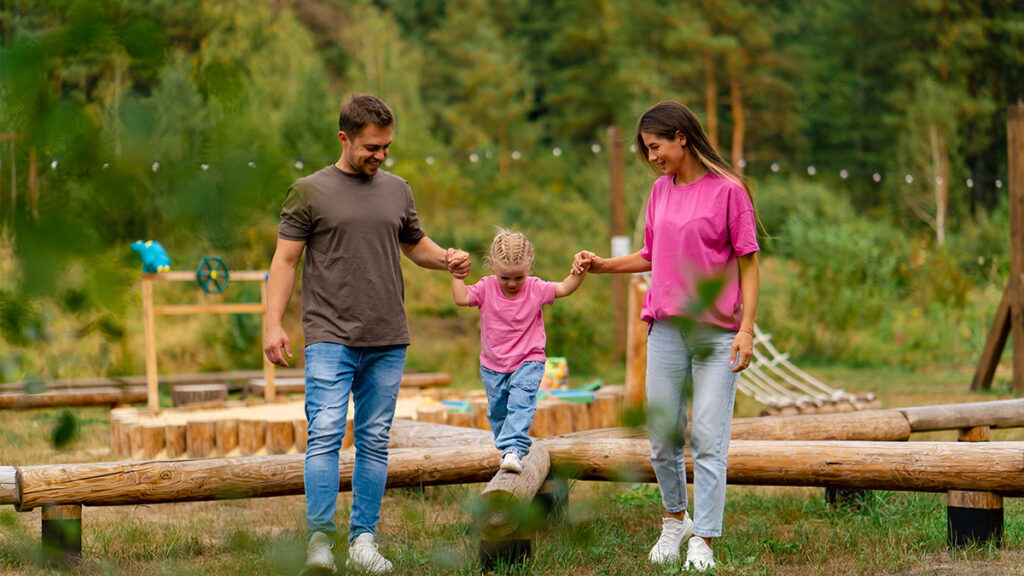
Families especially benefit from time outdoors. Activities like navigating trails, cooking over campfires, or exploring natural spaces together foster cooperation, problem-solving, and lasting memories. These shared experiences reinforce bonds and create traditions that outlast digital interactions.
Building a Sense of Belonging
Community green spaces and parks play a vital role in fostering social belonging. These areas bring people together, regardless of background, to enjoy shared resources and experiences. Neighborhood clean-up days, local conservation projects, or park events not only improve the environment but also strengthen civic pride and collective identity.
When people gather in nature, they experience a shared humanity. This collective connection reduces feelings of loneliness and builds a stronger, healthier community fabric.
Spiritual and Mindfulness Benefits of Nature
Cultivating Presence and Awareness
Nature invites mindfulness. The gentle sway of trees, the sparkle of sunlight on water, or the feel of earth underfoot encourages presence in the moment. These sensory cues naturally draw attention away from mental noise and toward direct experience.
Mindfulness practices often incorporate natural settings for this reason. Meditating outdoors, practicing yoga in a park, or walking barefoot on grass deepens self-awareness, enhances gratitude, and calms the nervous system. These practices integrate body, mind, and environment, offering a profound sense of peace.
Inspiring Awe and Perspective
Few experiences rival the awe of standing before a mountain range, witnessing a fiery sunset, or gazing at a star-filled sky. These moments shift perspective, reminding us of our small place in the vast universe. Awe can quiet self-focused thoughts, foster generosity, and encourage care for the environment.
Experiences of awe are not limited to grand landscapes; they can be found in small details—a butterfly landing on a flower, the intricate design of a snowflake, the sound of rain on leaves. These reminders of beauty invite humility and deepen our appreciation for life itself.
Nature and Childhood Development
Supporting Physical and Cognitive Growth
For children, nature is not just beneficial—it’s essential. Outdoor play develops motor skills, coordination, and balance while stimulating creativity and imagination. Climbing trees, digging in soil, and exploring trails encourage curiosity and hands-on learning.
Schools that integrate outdoor education report higher levels of engagement, improved academic performance, and better behavior among students. Children exposed to natural environments also tend to develop a lifelong appreciation for the environment, which fosters more sustainable habits in adulthood.
Encouraging Emotional Resilience
Nature helps children build resilience by presenting manageable challenges. Navigating a forest trail, spotting wildlife, or learning to build a shelter gives them confidence and problem-solving skills. Facing small risks in outdoor play teaches adaptability and independence, preparing children for challenges beyond childhood.
Time outdoors also reduces stress and improves emotional stability in children, providing them with tools to manage frustration, fear, or sadness in healthy ways.
Practical Ways to Integrate Nature into Daily Life
Making Time for Green Spaces
You don’t need to escape to the wilderness to enjoy the benefits of nature. Even small doses of green time make a difference. A neighborhood park, riverside walkway, or rooftop garden can provide restorative experiences. Setting aside time for a morning walk, a lunch break outside, or an evening stroll ensures that nature becomes a consistent part of daily life.
Blending Nature with Routine Activities
Integrating nature into everyday tasks is simple and effective. Take work calls while walking outdoors, exercise in a park instead of a gym, or enjoy meals outside when weather permits. Even opening windows, keeping houseplants, or watching the clouds can reconnect you to natural rhythms. Over time, these small practices accumulate, creating lasting habits of connection.
Conclusion: Choosing Nature for a Healthier, Happier Life
Spending time in nature is one of the most powerful and accessible ways to enhance well-being. From lowering stress and boosting immunity to inspiring awe, creativity, and social connection, its benefits touch every dimension of human life. In a society dominated by screens and artificial environments, prioritizing nature is not a luxury—it is a necessity.
Reconnecting with the outdoors doesn’t require radical lifestyle changes. It begins with simple steps: walking in the park, sitting beneath a tree, listening to birdsong, or watching the sunset. Over time, these moments weave into a lifestyle of balance, joy, and mindfulness.
By choosing nature, we not only heal ourselves but also strengthen our relationship with the planet. In honoring this bond, we cultivate healthier lives and more sustainable communities—proving that the path to wellness is as close as the world outside our front door.