Best Foods for Healthy Skin


Introduction: Nourishment That Shows on Your Skin
Healthy, glowing skin is often associated with youth, vitality, and overall wellness. While skincare products, treatments, and consistent routines play a valuable role in maintaining complexion, the true foundation of radiant skin begins from within. Every cell of your skin is influenced by what you eat, because nutrients, antioxidants, and hydration all work at the cellular level to repair damage, maintain elasticity, and create that natural glow many of us seek.
A diet rich in skin-supportive foods does more than enhance appearance—it strengthens the skin’s ability to act as a barrier, accelerates healing, and even helps slow the visible signs of aging. In today’s world, where people often spend heavily on creams, serums, and treatments, the impact of nutrition is still underestimated. Yet science continues to show that the vitamins, minerals, healthy fats, and plant compounds we consume daily are essential for achieving and maintaining vibrant, healthy skin.
This guide will dive into the connection between nutrition and skin health, highlight the nutrients your skin needs most, and explore the best foods you can add to your daily meals for a complexion that radiates from the inside out.
The Connection Between Diet and Skin Health
How Nutrition Influences Skin Function
The skin is the body’s largest organ, and just like your heart, liver, or lungs, it requires proper nourishment to function at its best. Every day, your skin is exposed to external stressors such as UV rays, environmental pollution, changing weather, and stress. Internally, it also has to deal with hormonal changes, oxidative stress, and the natural process of aging. To repair and protect itself, the skin relies on a steady supply of nutrients delivered through your diet.
The structure of your skin—its collagen fibers, elastin, and lipid barrier—depends on this nourishment. For instance, vitamin C is crucial for collagen synthesis, vitamin A regulates cell turnover, vitamin E defends against oxidative damage, and omega-3 fatty acids help maintain hydration and softness by strengthening the lipid barrier. When your diet is deficient in these nutrients, the results often show up in the form of dryness, premature fine lines, dullness, or even chronic skin conditions.
The Role of Antioxidants
A major part of skin health revolves around antioxidants, compounds that defend against free radical damage. Free radicals are unstable molecules generated by sun exposure, pollution, processed foods, and stress. Over time, they can cause inflammation, accelerate collagen breakdown, and lead to wrinkles, pigmentation, or sagging. Antioxidants, which are abundant in colorful plant-based foods, neutralize these free radicals and support the skin’s natural repair processes.
By consuming a diet rich in antioxidants—think berries, leafy greens, nuts, seeds, and vibrant vegetables—you give your skin a protective shield that reduces long-term damage and preserves a youthful appearance.
Key Nutrients for Glowing, Healthy Skin
Vitamins That Enhance Skin Health
Certain vitamins are particularly important for skin vitality. Vitamin A supports cell turnover, helping prevent clogged pores and promoting smoother texture. Vitamin C not only plays a critical role in collagen synthesis but also brightens skin tone and enhances wound healing. Vitamin E is a powerful antioxidant that works synergistically with vitamin C to shield against oxidative stress. Vitamin D, often called the “sunshine vitamin,” contributes to a stronger skin barrier and helps reduce inflammation.
Essential Minerals for Skin Strength
Minerals may not get as much attention as vitamins, but they are equally vital. Zinc helps regulate oil production and can reduce acne breakouts. Selenium acts as an antioxidant, supporting elasticity and protection from sun damage. Copper is involved in the creation of elastin, the protein that allows skin to remain firm yet flexible. A lack of these minerals often results in weakened barrier function, slower wound healing, or increased susceptibility to irritation.
Healthy Fats for Hydration and Elasticity
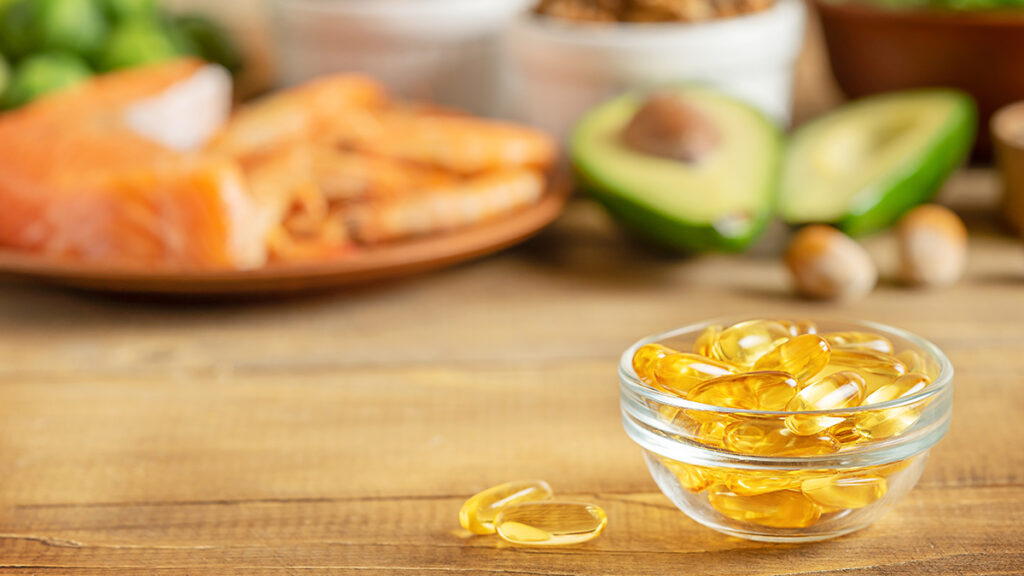
Without sufficient healthy fats, skin can easily become dry, flaky, and irritated. Omega-3 and omega-6 fatty acids help build and maintain the skin’s lipid barrier, locking in moisture and preventing dehydration. These fats also reduce inflammation, which is especially helpful for people struggling with eczema, psoriasis, or acne. Including foods rich in these fats ensures that your skin stays supple, hydrated, and resilient.
Best Foods for Radiant Skin
Fatty Fish: A Source of Omega-3s and Protein
Fatty fish such as salmon, sardines, mackerel, and tuna are some of the most skin-loving foods you can eat. Rich in omega-3 fatty acids, they help keep the skin’s barrier strong and reduce inflammation that often leads to redness, sensitivity, or acne. These fish also provide high-quality protein, which is essential for collagen and elastin production. Additionally, they contain vitamin E, a fat-soluble antioxidant that protects the skin against free radical damage from sun exposure or pollution. Eating fatty fish two to three times a week can noticeably improve hydration and skin softness.
Colorful Berries: Antioxidant Powerhouses
Berries are small but mighty allies for your skin. Blueberries, strawberries, raspberries, and blackberries are packed with vitamin C, polyphenols, and anthocyanins—compounds that fight oxidative stress. They help brighten skin tone, protect against sun-induced damage, and promote collagen stability. The vibrant colors of berries are indicators of their antioxidant richness, and regular consumption can reduce dullness while promoting an even, youthful complexion.
Leafy Greens: Nutrient-Dense Skin Boosters
Spinach, kale, collard greens, and Swiss chard are filled with beta-carotene, vitamin C, and vitamin K. Beta-carotene converts into vitamin A in the body, supporting cell renewal and repair, while vitamin C boosts collagen synthesis. These greens also contain chlorophyll, which may help detoxify the body and reduce inflammation, leading to calmer, clearer skin. Including a generous portion of leafy greens daily is one of the simplest ways to support skin health.
Nuts and Seeds: Vitamin E and Healthy Fats
Almonds, walnuts, sunflower seeds, and chia seeds are concentrated sources of vitamin E and healthy fats. Vitamin E helps strengthen the skin barrier and shields cells from oxidative stress, while omega fatty acids lock in hydration. Even a small handful of nuts or seeds daily can make a visible difference in your skin’s elasticity and overall glow.
Avocados: Creamy Goodness for Hydration
Avocados are beloved not only for their creamy taste but also for their skin benefits. They are loaded with monounsaturated fats, vitamin E, and vitamin C, all of which work together to hydrate and repair the skin. The healthy fats in avocados also improve the absorption of fat-soluble vitamins like A, D, and E, making them particularly effective at nourishing the skin from within.
Citrus Fruits: Brightening and Collagen Support
Oranges, lemons, limes, and grapefruits are excellent sources of vitamin C. This vital nutrient not only supports collagen production but also helps brighten skin tone and protect against hyperpigmentation. Regular consumption of citrus fruits can help reduce the appearance of fine lines while keeping your skin radiant and resilient against environmental stressors.
Tomatoes: Lycopene for Sun Protection
Tomatoes are rich in lycopene, a powerful antioxidant that provides some level of protection against UV-induced damage. While they don’t replace sunscreen, consuming tomatoes regularly can strengthen the skin’s defense system. Interestingly, cooking tomatoes enhances lycopene availability, so tomato sauces, soups, and roasted preparations can be particularly beneficial for skin health.
Sweet Potatoes and Carrots: Beta-Carotene Rich Foods
Sweet potatoes and carrots are high in beta-carotene, which the body converts into vitamin A. This nutrient supports healthy skin cell regeneration and protects against oxidative stress. Eating these foods regularly can give the skin a warm, natural glow while helping prevent dryness and roughness.
Hydration and Skin Health
Water’s Role in Skin Vitality
No skin-boosting diet is complete without hydration. Water plays a vital role in maintaining plump, elastic, and healthy skin cells. Without enough hydration, skin can quickly become dry, dull, and flaky. Drinking sufficient water throughout the day keeps the skin looking fresh, while water-rich foods such as cucumbers, melons, and celery provide an additional source of hydration.
Herbal Teas and Infused Water
In addition to plain water, herbal teas and infused waters contribute both hydration and nutrients. Green tea, hibiscus tea, and chamomile tea, for example, provide antioxidants and anti-inflammatory compounds that help soothe the skin and fight signs of aging. Infusing water with lemon, cucumber, or berries can also make hydration more enjoyable while delivering a dose of vitamins and antioxidants.
Foods to Limit for Healthier Skin
While it’s important to add skin-friendly foods, it’s equally crucial to limit those that can harm your complexion. Diets high in refined sugar, processed foods, and unhealthy trans fats increase inflammation, break down collagen, and worsen conditions like acne and premature wrinkles. Excessive alcohol and caffeine can also dehydrate the skin, making it look tired and dull. By minimizing these foods and replacing them with nutrient-dense whole foods, you create the best possible foundation for glowing skin.
Building a Skin-Friendly Diet
Incorporating skin-boosting foods into your daily meals does not have to be overwhelming. A smoothie packed with spinach, berries, and chia seeds makes for a powerful skin-friendly breakfast. Lunch could include a salad with avocado, salmon, and citrus dressing, while dinner might feature roasted sweet potatoes, leafy greens, and tomato-based dishes. Over time, these small but consistent choices accumulate, leading to visible improvements in skin tone, hydration, and resilience.
A balanced diet that combines proteins, healthy fats, and complex carbohydrates provides your skin with the raw materials it needs to repair itself. When paired with proper hydration, restful sleep, and stress management, dietary changes can transform your skin from the inside out.
Conclusion: Let Your Skin Reflect Your Health
Healthy skin truly begins with what you put on your plate. While skincare products help on the surface, the vitamins, minerals, antioxidants, and healthy fats found in whole foods nourish skin cells at their core. By focusing on nutrient-rich foods such as fatty fish, leafy greens, berries, nuts, seeds, and avocados, you give your skin the building blocks it needs to stay youthful, hydrated, and resilient.
Eating for healthy skin isn’t about quick fixes—it’s about adopting a balanced lifestyle that supports both your inner health and outer glow. When you fuel your body with the right foods, your skin becomes a reflection of your vitality, radiance, and overall well-being.