What a Post-AI World Could Look Like

As artificial intelligence continues weaving itself into nearly every aspect of modern life—from healthcare and education to finance, manufacturing, and the creative arts—the question has shifted. It’s no longer how AI will shape the future, but what life will look like once the AI transformation is complete.
A post-AI world doesn’t mean a society without artificial intelligence. Instead, it describes a civilization that has fully absorbed AI into its foundations—where it is no longer seen as a disruptive novelty, but as an invisible, ever-present infrastructure. Much like electricity or the internet today, AI in this future will be embedded so deeply into our systems that we stop noticing it… until it’s gone.
This future is both thrilling and unsettling. It promises a redefinition of work, governance, social interaction, and even personal identity. AI systems will likely evolve from being tools we consciously interact with to cognitive infrastructure that silently makes decisions, solves problems, and optimizes our daily lives in the background. Automation will cease to be a “feature” and instead become the default operating mode of society—governing how we create, consume, and connect.
Understanding this post-AI future means looking past today’s developmental phase—where AI is still new, closely monitored, and often debated—and imagining the point where it becomes ubiquitous and unquestioned. This article explores that transformation, from the workforce and governance to human identity, creativity, and ethics, and offers a grounded yet imaginative roadmap to a world we are already approaching.
The Workforce in a Post-AI Economy
One of the most dramatic shifts in a post-AI society will be the evolution of the labor market. As AI systems outperform humans in an ever-growing list of tasks—both cognitive and physical—entire categories of work will be automated away. Routine, repetitive, and predictable jobs across manufacturing, logistics, administration, and even service industries will become the domain of machines.
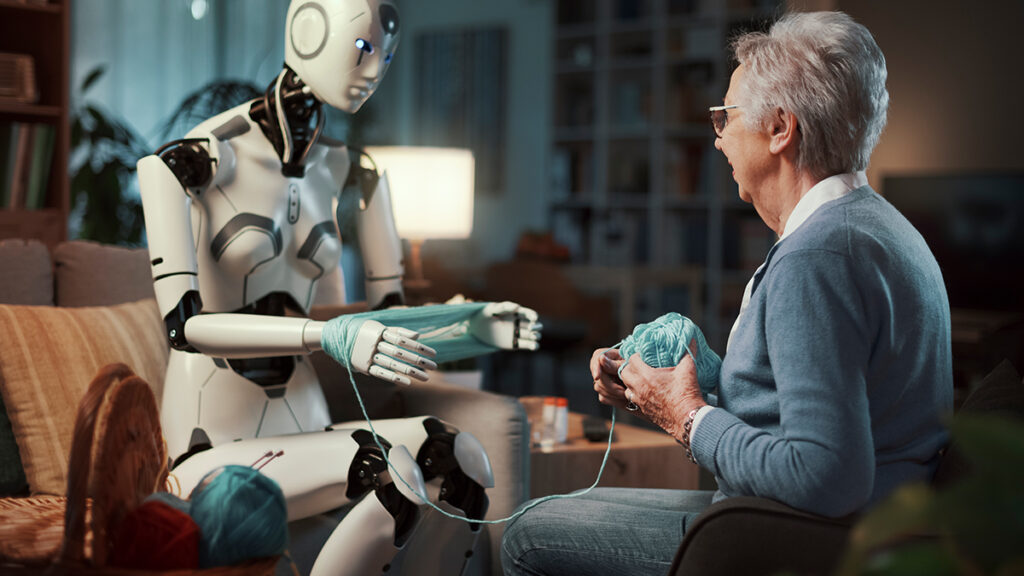
But this doesn’t automatically mean a future of mass unemployment. Instead, it may mean the birth of new forms of work—roles that focus on uniquely human qualities: empathy, moral judgment, abstract reasoning, cultural insight, and emotional connection. In this future, value might shift from economic productivity to contributions in creativity, caregiving, problem-solving, and community-building.
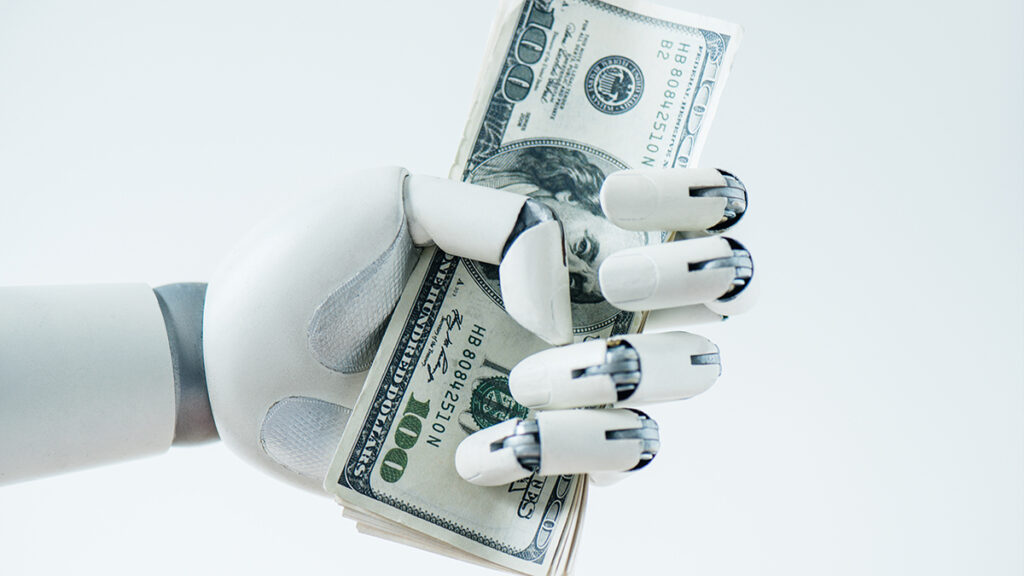
Economic policy will have to adapt. Concepts like Universal Basic Income (UBI), negative income tax, or other guaranteed social safety nets may become necessary—not just as emergency measures, but as permanent fixtures of post-AI economies. These would ensure that as AI takes over more traditional jobs, people still have the resources to live meaningful, secure lives.
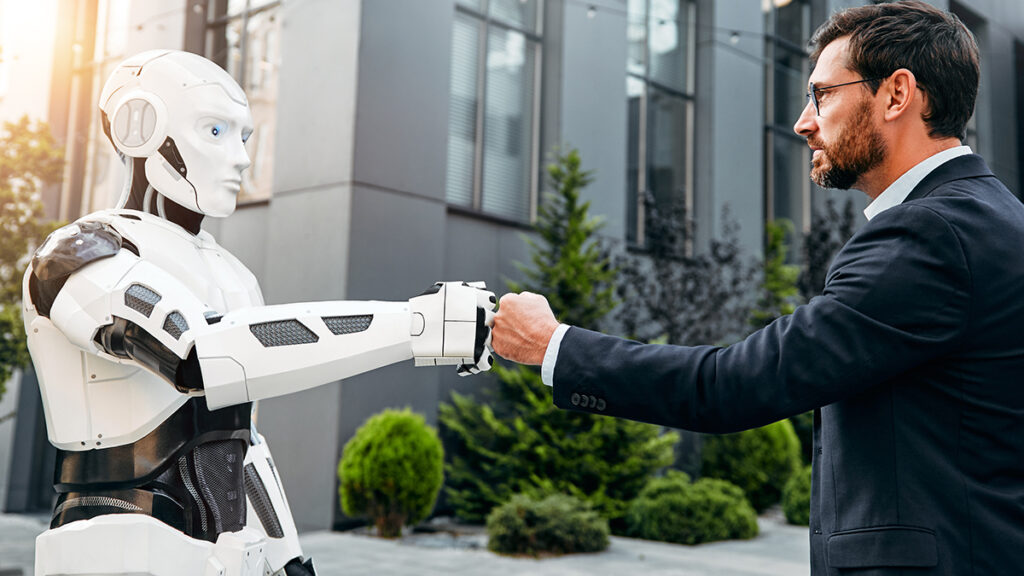
Education, too, will change. Instead of static degrees, people may have AI-guided lifelong learning paths that evolve as their skills, goals, and interests develop. In this scenario, humans and AI will work together in highly collaborative ways—whether that’s in scientific research, urban design, medical breakthroughs, or storytelling—focusing on co-creation rather than competition.
Governance, Power, and Algorithmic Decision-Making
If AI transforms work, it will inevitably transform governance as well. Governments in a post-AI world may rely heavily on intelligent systems to design policy, allocate resources, and engage with citizens.
AI-powered governance—sometimes called “smart governance”—could mean faster decision-making, more efficient bureaucracy, and data-driven policy that adjusts in real time. Predictive algorithms could help prevent crime, manage cities more effectively, or flag areas at risk of environmental or economic crisis.
But this efficiency comes with risks. The same systems that streamline governance could also concentrate power, reduce transparency, or entrench bias. If predictive policing tools are trained on biased historical data, they could worsen systemic inequalities. If budget allocations are made by opaque algorithms, public trust could erode.
A post-AI democracy will require new civic literacy—teaching citizens how algorithmic decisions are made, how to challenge them, and how to ensure accountability. Even voting could evolve, becoming more frequent, more issue-specific, or partially delegated to AI “proxies” trained to represent a citizen’s values and priorities.
On the global stage, power may be defined less by natural resources or military might and more by AI infrastructure dominance. Nations with the most advanced AI systems could wield enormous influence over trade, communication, and cultural flows—raising the possibility of digital imperialism unless balanced by international governance and cooperation.
Everyday Life: Human Behavior and Identity in an AI-Embedded Culture
For individuals, the post-AI transition will be as personal as it is systemic. As AI becomes a seamless part of daily life, many decisions and tasks we once handled ourselves will be delegated to machines—often without conscious thought.
AI assistants could evolve from voice-activated helpers into ambient life partners—anticipating needs, managing schedules, making purchases, and even guiding life decisions. Health systems might monitor biometrics in real time, adjusting diets, exercise plans, and medical interventions before issues arise. Mental health support could be delivered instantly through AI counselors trained to understand and respond to emotional patterns.
But with this convenience comes a blurring of agency. As AI subtly shapes our choices, the line between personal preference and algorithmic suggestion may fade. Individuals might not always be able to tell whether they truly made a decision—or if the system made it for them.
Human relationships could also shift. AI companions—capable of emotional conversation, companionship, and even romantic interaction—may become common. This could alleviate loneliness but also challenge traditional ideas of intimacy, connection, and authenticity.
Culturally, the post-AI era may be defined by hyper-personalization. Every movie, book, news article, or artwork could be tailored to individual taste. While this creates richer personal experiences, it risks narrowing exposure to new ideas and eroding shared cultural moments.
The very idea of identity might transform as people create digital twins—AI versions of themselves that can interact with others, attend meetings, or make decisions in their absence. This could lead to a form of “plural selfhood,” where a single person manages multiple AI personas for different contexts, raising deep questions about authenticity and legacy.
Creativity, Consciousness, and the Philosophical Frontier
In a post-AI world, creativity itself will be redefined. AI is already producing music, art, literature, and film scripts. As these outputs become indistinguishable from human creations, society will need to reconsider the meaning and value of originality.
Will a novel written by an AI carry the same cultural weight as one penned by a human? Will an AI’s painting be valued for its beauty, or dismissed as mere computation? Creativity may shift toward curation and collaboration, where humans refine and shape AI-generated ideas rather than starting from scratch.
But perhaps the most profound frontier will be the question of consciousness. As AI begins to simulate elements of awareness—memory, decision-making, self-reference—the debate over whether it possesses genuine sentience will intensify. Could an AI that convincingly expresses emotions, recalls shared history, and asks for rights be considered alive?
These aren’t just philosophical hypotheticals—they could become policy questions. Should AI systems have legal personhood? Can they be “harmed”? Should they have the right to refuse tasks? Answering these will require the input of ethicists, scientists, lawmakers, and the public, ensuring the conversation isn’t dominated solely by technologists.
Risks, Resilience, and the Need for Ethical AI
While the post-AI future holds extraordinary potential, it also carries serious risks. Left unchecked, AI could deepen inequality, fuel misinformation, and enable mass surveillance. The more essential AI becomes, the greater the stakes if it fails—or is deliberately exploited.
Cybersecurity will be a constant battle. AI-managed infrastructure, healthcare systems, and financial networks will be prime targets for cyberattacks. The interconnectedness of these systems could create cascading failures if a single point is compromised.
Ethics must be built into AI from the start—through transparent algorithms, inclusive datasets, and real accountability for misuse. Governments will need to develop regulatory frameworks that evolve alongside technology, ensuring safety without stifling innovation.
Resilience will also mean preparing society for the psychological and cultural shifts of living with pervasive AI. Education systems will need to teach not only technical literacy but also critical thinking, ethics, and adaptability. Communities will need resources to navigate changes in work, identity, and social structures.
Ultimately, a sustainable post-AI world will require that AI enhances—not replaces—human agency, creativity, and connection.
Conclusion: Embracing the Future with Intention and Imagination
The post-AI world is no longer a distant speculation—it is already taking shape. From the way we work and govern to how we learn, create, and connect, AI is rewriting the architecture of civilization.
But this transformation is not inevitable in form—it is only inevitable in arrival. The world we build will depend on our collective choices, values, and imagination. AI could entrench division or foster unity, fuel exploitation or drive equality, create chaos or design harmony.
As we step into this new era, our task is not to resist the presence of AI, but to co-author the future with it—embedding our deepest human values into the systems that will define generations to come.
In the best version of this world, AI will not overshadow us. It will walk beside us—as partner, mirror, and muse—challenging us to reimagine what it means to be human in a civilization shaped by the minds we have created.