Tips for Maintaining Work-Life Balance

Introduction: The Modern Struggle for Balance
The idea of balance between work and personal life has never felt more elusive. Once upon a time, “leaving the office” meant exactly that. But in today’s hyper-connected world, the office follows us home in the form of laptops, emails, and endless notifications. A late-night ping on your phone might pull you back into work mode at midnight. Remote work, while offering convenience, often turns living rooms into conference rooms, and “just one more task” can quietly stretch into hours of unpaid overtime.
The cultural shift toward being “always on” has redefined what it means to succeed. For many professionals, availability has become as important as performance. The challenge? Maintaining that constant availability comes at a cost: higher stress, diminished health, strained relationships, and eventual burnout.
The truth is, work-life balance isn’t just a buzzword—it’s a necessity. It’s about ensuring that your career ambitions don’t eclipse your health, your relationships, or your sense of fulfillment. A balanced life allows you to bring your best self to your work without sacrificing joy and presence outside of it. This article dives deep into practical, research-backed strategies for cultivating lasting balance. With the right tools and mindset, you can navigate modern pressures while protecting your well-being and creating space for a full, meaningful life.
Understanding the Importance of Work-Life Balance
The Impact on Health and Well-being
When work consistently takes center stage, personal well-being is often the first casualty. Stress piles up, sleep shortens, meals become rushed or skipped, and exercise falls by the wayside. Over time, these patterns chip away at health, increasing the risk of cardiovascular disease, weakened immunity, and chronic anxiety.
By contrast, balance fosters resilience. People who carve out space for exercise, hobbies, and relationships not only live longer but also report higher life satisfaction. Emotional well-being flourishes when downtime is respected. Without it, the brain never fully resets, leading to irritability, poor decision-making, and mental exhaustion. A life that honors both work and personal needs supports clarity, creativity, and a more sustainable pace.
Productivity and Professional Success
There’s a persistent myth that working longer hours automatically equals greater success. In reality, studies consistently prove the opposite: overwork leads to diminishing returns. Productivity plateaus when the brain and body are overextended.
Employees who respect their own boundaries, sleep well, and take restorative breaks often outperform those who push through exhaustion. They bring sharper focus, stronger problem-solving skills, and greater energy to the hours they do work. Forward-thinking companies are beginning to notice this, offering flexible schedules, wellness programs, and mental health resources to retain engaged, high-performing employees. True productivity doesn’t come from relentless output—it comes from balance.
Setting Boundaries Between Work and Personal Life
Defining Your Non-Negotiables
The foundation of balance lies in boundaries. One of the first steps is defining your non-negotiables—the personal rituals, activities, and moments you refuse to compromise. Maybe it’s family dinners, your daily workout, or a quiet hour before bed to read. These aren’t luxuries; they’re anchors that protect your well-being.
Without clearly defined limits, work has a way of expanding into every corner of your day. Setting start and stop times for your workday—and respecting them—draws a line in the sand. It communicates to both yourself and others that your time has value beyond work obligations. Boundaries don’t stifle success; they preserve the energy required to sustain it.
Communicating Boundaries Effectively
Boundaries only work if others know about them. That means communication is key. Whether it’s updating your calendar, setting email auto-responses, or letting clients know when you’ll reply, making your availability clear prevents misunderstandings.
Remote workers, in particular, benefit from visible signals—like marking yourself offline on collaboration platforms or physically shutting down your laptop at the end of the day. Colleagues will adapt if you consistently model and communicate those norms. Over time, this creates a culture where “urgent” is reserved for true emergencies rather than every new email.
Managing Time Intentionally
Prioritization and Planning
Time is finite, and without careful management, it can easily slip away. Prioritization means identifying which tasks deliver the highest impact and tackling them during your peak energy hours. For some, this might be early morning deep work; for others, it could be late afternoon bursts of focus.
Breaking the day into structured blocks can protect against the creep of endless tasks. Imagine starting your morning with focused project work before diving into emails—this ensures progress on meaningful goals before distractions take over. Tools like digital planners, scheduling apps, or even old-fashioned pen-and-paper lists can help you visualize commitments and avoid overloading your day.
The Role of Breaks and Downtime
Human brains aren’t designed for eight-hour marathons of focus. Short breaks every hour or two prevent mental fatigue and restore concentration. A brisk walk, stretching, or even stepping outside for fresh air can recharge you more effectively than grinding through exhaustion.
Beyond micro-breaks, extended downtime is essential. Weekends, vacations, and days off aren’t indulgences; they’re vital for long-term performance. Professionals who take time off often return with fresh ideas, renewed motivation, and higher creativity. Think of rest not as an interruption, but as an investment in future productivity.
Cultivating Healthy Habits Outside of Work
Physical Health as a Foundation
Your physical health directly influences your ability to perform at work and thrive outside it. Exercise reduces stress, boosts energy, and enhances mental clarity. Proper nutrition fuels your body with steady energy rather than spikes and crashes. Sleep consolidates memory, supports immunity, and resets emotional balance.
Treat these habits as immovable commitments—just as important as meetings or deadlines. Schedule workouts, plan nourishing meals, and establish a bedtime routine. The energy you gain will pay dividends across every area of life.
Mental and Emotional Well-being
Balance isn’t only physical—it’s mental. Practices like meditation, mindfulness, and journaling help you process stress and create space between stimulus and reaction. These tools anchor you in the present moment, reducing anxiety and improving perspective.
Equally important is having an identity beyond work. Hobbies provide joy, creativity, and a sense of self outside professional roles. Whether it’s painting, hiking, gardening, or playing music, these pursuits create a buffer that protects against burnout. Social connection is another critical piece. Time with family and friends nurtures belonging and strengthens resilience, making life feel richer and more supported.
Adapting to Flexible and Remote Work Challenges
The Double-Edged Sword of Flexibility
Flexibility can either support balance or dismantle it. Without commutes, the natural separation between work and personal life often disappears. The temptation to check emails after dinner or stretch meetings into late evenings is strong when the “office” is only steps away.
Creating rituals helps reintroduce boundaries. Designate a specific workspace, even if it’s just a corner of the room. Signal the start and end of your day with small acts like changing clothes, shutting your laptop, or taking a short walk. These cues remind your brain when it’s time to switch modes.
Leveraging Flexibility for Balance
When used intentionally, flexibility is a gift. It allows you to tailor your work hours to your natural energy cycles or integrate personal responsibilities—like picking up kids or mid-day workouts—into your schedule. The key is structure. Balance emerges when flexibility is used strategically, not when it dissolves all boundaries. Planning work around your life, rather than forcing life around work, is where the real benefit lies.
Overcoming Guilt and Perfectionism
The Myth of Doing It All
One of the biggest barriers to balance is the illusion that you must excel in every role—professional, parent, partner, friend—without ever dropping a ball. The pressure to “do it all” creates impossible standards that breed burnout and dissatisfaction.
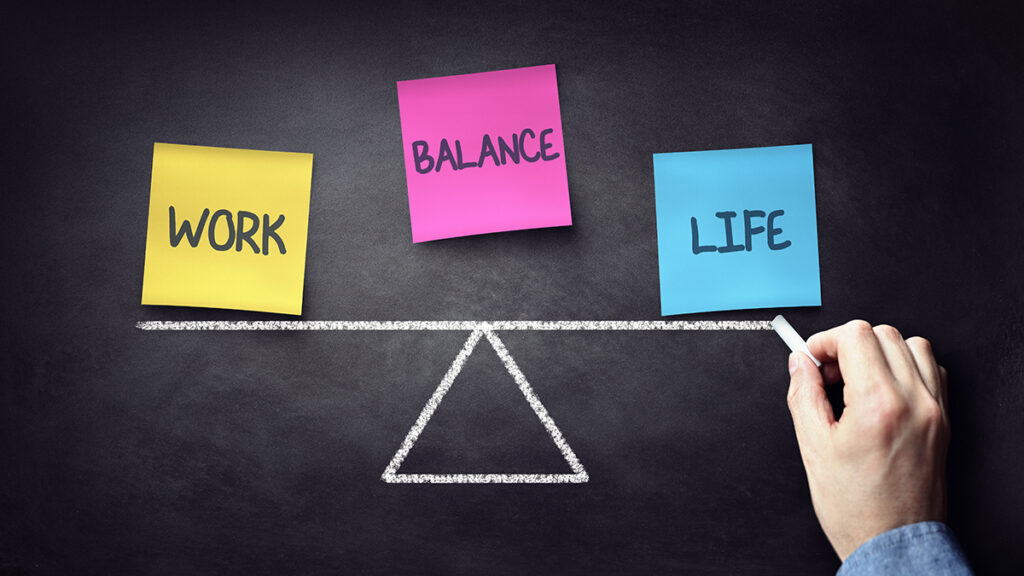
Balance doesn’t mean equality every day. Some days, work will demand more. Other days, personal life takes priority. What matters is not perfection, but the long-term rhythm. Over weeks and months, the scales should level—not every single day.
Letting Go of Guilt
Saying no to extra work or prioritizing rest can feel uncomfortable, even selfish. But reframing self-care as a necessity changes the narrative. By protecting your well-being, you’re not neglecting responsibilities—you’re ensuring that you can continue meeting them effectively.
Modeling this mindset also benefits those around you. When colleagues see you prioritizing balance, it normalizes healthier behavior and contributes to a culture where boundaries are respected rather than stigmatized.
Building a Supportive Environment
Workplace Culture and Leadership
Culture matters. Workplaces that value balance create systems that support it. Leaders who take time off, avoid after-hours messaging, and respect boundaries set powerful examples. Policies like flexible hours, mental health days, and reasonable workloads reinforce these values.
When employees advocate for supportive policies, change can ripple outward. Balance shouldn’t rest solely on individuals—it thrives when built into organizational structures.
Support Systems at Home
Balance also depends on the home environment. Open communication about schedules and responsibilities, sharing household duties, and intentionally setting aside quality time with loved ones all help maintain harmony. Mutual respect for both personal and professional commitments creates stronger, healthier relationships.
Conclusion: Balance as a Lifelong Practice
Work-life balance is not a box to check off once and forget—it’s an ongoing practice that evolves with your career, relationships, and goals. What balance looks like today may shift tomorrow, and that’s okay. The key is intentionality: continually aligning your energy and time with what truly matters.
A fulfilling life isn’t built solely on professional achievements. It also thrives on family dinners, laughter with friends, creative hobbies, restful sleep, and quiet moments of reflection. By setting boundaries, managing time deliberately, cultivating healthy habits, and building supportive environments, you can create a rhythm where both work and life flourish.
In the end, work-life balance isn’t about escaping work—it’s about creating a life you don’t need to escape from. A life where professional success coexists with personal joy, where productivity and well-being fuel each other, and where both career and personal fulfillment are not competing forces, but partners in a meaningful, sustainable way of living.