Self‑assessment tools for e‑learning analytics

Introduction
The rapid expansion of digital education has completely reshaped how learners access knowledge and how institutions measure learning outcomes. From massive open online courses (MOOCs) run by global universities to corporate training delivered entirely online, e-learning has become a dominant force in modern education and workforce development. However, as learning moves further into digital spaces, the responsibility for monitoring progress, identifying weaknesses, and ensuring mastery no longer lies solely with teachers or trainers—it increasingly rests with the learners themselves.
This shift highlights the growing importance of self-assessment tools integrated with e-learning analytics. Self-assessment has long been part of education, encouraging learners to reflect on their understanding, test their skills, and recognize gaps. What has changed in the digital age is the sophistication, personalization, and scalability of these tools. When combined with analytics, self-assessment empowers learners to gain real-time insights into their progress, while also giving educators and organizations data that reveals performance trends, engagement levels, and overall course effectiveness.
This article explores the meaning and role of self-assessment in e-learning, examines how analytics enrich these tools, discusses their benefits and challenges, and looks ahead at future trends that will shape the next generation of digital learning.
Understanding Self-Assessment in E-Learning
The Meaning of Self-Assessment
In the context of e-learning, self-assessment refers to structured digital activities that allow learners to evaluate their own knowledge, skills, and progress. Unlike traditional tests designed to measure performance against external standards, self-assessments emphasize reflection and growth. They might include short quizzes, scenario-based exercises, digital journals, coding challenges, or interactive simulations where learners can test themselves without formal grading.
The key purpose of self-assessment is to help learners become active participants in their learning journey. Instead of waiting for instructor feedback, students take ownership by checking their own understanding, setting goals, and identifying areas where they need more practice. The results are less about achieving a score and more about generating insights that guide the next steps in learning.
The Role of Analytics in Self-Assessment
Analytics transforms self-assessment from a simple feedback mechanism into a powerful tool for continuous improvement. E-learning platforms can track performance data, compare it to learning objectives, and reveal patterns over time. For example, a learner who consistently struggles with reading comprehension quizzes in an English course might receive recommendations for targeted practice activities or supplementary resources.
From the educator’s perspective, analytics generated through self-assessments provide evidence-based insights into how well learners engage with content, where difficulties arise, and which materials need refinement. This creates a feedback loop where learners, teachers, and organizations all benefit from the same pool of actionable data.
Types of Self-Assessment Tools in E-Learning
Quizzes and Knowledge Checks
Quizzes are perhaps the most recognizable form of self-assessment, but in e-learning they have evolved far beyond static multiple-choice tests. Modern quiz tools are adaptive, adjusting question difficulty based on the learner’s responses. Feedback is also immediate and explanatory, often highlighting why an answer was right or wrong.
Analytics linked to quizzes go further, breaking down performance into skills or competencies. Learners see their strengths and weaknesses clearly, while instructors can identify broader patterns across a cohort. This transforms quizzes from one-time checks into ongoing diagnostic tools that guide learning.
Interactive Simulations and Scenarios
In professional training, particularly in technical or high-stakes fields, self-assessment often takes the form of realistic simulations. A nursing student might practice diagnosing virtual patients, while an IT professional could solve coding problems in an auto-graded sandbox environment.
These tools combine practice with feedback, allowing learners to make decisions, see outcomes, and adjust their approach in a safe but authentic environment. Analytics then capture details such as time taken, accuracy of responses, and decision patterns, offering both learners and instructors valuable insights.
Reflective Tools and Digital Journals
Reflection is a critical part of deep learning. Many platforms now include digital journals, reflective prompts, or structured self-review exercises. Learners can write about their progress, challenges, and strategies, creating a narrative of their own development.
Analytics can even be applied here—through keyword analysis, sentiment tracking, or thematic mapping—to reveal recurring struggles or motivational trends. For example, repeated mentions of “time pressure” might signal that learners need better pacing support.
Peer and Comparative Assessments
Some self-assessment systems incorporate peer benchmarking. Learners can see how their progress compares to class averages or top performers. While not designed to create unhealthy competition, these comparisons can be motivating and informative, giving learners a sense of where they stand in relation to others.
For example, an online coding bootcamp might show a learner that they complete exercises slower than their peers but with fewer errors. This insight could guide them to focus on efficiency while maintaining accuracy.
The Benefits of Self-Assessment Tools in E-Learning Analytics
Empowering Learners Through Autonomy
Perhaps the most significant benefit of self-assessment is the way it shifts responsibility to the learner. With analytics providing real-time feedback, learners can set goals, track achievements, and make adjustments independently. This autonomy builds confidence and cultivates habits of lifelong learning, essential in a world where professional skills require constant updating.
Enhancing Engagement and Motivation
Self-assessment makes learning active rather than passive. Instead of merely consuming content, learners engage by testing, reflecting, and adjusting. The instant feedback loop created by analytics keeps motivation high, showing learners that progress is real and measurable. This sense of achievement reduces dropout rates and sustains momentum.
Supporting Personalized Learning
One of the most powerful outcomes of integrating analytics with self-assessment is the ability to personalize learning pathways. If a learner excels in one area but struggles in another, the system can automatically recommend targeted activities. This ensures time is spent efficiently—strengthening weaknesses without repeating content unnecessarily.
Improving Instructional Design
For educators and organizations, self-assessment data reveals how learners actually interact with content. If many students fail a particular quiz question or scenario, it signals that the material may need clarification or redesign. In this way, analytics-driven self-assessment not only benefits learners but also improves the overall quality of e-learning programs.
Challenges of Implementing Self-Assessment Tools
Ensuring Accuracy and Honesty
One of the challenges of self-assessment is ensuring learners take it seriously. Without external monitoring, some may click through quizzes quickly or write superficial reflections. To counter this, platforms must design assessments that are meaningful, engaging, and embedded into the learning process, rather than optional add-ons.
Avoiding Data Overload
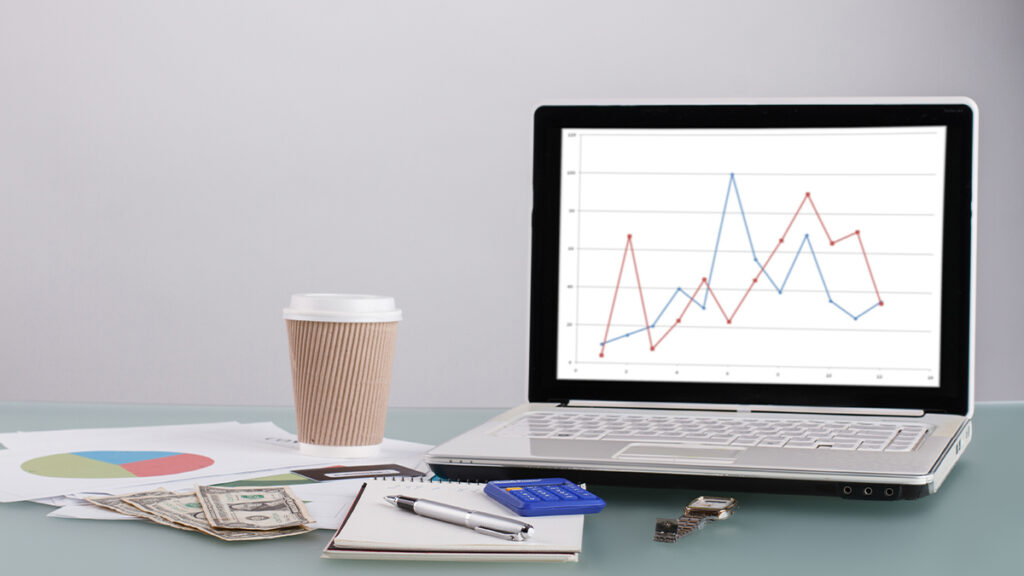
While analytics are powerful, too much data can overwhelm learners. Dashboards filled with complex graphs and numbers may discourage rather than motivate. Effective self-assessment tools need clean, intuitive interfaces that present data in clear, actionable ways.
Balancing Technology and Human Feedback
Automated self-assessment tools cannot fully replace the empathy and contextual guidance of instructors. The best systems balance technology with human interaction, allowing learners to receive both instant analytics-driven insights and more nuanced, supportive feedback from teachers.
Accessibility and Inclusivity
Not all learners have equal access to digital tools or high digital literacy. To ensure fairness, self-assessment platforms must be designed inclusively, with features like screen reader compatibility, multilingual support, and mobile-friendly design. Accessibility ensures that all learners benefit from analytics-driven self-assessment, not just those with the best resources.
Future Trends in Self-Assessment and E-Learning Analytics
Artificial Intelligence and Adaptive Learning
AI is revolutionizing self-assessment by creating adaptive systems that respond to learner behavior in real time. These platforms can detect when a learner is struggling and adjust the difficulty level or recommend additional resources automatically. Over time, AI may even provide predictive insights, flagging areas where learners are likely to struggle before problems arise.
Gamification and Motivation
Gamification is becoming central to modern self-assessment tools. By incorporating badges, leaderboards, progress trackers, and interactive challenges, platforms make the process fun and motivating. Analytics then reveal not just performance but also motivation trends, helping educators understand what drives persistence.
Integration with Lifelong Learning
As careers evolve rapidly, self-assessment tools are increasingly being used in corporate training and professional development. Employees can evaluate skills, track progress, and ensure they stay current in fast-changing industries. Over time, self-assessment will become a central feature of lifelong learning, helping individuals continuously reskill and upskill.
Focus on Well-Being and Soft Skills
The future of self-assessment may extend beyond academic or technical skills to include well-being, collaboration, and soft skills. Analytics could track stress indicators, teamwork behaviors, or self-confidence levels, helping both learners and organizations address holistic development needs. This reflects a broader understanding of education—not just about content mastery, but about preparing resilient, adaptive, and well-rounded individuals.
Conclusion
Self-assessment tools, especially when paired with e-learning analytics, are transforming the way learners and educators measure progress. They shift education from a passive process into an active, reflective, and data-driven journey. Through quizzes, simulations, reflections, and peer comparisons, learners gain autonomy, motivation, and personalized support, while institutions gain the insights they need to continuously improve course design and outcomes.
Challenges remain, including the risk of superficial engagement, data overload, and inequitable access. Yet these can be overcome through thoughtful design, clear interfaces, and a balance between automated feedback and human mentorship.
Looking ahead, as AI, gamification, and lifelong learning ecosystems continue to evolve, self-assessment tools will become even more powerful. They will not only measure cognitive knowledge but also support soft skills, well-being, and personal growth.
For learners, self-assessment with analytics is more than a feature—it is an invitation to take charge of their education. For educators and organizations, it represents a commitment to inclusivity, personalization, and continuous improvement. Together, they signal a future where digital education is not just accessible, but also deeply empowering and transformative.