Safety tips for solo remote workers traveling

Introduction
The dawn of remote work changed the lives of professionals in ways big and small. For the solo remote worker, the globe is no longer an office and a playpen — a mix of liberty, convenience, and exploration. In its place, however, comes a new responsibility: staying safe while at work and while solo traveling. You are the digital nomad moving from country to country, the freelancer trying out new city landscapes, or the remote worker extending the job in the air. Knowing how to stay safe becomes essential.
Safety for solo remote workers is more than safety from violence; it’s electronic safety, health safety, safety judgment, and safety of feelings. In an online age where online connection equals productivity, you have to combine openness with vigilance, spontaneity with planning. In this article, we’ll examine in-depth safety advice for solo remote workers moving from country to country — enabling you to take the adventure while keeping secure, connected, and assured.
Comprehending the Risk of Solo Remote Work Travel
A Way of Freedom and Exposure
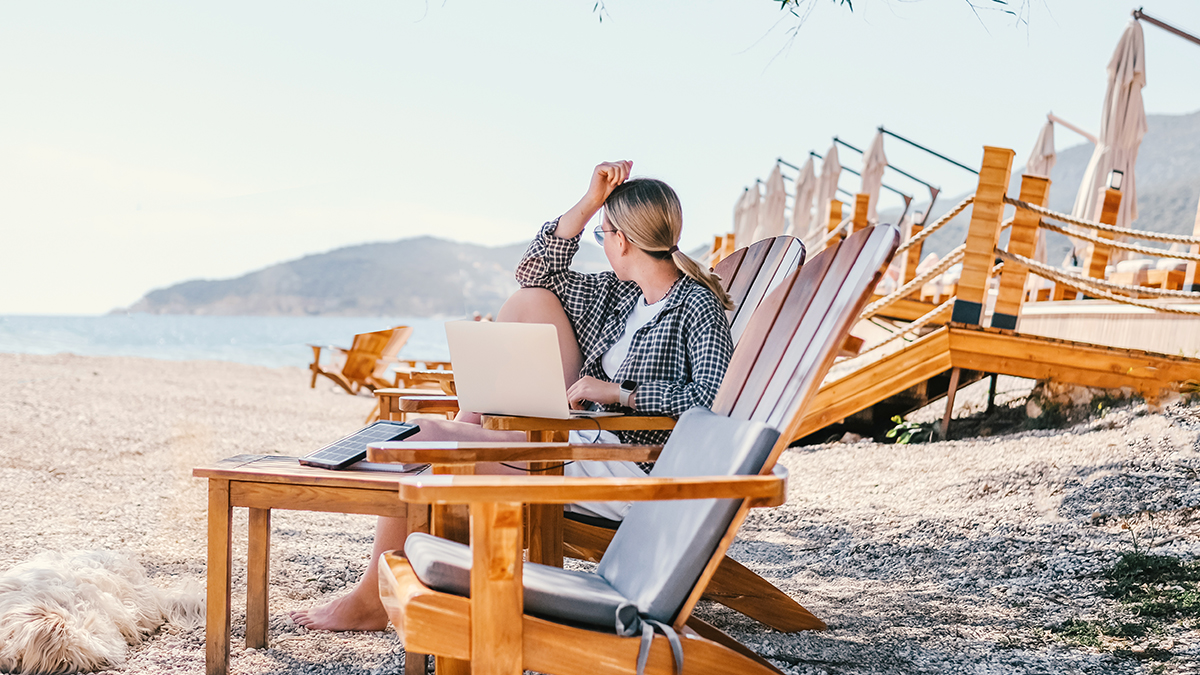
Solo remote work travels with an exhilaration and vulnerability all its own. On the one hand, you get to shape your lifestyle, select your destinations, and work at the beach, in the cafes, in the mountain towns. On the other, you lack the immediate backup systems. Solo in alien surroundings, you have no choice but to bank so heavily on awareness and preparedness.
Risks can stem from anywhere — from thievery and frauds to online breaches or unforeseen illnesses. Most telecommuters misjudge these perils since they connect travels with holidays. Yet travels and work mean increased diligence. You need to secure yourself and also your gadgets, files, and career reputation.
The Emergence of the Digital Nomad Generation
Recent research puts the number at more than 35 million worldwide — and growing since the pandemic. They are part of a thriving worldwide economy of freelancers, business builders, and telecommuting workers. But with more folks meeting them in the street with their laptops, crime and security issues trail behind. Like Bali, Lisbon, and Chiang Mai, the most popular places, which have reported spikes in street crimes, hacking, and even visa issues with foreign laborers.
Knowing these developing trends allows savvy solo remotes to move more intelligently. Prior to deciding where to go, one must investigate local laws, social norms, medical infrastructure, and net dependability — the foundations of safety and efficiency.
Preparing Before You Travel
Research Your Destination Thoroughly
Planning starts well in advance of boarding a flight. Lone travelers need to excavate all the minutest aspects of the desired location. Apart from travel guides, aim at knowing the local level of safety, scambaughts that are prevalent, the quality of healthcare, and local no-go zones. Websites with travel warnings, communities for remote workers, and local forums with expats can yield up-to-the-minute information.
Ask if the area is politically stable and how the crime rates are at the moment. Some places are famous for pickpocketing and visitor-specific fraud, while others are infamous for having dodgy public transport or language issues which may lead to confusion. The better you are prepared, the more you’ll feel in charge and confidence when you get there.
Keep Your Travel Documents and Insurance Safe
Passports, visas, and travel insurance are indispensable security gadgets for remote workers. Store electronic copies of your valuable papers in password-protected cloud drives or encrypted files. Thus, access remains possible in the event of loss or theft.
Just as important are inclusive travel insurances — not only medical emergencies but also lost equipment or cancelled trips. Some insurers now provide specific “digital nomad insurances” which cater also for remote work related incidents such as damaged laptops or accidental falls from the co-working space.
Plan for Connectivity and Backup Solutions
Since your survival is reliant on staying in contact, internet access should be high priority. Investigate SIM card deals, cellular hotspots, or eSIMs with good coverage in the area you plan on traveling. Look at utilizing a VPN (Virtual Private Network) as well in order to secure your online usage from hackers, particularly when utilizing public Wi-Fi at cafes or airports.
Multiple such connectivities can avert stressful conditions when deadlines are near. Keep store offline copies of essential files and keep your devices up and running with the current security fixes.
Digital Safety: Safety for Your Work and Identity
The Role of Cyber Hygiene along the Highway
Cybersecurity ranks among the most neglected aspects of solo remote work travels. Most remote workers access public Wi-Fi networks in a day, while being ignorant that such are breeding grounds for hackers. To remain secure, prioritize having a VPN in each connection — it encrypts your information and masks your location, making sensitive work info remain secure.
Allow two-factor authentication (2FA) for all high-priority accounts and refrain from logging in to financial sites on communal networks. Furthermore, employ password managers such as 1Password or Bitwarden to contain and create distinctive passwords per account.
Data Backup and Cloud Security
It can be tragic if you lose your laptop or external hard drive since you benefit from it in obtaining income. Make it a norm to back up your information in cloud storing systems like Google Drive, Dropbox, or iCloud. In this way, if a device get stolen or destroyed, your work shall remain accessible and protected.
For extremely secretive client information, employ encrypted storage programs or remote desktop access programs that let you work safely without keeping files locally. Periodically scan your device’s security settings so that no unwarranted permission exists.
Avoid Oversharing Online
Most solo travelers are guilty of broadcasting real-time travel updates on social media. What seems like innocent fun can actually put you in the crosshairs of thieves and stalkers because sharing your actual location can be a target inviting move. Make your updates after you have left someplace and don’t tag places in the midst of happening. Being private online is no less important than keeping your computers and phones secure.
Individual Safety During Solo Travel
Accommodation Safety Selection
Accommodation can spoil the whole experience of your travel — comfort-wise and security-wise. Search for authenticated options from sites such as Airbnb or Booking.com with high remarks regarding security aspects. Consider localities with closeable rooms, in-room safes, and secure access arrangements.
For longer-term stays, think about co-living or co-working arrangements specifically for remote workers. Most communities have increased security and an inherent social circle, helping to eradicate the loneliness and exposure inherent in solo travel.
Understanding Situational Awareness
No matter if you are walking a new city or walking to your job at a co-working location, situational awareness is your security defense. Do not walk alone at night in dimly lit streets and always listen to your gut. If it does not feel right, then it likely does not. Save emergency contact info, embassy info, and local police phone numbers in your phone and in writing.
Mingle with the local people as far as possible. Merging with the local people in clothes and learning simple local expressions can minimize unwarranted attention and gain goodwill among local people. Do not flash expensive equipment such as cameras or laptops in the streets, which can give a message of affluence and invite thievery.
Health and Wellness in Motion
Preserving physical and mental well-being while moving about is also a key element in safety. Independent remote workers routinely miss rest and nutrients in preference to irregular schedules and thrill with the adventure. Ensure regular meals, fluids, and sleeping enough so that you stay awake and hardy.
Bring a small first-aid kit and get used to local health-care available. Some hospitals demand payment up front in some countries, so travel insurance and having some emergency cash are essential.
Also important are mental health — lengthy stretches of solo travel can cause loneliness or burnout. Keep in contact with friends and family with frequent telephone calls and consider attending local meet-ups or online nomad groups in order to construct a support base.
Managing Funds and Emergency Scenarios
Financial Safety and Budget Management
During solo travel, your funds are your safety net. Carries with yourself at least three modes of payments like credit cards, debit cards, and electronic wallets. Never, ever carry large amounts in cash and prefer money belts or concealed wallets in emergencies for reserves.
Inform your bank of your travel plans to avoid account freezes and enable international transaction alerts. Many travelers use apps like Wise or Revolut for easy currency conversion and low-fee transfers.
Make an emergency budget plan — sufficient money for flight changes, lodging for a week, and medical emergencies. Money preparation reduces panic and allows you to react quickly in the face of the unforeseen.
Emergency Preparedness and Contingency Planning
Solo travelers should always plan B. Familiarize yourself with the location of the embassy or consulate for your country, and store emergency contact information for local police, hospitals, and insurers.
If you lose valuable property, call your embassy right away and report the loss locally in writing for documentation. Cloud backup copies of identification papers will simplify the process of replacing them.
To have a plan in case the worst happens — having a specific emergency communication plan, such as regularly checking in with a trusted individual — can be reassuring for you and your loved ones.
Shifting Gears: Balancing Work, Travel, and Safety
Adapting a Routine Overseas
Solo remote workers’ largest hurdle often times is balance. A scheduled routine does more than increase productivity, but also improves safety. Working from familiar spaces, having meals at well-known locations, and having routine-like habits keep you close to the ground and attentive to the environment.
Take time for exploration, but also schedule rest days in order to avoid exhaustion. Overwork or over-traveling are common pitfalls among remote workers who can lose the plot and become reckless with risky decisions. Defining clear work hours and downtime allows you to keep your mental clarity and situational awareness at all times.
Developing a Support Network in the Community
Even if you like being alone, having a local network is priceless. Attending co-working spaces, language classes, or community activities allows you to connect with reliable people who can provide advice and help. Most co-working centers also conduct safety briefings or share verified transport contacts.
Forming local relations can assist in coping with emergencies, discovering local secrets in complete safety, and understanding local habits — all improving your tour experience together with security.
The Mental State of Solo Traveling
Confidence, Independence, and Intuition
Solo traveling while working online breeds the height of independence, though it also needs emotional strength. Trusting your intuition is one of the safest bets. Intuition generally predicts danger sooner than reason does — whether it’s the wrong part of town or the wrong social interaction. Building confidence with small successes, such as communicating with local transportation or haggling over rent, creates feelings of control and security. Keep in mind that confidence is not cockiness — it’s prepared, aware, and flexible.
Overwhelmed by Loneliness and Social Exhaustion
Even though the liberty of independent travel can be thrilling, it can also cause weariness emotionally. Prolonged isolation from deep human contact can compromise decision-making and security. Fight loneliness by immersing yourself with local people, by joining interest groups, or living in shared living spaces where mingling comes easily.
Balance work online with work offline. Make mental well-being equal importance with productivity — after all, a clear head and calm demeanor are your greatest safety net when you’re hitting the roads in unknown lands.
Conclusion
Solo remote work lifestyle is the fantasy for thousands — the embodiment of freedom, originality, and exploration of cultures. However, beneath the romance there’s the key point: liberty needs responsibility. Safety and physical and electronic one too — the base that enables liberty.
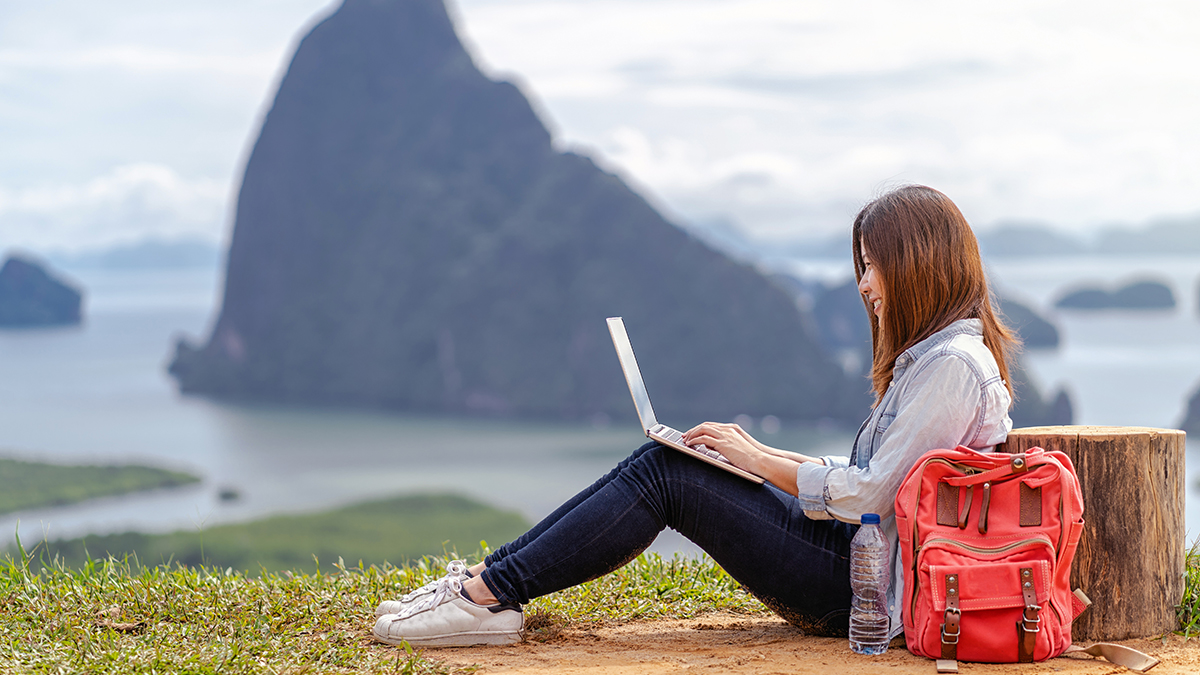
By educating yourself, staying vigilant, and shielding your online trail, you design a journey that’s not only adventurous, but sustainable and secure. From working from a busy Tokyo co-working space to a peaceful Portuguese beach, remember that each safety action you take lets you focus more on what really matters — your work, your growth, and your journey.