Marketing for vegan recipe bloggers via SEO

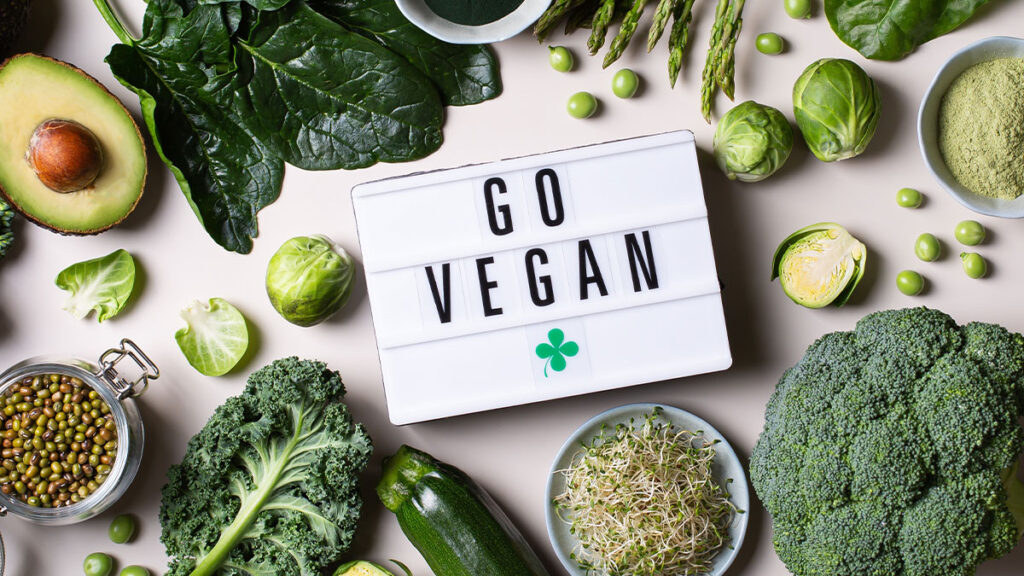
With the world getting more and more enthusiastic about plant-based dining, vegan recipe bloggers have forged an influential niche. With individuals becoming more intrigued about moral dining, environmental sensibility, and health-related lifestyles, consumer eyeballs are converging on the web for delicious and greenable meal inspiration. But with how many bloggers to compete against, it isn’t easy to get attention; it takes more than luscious recipes to be heard—it takes web presence through search engine optimization (SEO).
This article is an ultimate guide for vegan recipe bloggers—at any level, but particularly newbies—who want to tap into the power of SEO to increase their blog traffic, improve engagement, and develop loyal followers come 2025 and beyond.
Why SEO is Important for Vegan Recipe Bloggers
The Rise of Veganism and Competition for Content
The global market for veggie-focused menu items is hot and millions are searching for recipes compatible with their lifestyles. But for every enthusiastic eater posting their recipe for vegan brownies, there are hundreds posting theirs. Search engine keyword rankings are gatekeepers to survival these days. Your efforts must be visible on Google for them to be visible at all. Effective SEO places your recipes on search engine pages where intention-driven searchers—who type things like “easy vegan dinner ideas” or “soy-free vegan baking”—can easily find them. That intention shows such searchers are looking for exactly what you offer, and therefore traffic generated from SEO is among the highest quality you can possibly reach.
What SEO Offers That Social Media Can’t
Social media is important for community-building, but its impact is fleeting. That viral Instagram reel can give you a boost of engagement for a short period of time, but SEO offers you lasting discoverability. An optimally written blog post can rank on Google for months and possibly years and still pick up new readers every month—and possibly generate ad income or affiliate commissions—with minimal promotion required.
The Foundation of SEO for Vegan Bloggers: Keyword Research
Understanding Search Intent
Search intent is the ‘why’ behind search. Are people looking for inspiration (“vegan breakfast ideas”), advice (“how to make vegan cheese at home”), or comparison products (“best vegan protein powders for smoothies”)? Aligning your content with the right intent increases click-throughs and reader satisfaction—and both are very dear to search engines.
Utilize Tools to Find Winning Keywords
Use tools like Google Keyword Planner, Ubersuggest, Ahrefs, and SEMrush for finding high-volume, low-competition keywords for the niche for vegans. Longtail keywords are especially worth their cost for bloggers who post recipes. Instead of “vegan cookies,” for instance, aim for “oil-free vegan oatmeal cookies” or “3-ingredient vegan peanut butter cookies”—descriptive, more intent-specific, and much lower competition and therefore rankable.
2025 SEO Trends for Keywords
Some of the trendiest vegan search terms for 2025 are: “Plant-based meal prep for weight loss,” “High-protein vegan breakfast,” “Budget-friendly vegan recipes,” “Vegan recipes for kids,” and “Soy-free/gluten-free vegan meals.” Stay current with search trends on Google and search terms on Pinterest, which tend to provide user interest early before Google autocomplete.
On-Page SEO: Making Every Vegan Recipe Article Shine
Writing SEO-Friendly Titles
Your recipe name should be appealing and keyword-rich. A name like “The Best Vegan Chocolate Cake (No Oil, No Nuts!)” clearly states what the post offers, includes a long-tail keyword, and caters to special diet requests. Do not create generic titles like “You’ll Love This Cake”—they will not be search engine-friendly.
Meta Descriptions That Invite Clicks
Meta descriptions are your sales pitch. Under 160 characters, include your target keyword, and entice readers. For example: “Richly flavored and moist vegan chocolate cake that’s oil-free and totally irresistible. The ultimate showstopping dessert for every occasion!”
Heading and Body Text Organization
Use H1 for your post title, H2 for main sections and H3 for subpoints. Make your post scannable – search engines (and humans) like clarity.
Internal Linking for Enhanced Navigation
Crosslink to other associated entries on your blog–i.e., crosslink a post on how to make chocolate cake to your post on how to create vegan frosting or egg substitution. This maximizes time on site and shows topical authority to Google.
Image Optimization for Food Photographs
Always include descriptive alt text for images. An “IMG1234” image isn’t very helpful for search engine optimization, but “homemade vegan lentil soup served in a white bowl with fresh herbs” improves accessibility and aids ranking for image search results.
Technical SEO: Establishing the Right Digital Foundation
Mobile Optimization
Most recipe searching is done on mobile these days. Your site isn’t mobile-friendly—and therefore can’t adapt to changing screen sizes—you lose traffic and search ranking. Test and optimize for site responsiveness with tools like Google’s Mobile-Friendly Test.
Site Velocity and Core Web Vitals
In 2025, Google’s Core Web Vitals continue to favor user experience. Compressed image files, rapid hosting, and limited third-party scripts will keep loads under 3 seconds.
Secure and Accessible URLs
Use short, clean URLs with keywords and don’t use any additional number codes or dates. For example: www.yourblog.com/vegan-tiramisu instead of www.yourblog.com/blog?id=35&category=desserts. Make sure that your site has an SSL certificate such that your URL starts “https”—it boosts trust and ranking.
Content Strategy: Balancing Creativity and SEO
Writing for Humans First
While SEO is crucial, don’t ever forget your first loyalty is to your reader. Write conversationally, add personal experiences, describe recipe directions, and add pictures. Add SEO organically—not intrusively.
Evergreen vs. Seasonal Content
Evergreen pieces like “10 Vegan Pantry Staples” or “How to Replace Eggs for Vegan Baking” produce consistent traffic all year round. Seasonal pieces like “Vegan Thanksgiving Menu” or “Valentine’s Vegan Desserts” can produce sudden spurts at important times. It is both that will produce steady growth.
Updating Vintage Recipes
SEO isn’t complete when you post an article. Continue to keep updating old articles with improved keywords, improved images, or new guidelines. It increases older articles’ freshness and can improve rankings instantly.
Building Backlinks: Authority for Vegan Bloggers
Why Backlinks Matter
Backlinks—a link from another site to yours—is votes of confidence for Google. More good-quality backlinks will generate higher trust, which translates to higher rankings.
How to Recruit Them Legitimately
Guest posting: Write for popular vegan or food-related websites. Collaborations: Do co-blogs for series or round-ups for themed articles. Press mentions: Pitch your story to local news media or vegan mags if you’re creating something unique. Recipe roundups: Write or submit to roundup articles like “Top 10 Vegan Smoothie Bowls.” Leverage HARO (Help a Reporter Out) or platforms like Fublis to join journalists looking for experts on food-related articles.
Using Local and Niche SEO
Targeting Vegan-Friendly Cities and Regions
In niche locations like “Bangalore vegan recipes” or “sustainable Austin vegan catering,” optimize for local keywords and create articles on those keywords. Get listed on vegan directories and on Google Business if you also sell workshop, eBook, and face-to-face event products.
Optimizing for Voice Search
More people are using voice assistants to search for recipes. That includes longer and more natural search phrases like “how do I make vegan lasagna without tofu?” Add conversation-based wording and FAQs to articles to take advantage of this new trend.
The Overlap between Social Signal and SEO
Sharing for Boosting Indirect SEO
Even though social shares don’t directly impact ranking on Google, viral articles are shared and linked to more times. Create Pinterest-friendly images, use Instagram to promote pictures of recipes, and direct traffic back to your blog using clear CTAs.
Schema Markup for Recipe Posts
Add recipe schema markup for starred ratings, preparation time, and number of calories and you will enhance your blog listings and increase click-throughs. Plugins like WP Recipe Maker simplify things for WordPress bloggers.
Monetization and SEO Alignment
Advertising Revenue and Traffic Volume
SEO traffic comes first when you’re running ad networks like Mediavine or Raptive (formerly AdThrive) because those networks have session minimums and organic search is usually the most scalable and consistent source of traffic.
Affiliate Marketing for Vegan Bloggers
Ranked articles like “Top Vegan Cookbooks of 2025” or “Top Vegan Smoothie Blenders” can create affiliate income when adequately optimized. Make sure, though, to be clear and only promote items you genuinely endorse.
Creating an Email List from Organic Traffic
Use pop-ups or recipe card CTAs to offer downloadable meal plans or shopping guides for emails. Once someone subscribes to your list through an algorithm-free search-optimized post, you can develop an unfettered relationship that isn’t subject to Google or Instagram algorithms.
Conclusion: Long-Term Growth Plan for Vegan Bloggers Utilizing SEO
SEO isn’t any quick fix—it’s the long game that builds compounding returns. For vegan recipe bloggers, SEO is about putting your delicious, ethical recipes in front of more eyes looking for what you have to offer. From keyword research to mobile optimization, from backlink creation to evergreen articles—everything about SEO converges to power sustainable growth. As search trends evolve, be flexible. Evolve your strategies, monitor your analytics, and never stop creating for and about your audience. With solid SEO underpinnings, your vegan blog will compete, but it’ll flourish.