How to write product descriptions that sell


Introduction
In our frantic age of Internet commerce, consumers are bombarded with lists of merchandise, images, and pitches. When so many products sit waiting with a click of a mouse, a product’s chances of earning notice—and translating it into a sale—often rest with the power of your product description. Something beyond words, a strong product description is a virtual salesperson: it informs, it convinces, it wins trust, it inspires. As eCommerce competition persists unabated, being a professional in writing product description copy that sells is no longer optional—it’s a requirement.
Where many depend so much on images and pricing, words make a big difference. Pretty product photographs may entice buyers in one way, but it is the wording that sells them. It gives them answers that they seek, records their objections, and evokes passion. Use poorly constructed or stock-sounding words, however, and they’ll confuse them and make them distrust them. Ironically, they’ll also punish you in your searches and make you seem unprofessional.
This article explores nuanced strategies for writing product descriptions that don’t simply describe—but sell. From defining your ideal customer to taking advantage of SEO best practices and storytelling strategies, we’ll look at how to transform bland descriptions into conversion-generating copy that resonates with people as much as with algorithms.
Understanding the Role of a Product Description
Prior to putting pen to paper on crafting a highly-converting product description, it’s critical that you understand its true role in the customer journey. A product description isn’t simply a case of listing features or specs—it’s about taking those specs and making them tangible benefits that map onto your customer’s desires, needs, or aspirations.
Good copy also gives an answer to a customer’s unspoken doubts: “Why do I need this? How does it fulfill a need for me? Do I trust this brand?” And especially without a touch-and-hold encounter, your product copy is a stand-in for a store sales associate. It must foresee doubts, create imagination, give enough info to instill confidence—all with concision that’s also scannable.
Additionally, product descriptions hold a determining position with respect to SEO. SEO-optimized content enables search engines to identify what your page is about so that it has a greater possibility of ranking for targeted keywords. However, SEO must never be done in exchange for clarity or a readable tone. The most effective descriptions achieve a subtle harmony between keyword incorporation along with effective storytelling.
Knowing Your Target Public
Writing with Buyer Intent in Mind
One of the most common mistakes businesses make when they’re writing product descriptions is writing for everyone—which logically means writing for no one. To create descriptions that truly sell, you must first know who your ideal customer is and write specifically to their interests, motives, and decision-making habits.
Ask yourself: Who is this product for? How does their day go? What value do they hold dear? A sustainable kitchenware-seeking technology-savvy millennial needs a vastly different tone, lexicon, and benefit emphasis than does a luxury consumer who is purchasing a designer handbag.
The more accurate your audience persona, the easier it is to choose words, strengths, and emotional motivators that make them feel like they’re being understood. Speak in a voice that’s typical of your brand yet also reflects how your customer speaks. Cheeky and informal? Precise and formal? Excitable and trend-related? Changing up your vocabulary makes a significant difference in how natural—and effective—your descriptions sound.
Writing Persuasive and Benefits-Focused Content
Repositioning Features as Emotional Benefits
Listing attributes of a product as material, size, or weight is imperative, yet attributes never make people buy themselves. It is how they believe attributes will improve their life that makes them buy it. This is where benefit-driven writing makes its impact.
Rather than merely stating a travel mug is “double-walled stainless steel,” highlight how it “keeps your coffee piping hot for up to 8 hours—so you can power through meetings without a microwave run.” This revision transforms a mere technical truth into a usable everyday benefit that connects with the user on an emotional level.
Good product copy spends less time telling people what it is than telling them what it does for them. It evokes strong mental imagery, stimulates senses, and makes a clear connection between customer need and value.
Sparking Interest with Storytelling
Humans also react to storytelling. Even in eCommerce, a short story or scenario that people can relate to can create an emotional hook that makes your product stand out. Rather than simply say that a pack is tough and waterproof, say it this way: “Designed for urban adventures and rain-filled days, this pack’s got your back—literally. If you’re dodging crowds on the subway or cruising in a drizzle, your gear is kept dry and secure.”
Stories allow people to envision themselves with the product so that that fancied sense of ownership makes it a reality. They can even align with brand beliefs such as being sustainable, being made with craftsmanship, or being adventurous. The more that you create an emotional connection from product to customer, the greater your chances of conversion.
Writing for Search Engines without Losing Your Voice
Including SEO Keywords Organically
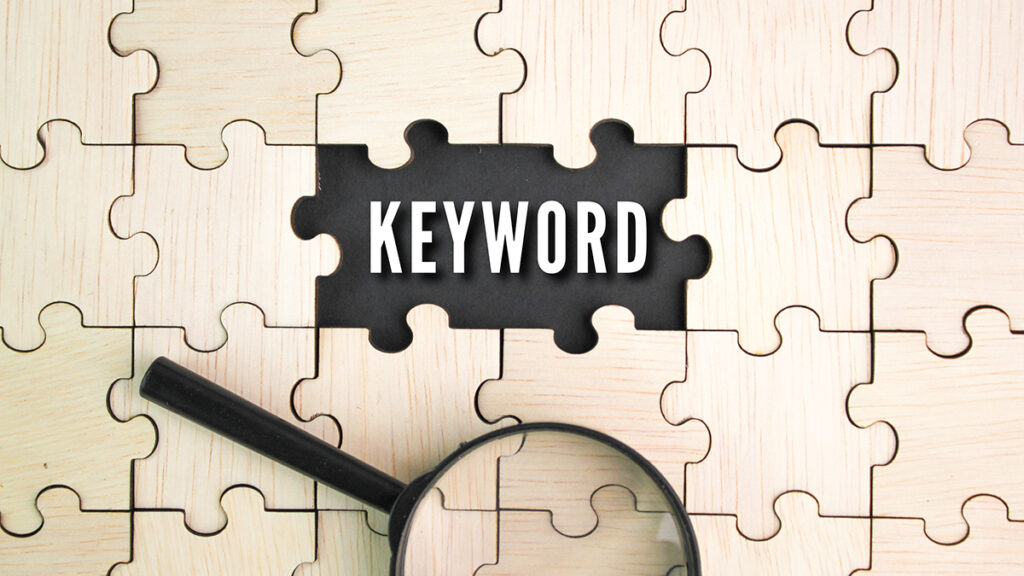
Search engine optimization is an important aspect of composing product descriptions if you want organic listing displays. But keyword stuffing, or forcing in phrases, can be more hurtful than helpful. A much better approach is to ensure that you’re putting natural-looking keywords in the flow of content.
Identify keywords that potential buyers for you actively seek out, such as “organic cotton baby onesie” or “wireless noise-canceling headphones.” Make them appear in the name of your product, in the first few sentences of your description, and also naturally within body copy.
You may also need to rank for long-tail keywords that are usually more descriptive with a higher purchase intention. A good example is “ergonomic office chair for lower back support,” which is more descriptive than “office chair.” Use Ahrefs, SEMrush, or Google Keyword Planner for finding long-tail high-intent keywords with limited competition that you rank for according to your product strengths.
Enhancing Discoverability with Metadata and Tags
Aside from the body of the description, make sure that even your product titles, meta descriptions, and alt tags for images are optimized for SEO. They tell search engines what your product is all about and improve the possibility of being discovered through either image search or featured snippets.
Never forget the human reader. A top-ranked description that fails to convert is a lost sale. Use SEO as a way to an end—to be seen by your audience—but make storytelling and value-based content close the sale.
Organizing Product Descriptions for Clarity and Conversion
Hooking with a Strong First Line
Your product description’s initial sentence is a hook. It must capture interest in a split second and give a customer a reason to continue reading. Think of it as a headline—it must be attention-getting, conclusive, and benefit-centric.
Do not start with generic remarks like “This t-shirt is made from 100% cotton,” for instance. Try something more catchy than that: “Your new favorite tee—soft, breathable, and made to last through every wash and wear.” A good intro includes a tone setter that ensures that your reader does not bounce off while reading critical information.
Using Formatting Strategically
Although long paragraphs can tell stories, web shoppers skim. It’s simple to read tiny, consumable bites if you break up your product description. Use bold subtitles, short sentences, and occasional line divisions to guide the reader along with your copy.
Some sites also allow expandable bullet-point summaries or expandable tabs. These should supplement—but not replace—the story. You must reach both groups of buyers: deep readers and skimmers.
Make sure that you end with a gentle call to action. Do not make hard sales pitches; rather, use sentences that restate the benefit or urgency: “Order now with free express shipping,” or “Add to cart now and get comfortable feet you deserve.”
Applying Social Proof and Credibility
Adding Testimonials and Reviews
People believe peer reviews more than they believe brand touts. Inclusion of customer reviews, star ratings, or brief summaries within or close to the product description will be more credible. When a customer sees that “hundreds of satisfied customers rave about quality and comfort,” trust is increased while doubts are decreased.
Make sure that the social proof is targeted and accurate. A “love it” comment does not tell much, while a “the stretchable straps make it suitable for long treks without back pain” comment specifically confirms your arguments for a product.
Emphasizing Certifications and Guarantees
If it’s been certified organic, cruelty-free, FDA-approved, or has any other reputable standards that you’re familiar with, include it in your description. It not only makes people trust you more but also fulfills searches looking for exactly that spec.
Additionally, a money-back guarantee, free trial offer, or warranty terms can break down indecision and close a sale. Use this section to put any remaining doubts to rest by guaranteeing the customer that they’re taking a risk-free decision.
Testing, Analyzing, Improving with Time
Even the most finely tuned product descriptions must be tested and refined. A/B testing different versions of your product description—e.g., varying up the welcome sentence, call to action, or benefit highlighted—can assist with determining what will work best with your audience. Make use of software such as Google Optimize or in-built analytics on platforms like Shopify to monitor engagement as much as conversion rates.
Keep track of bounce rates, time spent on product pages, and cart abandonment. If a product has lots of clicks with minimal purchase action, there could be a lack of clarity, urgency, or credibility in your copy. Constant rewriting and optimization of product copy keeps you competitive and responsive to changing customer behavior.
Conclusion
Describing products that sell is both a science and an art. It requires an intimate understanding of who your customer is, a mastery of convincing storytelling, and a keen sense of search engine optimization. It’s not simply a question of cataloging what a product does—it’s a question of exposing what it does for your customer’s life. The most effective descriptions marry logic with emotional resonance, both speaking to the rational as well as intuitive dimensions of the buying decision.
Against a backdrop of crowded digital markets with a sea of choices competing for consumer consideration, effective product copy is that differentiator that converts a potential browser into a repeat customer. But by emphasizing benefit rather than feature, writing with conviction and clarity, and matching voice with customer value, you’ll be able to turn your product descriptions into effective conversion tools.
By continued testing, SEO optimization, and honest storytelling, your product posts can do more than inform—they can encourage action. And in eCommerce, that sells.