How to Manage Stress Through Lifestyle Changes


Introduction: Smoothies Crafted for Purpose
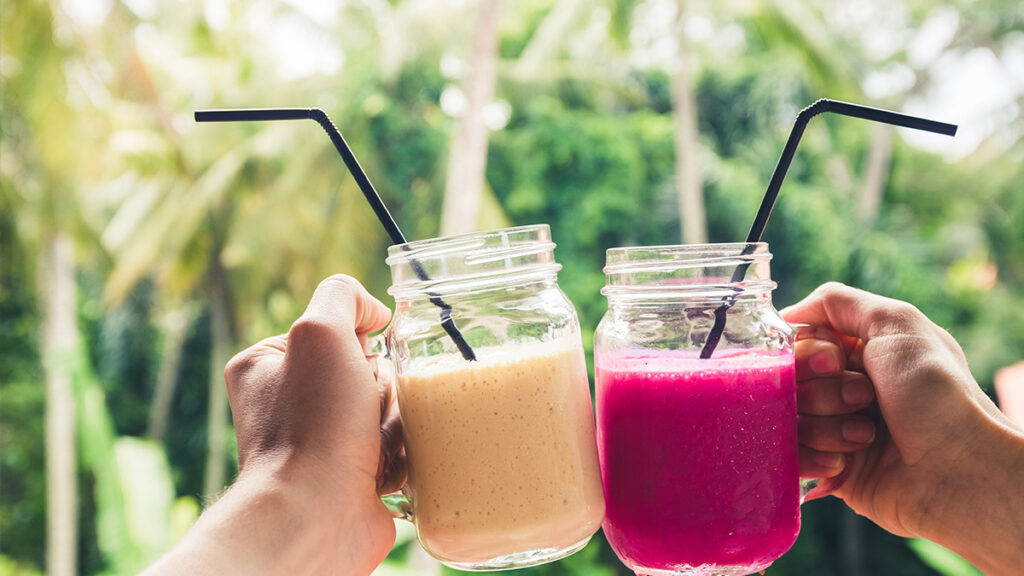
Smoothies have come a long way from being just a quick sweet breakfast fix or post-gym indulgence. In recent years—and especially in 2025—they’ve evolved into highly intentional, nutrient-balanced blends tailored to support specific wellness goals. Whether you’re trying to recover after a workout, keep hunger at bay, boost brainpower, or soothe digestive discomfort, a thoughtfully designed smoothie can become your personalized health ally.
Their versatility is what makes them so powerful. In a single jar, you can pack in leafy greens, antioxidant-rich fruits, protein, probiotics, fiber, and healthy fats. You can create something light and refreshing or thick and filling. The secret isn’t just throwing ingredients into a blender—it’s building each smoothie with balance and purpose.
Nutritionists today emphasize that the composition of your smoothie matters as much as the flavor. The right ratio of macronutrients, coupled with nutrient-dense whole foods, can make the difference between a sugar-laden calorie bomb and a functional drink that fuels your body and mind all day long.
The Science and Art Behind Effective Smoothie Crafting
Beyond the Basics: A Nutrient-Dense Canvas
Smoothies are popular because they make it easy to combine a wide variety of whole foods into one delicious, easy-to-consume package. A base of fruits and vegetables provides vitamins, minerals, and antioxidants, while extras like seeds, nuts, and yogurt add protein, fiber, and healthy fats. But it’s equally easy to tip the balance in the wrong direction.
A smoothie that’s overly heavy on fruit juice or sweetened yogurt can spike blood sugar and leave you hungry shortly after drinking it. The art lies in balancing natural sugars with protein and fiber to create sustained energy and satiety. Think of your smoothie as a complete meal in a glass, not just a sweet snack.
Aligning Ingredients with Specific Goals
In 2025, dietitians and wellness experts often treat smoothies as functional nutrition tools rather than just beverages. By tailoring ingredients to a specific purpose—such as boosting muscle repair, supporting digestion, or aiding weight loss—you can elevate a simple drink into a targeted wellness strategy.
This intentionality is key. A post-workout smoothie might feature fast-absorbing protein and quick carbohydrates, while a gut-friendly blend might focus on fermented dairy or plant-based probiotics, leafy greens, and anti-inflammatory spices. When you match the formula to your needs, you get better results and more enjoyment.
Smoothies Aligned to Diverse Health Goals
Muscle Recovery and Strength
If you’re regularly exercising—especially doing resistance or endurance training—your muscles need protein and carbs to repair and grow. A recovery smoothie should aim for 20–30 grams of protein paired with a moderate dose of carbohydrates for glycogen replenishment.
A creamy banana-almond smoothie with whey or pea protein powder, unsweetened almond milk, a spoonful of almond butter, and a sprinkle of hemp seeds is both delicious and effective. The protein helps rebuild muscle tissue, the carbs restore energy, and the healthy fats keep you satisfied longer. Coconut water is an excellent addition for electrolytes lost through sweat.
Energy, Vitality, and Morning Boost
Some mornings call for more than coffee. For sustained energy, combine leafy greens, berries, a source of healthy fat, and hydrating liquid. Blueberries and strawberries bring antioxidants for brain health, while avocado adds creaminess and healthy fats that slow digestion, preventing energy crashes.
A vibrant “green and berry” blend with spinach, blueberries, coconut milk, chia seeds, and a touch of cinnamon not only fuels your body but also enhances focus. The balance of micronutrients, fiber, and slow-release energy makes it perfect for busy mornings.
Weight Management and Satiety
Smoothies for weight management should focus on low-calorie density while still delivering plenty of nutrients. That means prioritizing high-fiber vegetables and fruits, lean protein, and just enough healthy fat to keep hunger in check.
A spinach-berry-oat smoothie with flaxseed offers fiber and omega-3s to keep you full, while unsweetened Greek yogurt provides protein without excess sugar. Avoid fruit juices and sweetened dairy, and instead use whole fruit for natural sweetness.
Gut Support and Inflammation Calm
If digestive health is a priority, probiotics and anti-inflammatory ingredients should be front and center. Kefir, yogurt, kombucha, or plant-based probiotic powders pair beautifully with high-fiber fruits like kiwi, pears, and berries. Add a handful of spinach or kale for extra micronutrients and anti-inflammatory benefits.
A kiwi-kefir-coconut yogurt smoothie topped with chia seeds offers a blend of soluble fiber, live cultures, and healthy fats that can soothe digestion and improve gut microbiome diversity. Turmeric, ginger, or beetroot can also help reduce inflammation.
Daily Breakfast Fuel and Habit-Forming Nutrition
For those who want a consistent, healthy start to every day, a simple, versatile smoothie routine can make mornings effortless. You can rotate between a strawberry-banana-spinach blend one day, a cherry-spinach-ginger blend the next, and a chocolate-banana protein smoothie when you’re craving something richer.
Batch-prepping smoothie ingredients—pre-measuring fruit, greens, and seeds into freezer bags—can cut morning prep time to under two minutes. The result is a habit that’s easy to maintain and supports overall health.
Making Smoothies Work for You: Practical Insights
Building Your Personalized Smoothie Formula
A balanced smoothie generally includes:
- Base: Unsweetened almond milk, oat milk, coconut water, or yogurt.
- Produce: Leafy greens, berries, bananas, or other fruits/veggies.
- Protein: Protein powder, Greek yogurt, silken tofu, or nut butter.
- Healthy fats: Avocado, nuts, seeds, or nut butter.
- Boosters: Spices, adaptogens, probiotics, or superfoods like cacao or matcha.
Rotating your ingredients keeps both flavor and nutrient profile fresh, ensuring you don’t get stuck in a nutritional rut.
Avoiding Common Pitfalls
A common mistake is treating smoothies like unlimited-calorie “health” drinks. Loading up with multiple servings of fruit, juice, sweetened yogurt, or flavored protein powders can result in more sugar than a can of soda. Portion control matters—especially with calorie-dense ingredients like nut butters or coconut cream.
Another trap is relying solely on smoothies for meals. While they can be nutrient-packed, whole foods with chewing action help maintain digestion and satiety cues.
Smart Use of Powders and Store-Bought Ingredients
Protein powders can be useful—particularly for athletes or those with higher protein needs—but quality is critical. Choose powders with minimal ingredients, no artificial sweeteners, and clear labeling.
Be cautious with store-bought smoothie mixes or pre-made bottles, which often contain added sugars, stabilizers, or preservatives. If convenience is important, look for refrigerated or frozen blends with only whole, recognizable ingredients.
Sample Smoothie Journey: A Week of Purposeful Sips
Imagine beginning your week with a gut-friendly kiwi-yogurt smoothie rich in probiotics and vitamin C. Midweek, you fuel up with a blueberry-peach blend packed with antioxidants and plant protein for mental clarity. By Friday, you’re rewarding your muscles with a decadent chocolate-banana protein smoothie after your workout.
Over the weekend, you refresh with a spinach-ginger-green smoothie to reset your system and reduce inflammation before starting the cycle again. Each smoothie serves a purpose, aligning with your body’s needs at different times.
Conclusion: Smoothies That Serve Your Intent
A smoothie can be far more than a colorful drink—it can be a functional, goal-oriented nutrition tool. When built with balance and tailored to your needs, it supports everything from recovery and energy to digestion and weight management.
The key is intentionality: knowing your purpose, selecting ingredients that serve it, and blending with both flavor and function in mind. In the end, the best smoothie is the one that not only tastes amazing but also leaves you feeling nourished, energized, and ready to take on your day.