How to Invest in Gold and Precious Metals

Introduction: Why Precious Metals Still Matter
In times of economic uncertainty, few assets hold the kind of mystique and resilience that gold and other precious metals do. While stocks rise and fall, currencies lose value, and entire markets shift overnight, gold has stood as a symbol of wealth and stability for centuries. In 2025, with inflation concerns, geopolitical tensions, and market volatility on the rise, more investors are turning to metals like gold, silver, platinum, and palladium as a way to safeguard their portfolios.
But owning gold—or any precious metal—is not just about buying a shiny coin and hoping for the best. It’s about understanding when and how these assets can serve as protection against financial upheaval, and choosing the right form of investment to match your goals. This guide walks through the reasons metals are still relevant, the different ways to invest in them, and how to build a smart strategy that balances safety with opportunity.
Why Consider Gold and Precious Metals Now?
A Hedge Against Inflation and Uncertainty
Gold and silver have always had a reputation as safe havens. When inflation erodes the value of money or the stock market takes a dive, precious metals often hold their ground—or even rise. While the correlation between inflation and gold isn’t perfect in the short term, over the long run, gold has consistently outperformed fiat currencies and preserved purchasing power.
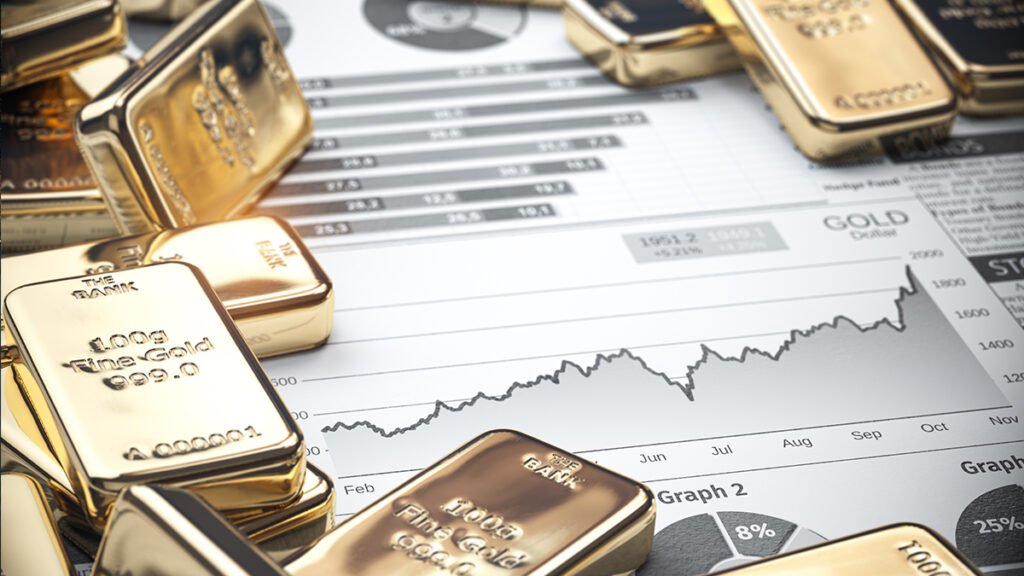
In 2025, gold prices have surged more than 25% during a period when many traditional asset classes struggled. Silver, too, has seen major gains, thanks to its industrial demand and reputation as a “poor man’s gold.” For many investors, this recent performance underscores why metals deserve a place in any diversified portfolio.
Global Demand Keeps Growing
Demand for gold isn’t just coming from individual investors. Central banks around the world have been accumulating gold at a record pace, especially in countries like China and India. According to the World Gold Council, global investment demand jumped 78% year-over-year—driven by bar and coin purchases, ETF inflows, and sovereign accumulation.
Silver has also enjoyed rising demand, particularly in industrial sectors like solar energy and electric vehicles. In India, booming infrastructure and clean energy projects have helped lift silver prices significantly. These trends suggest precious metals remain not just symbolic stores of value, but assets with real, growing demand.
Ways to Invest in Precious Metals
Owning Physical Bullion
Buying physical gold—bars or coins—is the most straightforward form of precious metal investing. Coins like the American Gold Eagle or the Canadian Maple Leaf are popular among retail investors because they’re widely recognized and, in some regions, exempt from capital gains tax if held as legal tender.
If you prefer not to store metals at home, many investors opt for vaulted gold, which is securely stored and insured by a third-party provider. The advantage? You still own physical metal, but don’t have to worry about security or insurance yourself.
Keep in mind, physical metals come with storage costs and dealer premiums. Liquidity can also be slower compared to digital assets. Still, for many, the peace of mind of owning tangible gold or silver is worth it.
ETFs and Exchange-Traded Products
If you’re looking for convenience, gold ETFs like SPDR Gold Shares (GLD) or iShares Gold Trust (IAU) offer easy access to gold prices through your brokerage account. These funds are backed by physical gold and track spot prices closely. They’re highly liquid and ideal for those who want exposure without physical delivery.
There are also ETFs that cover silver (SLV), platinum, or even a basket of precious metals (GLTR). These offer exposure to multiple metals in one trade and come with relatively low fees—though it’s worth noting that expense ratios and management costs do slightly erode returns over time.
Mining Stocks and Mutual Funds
Another indirect way to gain exposure is through gold mining companies. These stocks tend to outperform gold during bull markets because their profits expand as prices rise. However, they also carry more risk due to operational challenges, geopolitical issues, and fluctuating production costs.
To reduce company-specific risk, many investors choose mining-focused mutual funds or ETFs, which hold diversified portfolios of miners. In 2025, many of these funds have outperformed the metal itself, offering growth potential for those willing to accept more volatility.
Futures, Options, and Derivatives
For experienced traders, futures and options on precious metals can offer leveraged exposure. These instruments allow you to bet on price movements over short periods, but they also come with significant risks, including the potential for margin calls and rapid losses. These are not recommended for beginners and should only be used as part of a well-informed, active trading strategy.
Things to Consider Before Investing
How Much Should You Allocate?
Most financial advisors recommend that precious metals make up 5% to 15% of a well-diversified portfolio. The idea isn’t to chase returns, but to create a hedge that performs well when other assets don’t. In periods of market stress, that 10% allocation to gold could help offset losses elsewhere.
Your ideal allocation depends on your risk tolerance, investment horizon, and reason for investing. If you’re looking for long-term wealth preservation, a heavier weight in gold might be warranted. If you’re after speculative growth, silver or mining stocks could make more sense.
Understanding Tax Treatment and Costs
Tax implications vary by country. In the U.S., for example, gold is considered a collectible and may be taxed at a 28% long-term capital gains rate. In contrast, certain gold coins or bullion in Europe may be exempt from VAT or CGT if they meet purity and legal tender requirements.
Physical bullion often comes with premiums above spot prices, along with storage and insurance fees. ETFs charge management fees (usually under 0.50%), and mining stocks carry standard equity risk. Be sure to understand all associated costs and taxes before committing funds.
Liquidity and Trust in Your Provider
ETFs and mining stocks offer high liquidity, making them ideal for short- or medium-term plays. Physical bullion, however, may take more time to sell and requires finding a reputable dealer.
If you’re buying physical metals, always verify that you’re dealing with a certified provider who offers insured, audited storage. Look for products and partners that meet London Bullion Market Association (LBMA) standards to ensure quality and ethical sourcing.
What Are the Differences Between Metals?
Gold: The Classic Hedge
Gold is mostly used for jewelry and as a monetary asset. Its price is influenced by inflation, interest rates, and investor sentiment rather than industrial demand. It’s the most stable of the metals and typically moves inversely to the U.S. dollar.
Silver: Part Precious, Part Industrial
Silver is more volatile than gold because of its large industrial demand—from solar panels to electronics. While it behaves like gold during economic uncertainty, it can also rally during periods of strong global growth. This dual role makes it attractive but more unpredictable.
Platinum and Palladium: Specialized Plays
These metals are used heavily in automotive manufacturing and are more sensitive to shifts in industry trends and regulation. They’re also less accessible to retail investors and often come with wider bid-ask spreads and fewer ETF options. For most investors, they should be considered secondary options rather than core holdings.
How to Build a Smart Metals Strategy
Step 1: Know Your Goals
Start by identifying why you’re investing in metals. Are you protecting against inflation? Diversifying your portfolio? Looking for short-term trades? Your strategy will depend on the answers.
Step 2: Pick the Right Investment Vehicle
For long-term security, physical bullion might be best. For ease and liquidity, ETFs or mutual funds are ideal. For growth, consider a blend that includes mining equities.
Step 3: Allocate Thoughtfully
Don’t go all in. A thoughtful allocation—maybe 10% in gold ETFs, 3% in silver, and 2% in mining stocks—can provide balance without overexposing your portfolio.
Step 4: Factor in Taxes and Fees
Be strategic about which accounts you use (e.g., tax-deferred accounts for high-gain investments), and understand the cost structure of your holdings. Keep detailed records for any future tax filings.
Step 5: Monitor and Adjust
Economic conditions change. Keep an eye on inflation, central bank activity, and commodity prices. Rebalance your metals exposure just as you would with any other asset class.
Risks and Drawbacks to Keep in Mind
No Passive Income
Precious metals don’t generate income like stocks or bonds. They’re strictly a capital appreciation play, which means you need price growth to make money.
Short-Term Volatility
Prices can swing wildly—especially silver and mining stocks. Investors need to be prepared for large drawdowns during calm economic periods.
Storage and Security Concerns
If you own physical metal, you’ll need to store it safely. That could mean a home safe, a bank deposit box, or professional vaulting—all of which come with costs and logistics.
Overconcentration Risk
Going all-in on metals may leave you vulnerable during bull markets in other asset classes. Balance is key: metals should complement, not dominate, your portfolio.
Conclusion: A Time-Tested Tool for Modern Investors
Gold and precious metals aren’t flashy. They don’t promise explosive growth or deliver quarterly dividends. But what they do offer—stability, diversification, and protection in uncertain times—is as valuable today as it was centuries ago.
As 2025 continues to unfold with global shifts in politics, energy, and finance, precious metals remain a powerful hedge against chaos. Whether you invest through bullion, ETFs, or miners, your success will depend not on guessing market timing, but on building a measured, informed, and disciplined plan.
Used wisely, gold and its metallic counterparts won’t just preserve your wealth—they’ll strengthen your entire financial strategy. In an age of rapid change, that kind of resilience is worth its weight in gold.