How to Build Courage and Take Risks


Introduction
Every great achievement in history, from groundbreaking scientific discoveries to daring artistic innovations, has been driven by one essential quality: courage. At its heart, courage is not the absence of fear, but the willingness to face it head-on. To build courage and take risks means embracing uncertainty, stepping beyond comfort zones, and allowing growth to emerge through challenge and change.
In today’s competitive and fast-paced world, the ability to take risks is more valuable than ever. Whether it’s launching a new business, changing careers, speaking up for one’s beliefs, or pursuing a passion, risk-taking is inseparable from progress. Yet many people remain paralyzed by fear—fear of failure, rejection, or loss. The good news is that courage can be cultivated. It is not a rare trait reserved for a select few but a skill that can be strengthened through awareness, consistent practice, and persistence.
This article explores how to build courage and take risks in sustainable and practical ways. By examining the psychology of fear, learning from real-world examples, and adopting specific mindset shifts and habits, anyone can turn fear into fuel and transform uncertainty into opportunity.
Understanding Courage and Risk
What Courage Really Means
Courage is often misunderstood as fearlessness, but in truth, it is the act of moving forward despite fear. Psychologists describe courage as a balance between fear and action, where an individual acknowledges risk but chooses to act anyway. Courage takes many forms—emotional courage might mean being vulnerable in relationships, while professional courage could involve pitching a bold idea at work.
What makes courage particularly powerful is its ripple effect. A single act of bravery can inspire others, encouraging families, workplaces, and communities to embrace risks of their own. Courage begets courage, creating environments where growth and innovation flourish.
The Nature of Risk
Risk is woven into life itself. Every meaningful decision involves some level of uncertainty, whether emotional, financial, or social. Taking risks does not mean being reckless. It requires assessing potential outcomes, preparing for challenges, and accepting that setbacks may happen. Crucially, risk-taking is not about seeking danger for its own sake—it is about creating opportunities for growth. By venturing into the unknown, people uncover strengths and possibilities that would otherwise remain hidden.
The Psychology of Fear and Resistance
Why Fear Holds Us Back
Fear is deeply rooted in human survival instincts. Evolution shaped the brain to avoid danger, making risk-taking naturally uncomfortable. Today, fear is less about physical threats and more about psychological and social risks—fear of failure, embarrassment, or rejection. Yet the brain often interprets these modern fears with the same intensity as life-threatening ones.
As a result, many avoid discomfort and miss out on opportunities. They stay in unfulfilling jobs, silence their voices, or dismiss their dreams, all to maintain perceived safety. Recognizing fear as a protective mechanism—not an absolute truth—is the first step toward courage.
The Comfort Zone Dilemma
The comfort zone provides safety but limits growth. Within its boundaries, life feels predictable, but opportunities for challenge and expansion are scarce. While it temporarily reduces anxiety, it also fosters stagnation. Real growth happens in the stretch zone—the space just beyond comfort where manageable risks exist. Learning to step gradually into this zone is essential for cultivating courage.
Cultivating a Courageous Mindset
Redefining Failure
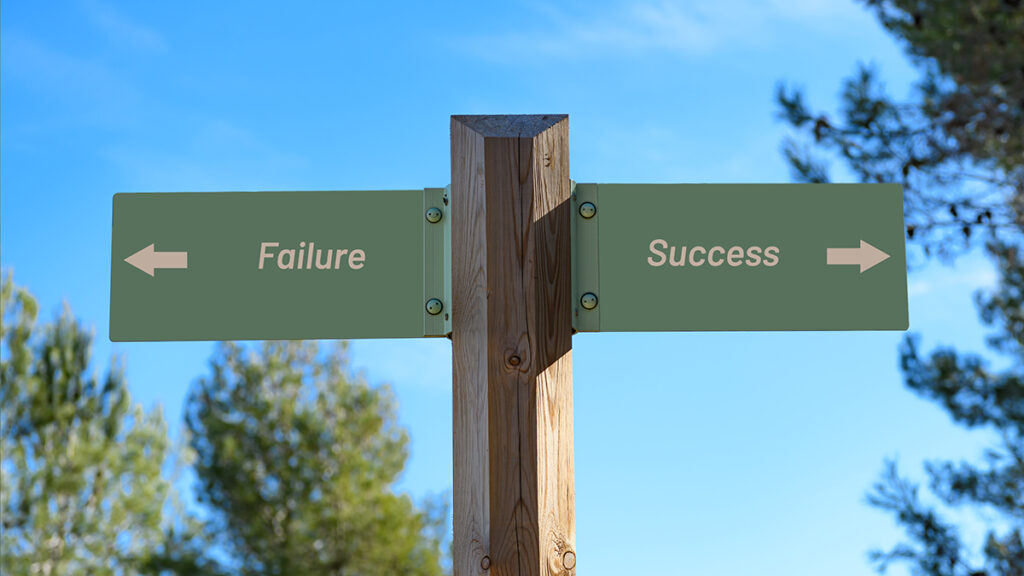
Fear of failure is one of the most significant obstacles to risk-taking. But failure is rarely final—it is often a stepping stone toward success. Innovators and leaders alike credit their achievements to lessons learned through setbacks. By reframing failure as feedback rather than defeat, individuals can see mistakes as valuable data for improvement.
When failure is seen as part of progress, the fear around it lessens. This shift transforms hesitation into curiosity and encourages experimentation, resilience, and adaptability.
Building Self-Belief
Courage grows from confidence. Believing in one’s capacity to adapt and recover makes facing uncertainty less daunting. Self-belief does not mean overestimating abilities but trusting that challenges can be navigated. Small victories reinforce this belief. Each act of bravery, no matter how minor, builds momentum, eventually creating a foundation for tackling greater risks.
Visualizing Success
Visualization is a powerful psychological tool for building courage. By imagining scenarios where risks lead to positive outcomes, the brain becomes familiar with success. This reduces anxiety and prepares the body for action. When combined with preparation, visualization bridges the gap between intention and execution, making challenges feel less intimidating.
Practical Strategies for Building Courage
Starting Small and Building Momentum
Like a muscle, courage strengthens with consistent exercise. Beginning with small acts—initiating a difficult conversation, trying a new activity, or setting a personal boundary—builds momentum. Each success stretches the comfort zone, making bigger risks less overwhelming. Gradual exposure ensures sustainable growth without unnecessary stress.
Surrounding Yourself with Supportive People
Social environments play a significant role in fostering courage. Being surrounded by supportive friends, mentors, or peers provides reassurance, perspective, and accountability. Conversely, environments filled with negativity or criticism drain confidence. Choosing to engage with communities that celebrate growth and encourage experimentation makes risk-taking more manageable and rewarding.
Practicing Mindfulness and Emotional Regulation
Fear intensifies when left unchecked. Mindfulness practices such as meditation, deep breathing, or journaling help individuals observe fear without being consumed by it. Emotional regulation techniques encourage calm decision-making, reduce impulsivity, and foster clarity. By learning to stay present and tolerate discomfort, people become more resilient when facing risks.
Real-Life Applications of Courage and Risk-Taking
Personal Growth and Relationships
In personal life, courage often means embracing vulnerability—expressing emotions, setting boundaries, or addressing conflict. While these acts feel risky, they often strengthen relationships and deepen intimacy. Pursuing passions, traveling alone, or learning new skills also requires courage, but the rewards enrich life immeasurably.
Professional Development and Career Advancement
In careers, courage might involve pitching bold ideas, requesting promotions, or switching paths entirely. Entrepreneurs frequently attribute their breakthroughs to taking risks others feared—quitting stable jobs, pursuing unconventional concepts, or entering untested markets. While not all risks result in immediate success, each attempt builds resilience, knowledge, and confidence for future endeavors.
Social Change and Leadership
History shows that social progress is fueled by courageous individuals challenging norms. Leaders such as Martin Luther King Jr. and Malala Yousafzai exemplify how acts of bravery ripple outward, inspiring collective transformation. On smaller scales, speaking against injustice, promoting inclusion, or volunteering in challenging contexts all reflect the power of courage to strengthen communities.
Long-Term Strategies for Sustaining Courage
Developing a Growth-Oriented Identity
Sustaining courage requires adopting a growth mindset. Seeing oneself as a lifelong learner makes risks feel like opportunities rather than threats. Progress becomes more important than perfection, and setbacks are reframed as part of the process. Identifying as someone who embraces risk for growth reinforces courageous behavior consistently.
Reflecting on Past Achievements
Reflection strengthens courage by reminding individuals of past successes. Reviewing challenges once feared but later conquered builds confidence in future abilities. Journaling or keeping records of courageous acts creates a personal narrative of resilience and strength, reinforcing self-belief over time.
Embracing Uncertainty as a Constant
Uncertainty is inevitable. Instead of resisting it, courageous individuals accept it as part of life. By trusting in their ability to adapt and grow, they transform fear of the unknown into openness to possibility. This acceptance makes risk-taking less intimidating and more rewarding.
The Transformative Power of Courage
Building courage and taking risks has far-reaching effects on personal identity, career success, and societal impact. Courage liberates individuals from fear’s grip, enabling them to pursue authentic and purposeful lives. It shifts focus from avoidance to action, from comfort to possibility.
Repeatedly facing risks also builds resilience. Each setback proves survivable, each challenge overcome strengthens resolve. This resilience not only fuels personal growth but also inspires others, creating ripple effects that encourage communities to embrace change.
Ultimately, courage is not about eliminating fear but about acting alongside it. It is the choice to prioritize growth over stagnation, opportunity over regret, and authenticity over conformity.
Conclusion
Learning how to build courage and take risks is among the most transformative journeys a person can undertake. Fear, comfort zones, and uncertainty may appear immovable, but with awareness, practice, and persistence, they can be overcome. By redefining failure, cultivating self-belief, starting small, and leaning on supportive communities, courage becomes less a rare act and more a daily habit.
When guided by intention and resilience, risk-taking opens doors to fulfillment, advancement, and progress. Each step outside the comfort zone expands horizons and enriches life with new experiences, lessons, and opportunities. Choosing courage not only shapes individual destinies but also inspires others to follow.
In the end, courage is not reserved for extraordinary moments. It is found in everyday decisions—the choice to speak up, to try something new, or to pursue a dream despite uncertainty. Each act of bravery, no matter how small, makes the world a place of greater possibility, resilience, and hope.