How Big Tech Is Reshaping the AI Landscape


Introduction: The Pivotal Role of Big Tech in AI Development
Artificial intelligence (AI) has evolved from a specialized academic discipline into a foundational technology that now underpins transformation across nearly every industry and society. Driving this sweeping shift are the world’s largest technology firms—commonly referred to as Big Tech. Companies like Google, Microsoft, Amazon, Meta (formerly Facebook), and Apple have become the central architects of the AI revolution, shaping the tools, systems, and ethical conversations that define its present and future.
These tech giants wield extraordinary resources: massive datasets, vast computing infrastructure, and deep pools of technical talent. Such assets enable them to push the limits of what AI can do, from revolutionizing consumer experiences to streamlining enterprise operations. However, their growing influence also sparks critical debates around market competition, equitable access, privacy, and the role of regulation.
This article explores the defining role of Big Tech in the global AI landscape, delving into their technological breakthroughs, strategic priorities, ecosystem-wide impacts, and the profound implications their actions hold for the future of artificial intelligence.
The Technological Powerhouses: Big Tech’s AI Innovations
Google’s AI Leadership and Research Excellence
Google, operating under its parent company Alphabet, has established itself as a dominant force in AI through a mix of groundbreaking research and ubiquitous product integration. Its open-source machine learning framework, TensorFlow, has become a global standard, empowering millions of developers and researchers to build sophisticated AI models.
Internally, Google Brain and DeepMind have driven some of the most celebrated AI advancements of the last decade. Breakthroughs in natural language processing, including BERT and PaLM, have reshaped how search engines and voice assistants operate. Meanwhile, DeepMind’s achievements—from mastering games like Go to predicting protein structures—have demonstrated AI’s reach far beyond traditional tech domains.
Google’s cloud offerings include a suite of AI-powered tools tailored for businesses, and its integration of AI into services like Google Assistant, Translate, and Search exemplifies how deeply embedded AI has become in the digital experience. Google strikes a balance between open research and productization, maintaining its role as both a pioneer and enabler of global AI innovation.
Microsoft’s Strategic AI Investments and Azure Integration
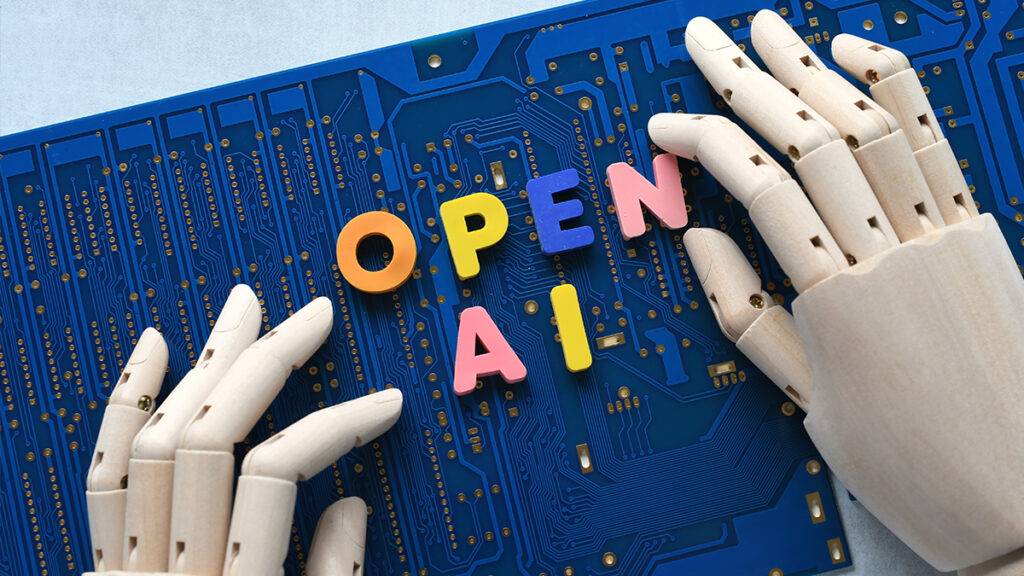
Microsoft has significantly deepened its AI footprint in recent years, largely through the strategic expansion of its Azure cloud platform and its high-profile partnership with OpenAI. This collaboration has led to the integration of advanced GPT models across Microsoft products—from Office and Outlook to Dynamics and GitHub Copilot.
Microsoft’s AI strategy centers on enhancing enterprise productivity and accessibility. Through services like Power Platform, the company promotes low-code and no-code AI development, allowing organizations without deep technical expertise to automate workflows, analyze data, and engage customers in smarter ways.
Additionally, Microsoft plays a visible role in AI ethics and responsible AI development. It actively promotes fairness, accountability, and transparency in AI systems, setting a tone for industry-wide dialogue on the importance of AI governance.
Amazon’s AI in Cloud and Consumer Services
Amazon leverages AI in two primary arenas: optimizing its core business operations and leading AI innovation through Amazon Web Services (AWS). Within its retail and logistics empire, AI is deeply embedded in everything from inventory management and delivery routing to fraud prevention and customer personalization.
Through AWS, Amazon provides some of the most comprehensive AI and machine learning infrastructure in the market. Services like SageMaker allow developers to train, test, and deploy machine learning models at scale. Alexa, Amazon’s widely adopted voice assistant, showcases the company’s commitment to making conversational AI a part of everyday life.
Amazon’s strength lies in its pragmatic approach to AI—scaling it effectively to meet operational demands while offering powerful tools to external developers and businesses.
Meta’s AI Ambitions and the Metaverse Vision
Meta Platforms has invested heavily in AI research and infrastructure as part of its long-term strategy to power social interactions and immersive digital environments. AI underpins Meta’s core platforms, driving everything from feed curation and recommendation algorithms to automated moderation and real-time translation.
Meta’s AI research unit, FAIR (Facebook AI Research), is known for publishing influential work in fields such as self-supervised learning and multimodal models. This foundational research supports the company’s broader ambitions in building the metaverse—a digitally interconnected space where AI will facilitate virtual collaboration, learning, and entertainment.
Despite ongoing challenges related to misinformation, content governance, and public trust, Meta’s expansive vision ensures that AI remains a central pillar in its future-facing initiatives.
Apple’s Focus on Privacy-Preserving AI
Apple takes a unique stance within Big Tech, prioritizing privacy-preserving AI that enhances user experiences without compromising data security. The company’s AI contributions often manifest through tightly integrated hardware and software—seen in innovations like Face ID, on-device Siri processing, and computational photography in the iPhone’s camera.
Apple’s emphasis on on-device machine learning and techniques like differential privacy demonstrates a commitment to aligning AI innovation with consumer trust. Unlike its peers, Apple rarely touts large-scale AI research projects publicly but focuses instead on delivering AI-enhanced experiences within its ecosystem.
This approach reflects Apple’s broader brand philosophy—showing that AI can be leveraged effectively even under strict privacy constraints.
Business Strategies: Monetization and Market Expansion
Platform Ecosystems and AI Integration
Big Tech companies have seamlessly woven AI into their ecosystems, making it a key driver of engagement, productivity, and monetization. Whether it’s Google enhancing search results with AI summaries, Microsoft embedding intelligent assistance in Excel and Word, or Amazon refining product recommendations, AI amplifies the value of their platforms.
This integration creates powerful network effects. The more users engage with AI-powered features, the more data is generated, which in turn improves the underlying models—further entrenching user dependence. These dynamics make switching between ecosystems harder for consumers and businesses alike, reinforcing Big Tech’s market positions.
Investment in Startups and Research Collaborations
To stay ahead of emerging trends, Big Tech consistently invests in AI startups and academic partnerships. Google Ventures, Microsoft’s M12, and Amazon’s Alexa Fund have all backed AI-focused companies that align with their long-term goals. These investments not only expand innovation pipelines but also provide early access to disruptive technologies.
Additionally, joint research initiatives with universities help these companies tap into academic talent while advancing fundamental AI science. By sponsoring fellowships, hosting conferences, and participating in open-source projects, Big Tech fosters an ecosystem where cutting-edge ideas and applications can flourish.
Ecosystem Impacts and Industry Disruption
Enabling AI Democratization
Big Tech has played a significant role in lowering the barriers to AI adoption. Through their cloud platforms—Google Cloud, Azure, and AWS—they provide accessible machine learning tools, pre-trained models, and user-friendly APIs. These services empower startups, researchers, and enterprises around the world to integrate AI without building systems from scratch.
This democratization has accelerated AI uptake across a range of industries, from precision agriculture and predictive healthcare to automated manufacturing and financial services. However, access to these tools still favors organizations with capital and connectivity, raising concerns about global AI equity.
Setting Industry Standards and Ethical Norms
Given their influence, Big Tech companies often shape the technical and ethical standards for AI. Their research papers, open-source contributions, and policy frameworks help define industry best practices around fairness, bias mitigation, transparency, and accountability.
Microsoft’s responsible AI principles, Google’s AI ethics guidelines, and Apple’s privacy-first design set benchmarks that are widely adopted or emulated. Through participation in international governance bodies and standards organizations, these companies help influence how AI is regulated globally.
Yet their dual role—as both rule-makers and market participants—raises concerns about conflicts of interest and the need for external oversight.
Challenges and Controversies Surrounding Big Tech’s AI Role
Data Privacy and Security Concerns
As stewards of enormous amounts of user data, Big Tech faces increasing scrutiny around privacy. Many AI systems depend on behavioral data for training, which can blur the lines between personalization and surveillance. Questions of consent, algorithmic transparency, and data governance remain contentious.
Laws such as Europe’s GDPR and California’s CCPA are forcing these companies to rethink how they collect, store, and utilize data. In response, many are developing more privacy-preserving techniques—but public skepticism and regulatory pressure continue to grow.
Market Dominance and Competition Issues
With their scale, resources, and proprietary data access, Big Tech’s AI arms race often outpaces what smaller players can match. This can create an uneven playing field where startups struggle to innovate independently or are absorbed into larger ecosystems through acquisition.
Antitrust investigations in the U.S., EU, and elsewhere highlight growing concerns about the consolidation of AI power. Policymakers are increasingly weighing how to maintain competition, encourage innovation, and protect consumer interests in an AI-driven digital economy.
The Future: Big Tech’s Continuing Influence and Emerging Trends
Advances in Multimodal and Generative AI
Big Tech continues to lead the charge in developing AI systems that understand and generate not just text, but also images, video, audio, and code. These multimodal models open the door to a new generation of applications—from AI design assistants and video editors to immersive digital companions.
Generative AI, particularly large language models and diffusion-based image generators, has become central to product development strategies across companies. These models promise creative productivity tools but also pose new risks related to misinformation, content authenticity, and IP rights.
Sustainability and Ethical AI Development
As AI systems grow in complexity and energy consumption, Big Tech is beginning to reckon with the environmental costs. Efforts are underway to build more efficient models, reduce training compute requirements, and power data centers with renewable energy.
At the same time, ethical development—covering fairness, inclusivity, and algorithmic transparency—is becoming a cornerstone of responsible innovation. Big Tech’s ability to lead in these areas will shape not just public trust, but also regulatory frameworks and global adoption rates.
Conclusion: Big Tech as Architects of the AI Era
There is no denying that Big Tech has become the architect of modern AI. Through their vast resources, deep research capabilities, and integrated platforms, they’ve accelerated the development and deployment of AI technologies at a scale previously unimaginable. Their innovations shape how billions of people interact with information, make decisions, and navigate the digital world.
Yet with great influence comes great responsibility. These companies now face the challenge of balancing market dominance with ethical stewardship, commercial ambition with public good. The path they choose—and the policies that govern them—will determine whether AI fulfills its promise as a force for global empowerment or becomes a tool of consolidation and control.
For businesses, developers, regulators, and everyday users, understanding Big Tech’s role in AI isn’t optional—it’s essential. Because how these companies navigate the next phase of AI development will help define not just the future of technology, but the future of society itself.