Flipped classroom digital tools

Introduction
Education is undergoing a transformation that is reshaping how teachers teach and how students learn. For centuries, the traditional model dominated classrooms: teachers stood at the front, delivered lectures, and students absorbed the content passively, often memorizing facts for exams. While effective in some contexts, this model frequently left little room for engagement, collaboration, or higher-order thinking skills. In recent years, however, one of the most significant shifts has emerged in the form of the flipped classroom.
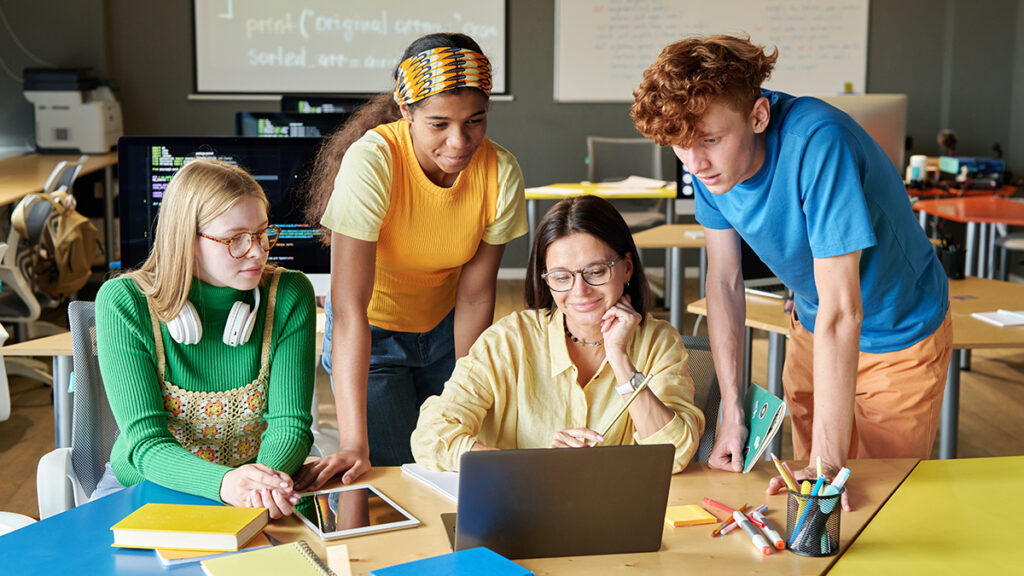
In a flipped classroom, students encounter instructional material outside the classroom—through videos, readings, podcasts, or interactive online modules—and then use valuable classroom time for active learning activities. Instead of passively listening to a lecture, they engage in group discussions, solve problems collaboratively, and apply knowledge to real-world scenarios. This approach effectively reverses the traditional flow of instruction, turning classrooms into spaces of application rather than simple transmission.
At the heart of this model are digital tools. These tools are the backbone of flipped learning because they enable teachers to deliver content beyond classroom walls, assess understanding before class begins, and foster collaboration when students come together. From video platforms to collaborative whiteboards and data analytics systems, digital technologies make flipped learning possible at scale. The true effectiveness of this model rests on how thoughtfully educators integrate these tools into pedagogy.
This article explores the digital tools that make flipped classrooms successful. It examines their functions, highlights how they enhance engagement and outcomes, discusses challenges of adoption, and looks toward the future of technology in flipped learning environments.
Understanding the Flipped Classroom
What Makes the Flipped Model Different
The flipped classroom represents more than just a rearrangement of when students encounter content. It redefines roles. Teachers no longer act solely as the primary transmitters of knowledge; instead, they become facilitators, coaches, and guides. Students, meanwhile, are empowered to take more responsibility for their own learning.
When students arrive in class already familiar with basic concepts, class time is freed for deeper, more meaningful work. Rather than listening to a lecture on the Pythagorean theorem, for example, students may spend the lesson working on real-world geometry problems, debating strategies, or applying the concept in projects. This model emphasizes critical thinking, collaboration, and creativity over rote memorization.
Digital tools are essential to this process. They allow teachers to distribute instructional materials outside the classroom in formats that are engaging, flexible, and accessible. Tools also provide ways to hold students accountable for preparation and ensure teachers know where learners are struggling before class begins. Without such technologies, the flipped model would be difficult to implement effectively.
Why Digital Tools Are Central to Success
In flipped learning, simply assigning a textbook chapter for homework is not enough. Teachers need to be confident that students have engaged with the material and understood key points before class activities. Digital tools address this by providing analytics, automation, and interactive features that create accountability.
For students, digital platforms offer control. They can pause and replay videos, reread difficult passages, or review quizzes multiple times until they understand. This self-paced flexibility makes learning more inclusive, especially for students with diverse learning styles or those balancing multiple responsibilities.
In essence, digital tools are not optional add-ons—they are the foundation that makes flipped classrooms possible and scalable.
Categories of Flipped Classroom Digital Tools
Content Delivery Platforms
One of the most common elements of flipped classrooms is the use of videos. Platforms such as Edpuzzle, Panopto, and YouTube for Education allow teachers to either create their own lectures or curate high-quality resources. Importantly, these platforms often include features that allow teachers to embed questions directly within videos, ensuring that students engage actively rather than watching passively.
Beyond video, platforms like Google Classroom, Schoology, or Moodle act as centralized hubs. Teachers can distribute readings, podcasts, or multimedia resources while organizing assignments and communication in one place. By creating a structured, accessible repository, these platforms make it easier for students to navigate pre-class preparation.
Assessment and Feedback Tools
A key principle of the flipped classroom is knowing what students understand before they walk into class. Digital assessment tools like Kahoot!, Quizizz, and Socrative provide interactive quizzes and polls that give immediate feedback to both learners and teachers. This feedback allows teachers to identify misconceptions early and tailor classroom activities accordingly.
Learning management systems (LMS) often integrate these assessment features with broader progress-tracking tools. Teachers can see how students perform over time, while students benefit from constant feedback loops that build accountability.
Collaboration and Communication Tools
Flipped classrooms thrive on collaboration. Tools like Padlet, Miro, and Jamboard allow students to brainstorm, co-create digital boards, and annotate ideas in real time. Communication platforms such as Slack, Microsoft Teams, and Zoom breakout rooms extend these discussions, enabling group projects, peer-to-peer learning, and extended conversations outside scheduled hours.
The combination of synchronous and asynchronous communication creates a community of learners where collaboration is not confined to the classroom walls.
Active Learning and Engagement Tools
Inside the classroom, active learning becomes the focus. Platforms like Nearpod and Pear Deck transform presentations into interactive experiences by embedding polls, quizzes, and discussions into slides. Digital whiteboards and simulation tools bring hands-on, experiential learning to life, allowing students to manipulate models, explore scenarios, and test ideas in a safe space.
These tools ensure that classroom time is not wasted on passive listening but devoted to application, experimentation, and problem-solving.
Advantages of Using Digital Tools in Flipped Classrooms
Flexibility and Accessibility
Digital tools empower students to learn at their own pace, revisiting content whenever needed. For learners balancing school with work, family, or other responsibilities, this flexibility makes education more inclusive and manageable. Flipped classrooms also cater to different learning styles by offering a variety of media formats—videos for visual learners, podcasts for auditory learners, and interactive exercises for kinesthetic learners.
Greater Engagement and Participation
Because students engage with foundational content beforehand, they arrive in class prepared to participate. Tools that embed quizzes, polls, or discussion prompts transform learning into an active, participatory process. As a result, classroom time is characterized by deeper engagement, richer dialogue, and more meaningful collaboration.
Data-Driven Teaching
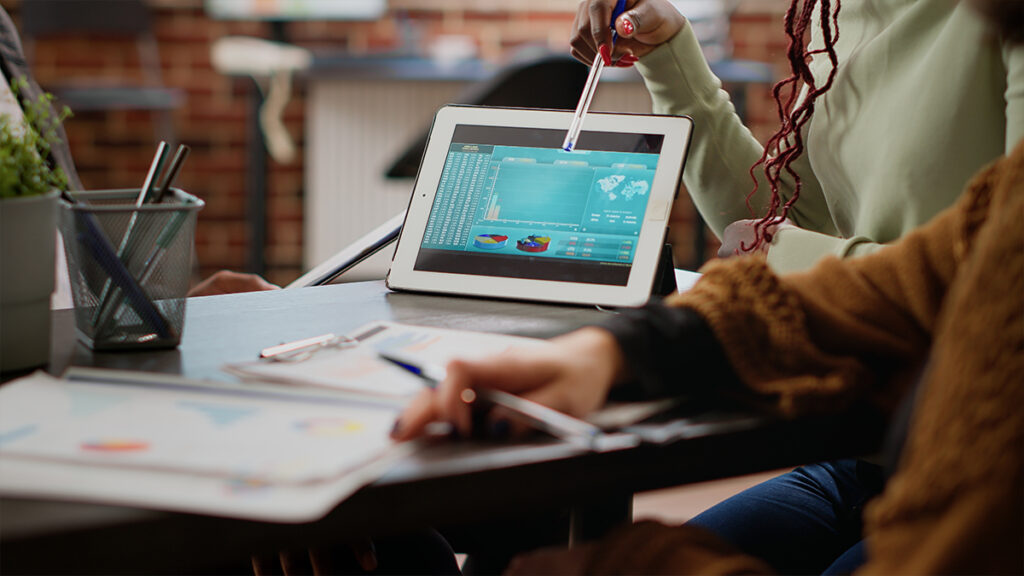
Digital tools generate analytics that give teachers powerful insights. Educators can see who accessed materials, how long they spent, and where they struggled. This allows for evidence-based instruction, targeted interventions, and adaptive teaching strategies that respond directly to student needs.
Improved Student Outcomes
When used effectively, flipped classrooms supported by digital tools lead to stronger outcomes. Research shows that students in flipped settings often demonstrate higher retention, stronger problem-solving abilities, and deeper understanding. The combination of pre-class preparation and in-class application ensures that knowledge is both acquired and practiced, leading to long-term mastery.
Challenges of Implementing Digital Tools in Flipped Learning
Equity and Access Issues
Not all students have equal access to reliable internet or personal devices. For flipped classrooms to succeed, institutions must address the digital divide, ensuring that technology enhances equity rather than widening gaps. Without equitable access, students who lack resources risk being left behind.
Teacher Training and Workload
For educators, transitioning to a flipped model requires significant effort. Designing video lectures, learning new platforms, and restructuring lessons is time-intensive. Without adequate professional development and institutional support, teachers may feel overwhelmed. Sustainable adoption depends on training, collaboration, and resources that ease this transition.
Balancing Technology with Pedagogy
Technology should support pedagogy, not drive it. An overload of apps and platforms can confuse students and dilute learning goals. Teachers must carefully select tools that align with objectives and focus on quality over quantity to ensure meaningful integration.
Data Privacy and Security
Because digital tools collect detailed student data, privacy and security are critical. Institutions must comply with regulations such as FERPA or GDPR, safeguard information, and maintain transparency about how data is used. Building trust is essential for long-term success.
The Future of Flipped Classroom Digital Tools
Artificial Intelligence and Personalization
The next frontier for flipped learning lies in AI-powered personalization. Intelligent systems will analyze learning patterns and recommend tailored resources, adaptive quizzes, and practice exercises. Virtual tutors powered by AI may eventually provide real-time one-on-one guidance, complementing teacher facilitation.
Immersive and Experiential Learning
The integration of augmented reality (AR) and virtual reality (VR) promises to make flipped classrooms even more engaging. Students may explore a 3D human body before class, then apply their knowledge in group medical case studies during class. Immersive simulations will bring abstract concepts to life and make learning memorable.
Greater Integration with Learning Analytics
Future flipped classrooms will leverage predictive analytics to forecast student performance and intervene earlier. Institutions may also aggregate data to refine curricula, improving course design based on evidence rather than tradition.
Expanding Access Through Open Resources
The growth of open educational resources (OER) will democratize flipped learning further. Free repositories of videos, lesson plans, and collaborative tools will allow educators globally to adopt the model without prohibitive costs, making innovation accessible to all.
Conclusion
The flipped classroom represents a profound reimagining of teaching and learning. At its core, it shifts the classroom from a space of passive listening to one of active engagement, collaboration, and application. Digital tools are the enablers of this transformation. They deliver content beyond the classroom, assess comprehension before lessons begin, and foster interactive, student-centered learning during class time.
The advantages are clear: flexibility, engagement, data-driven teaching, and stronger learning outcomes. Yet challenges remain, particularly around equity, teacher readiness, and the need to balance technology with pedagogy. These issues must be addressed to ensure that flipped classrooms achieve their full potential.
Looking ahead, advances in AI, immersive technologies, and open resources promise to expand the possibilities of flipped learning even further. As these tools continue to evolve, they will not only support flipped classrooms but redefine classrooms themselves, creating spaces of transformative, inclusive, and lifelong learning.