Digital marketing for boutique hotels under budget

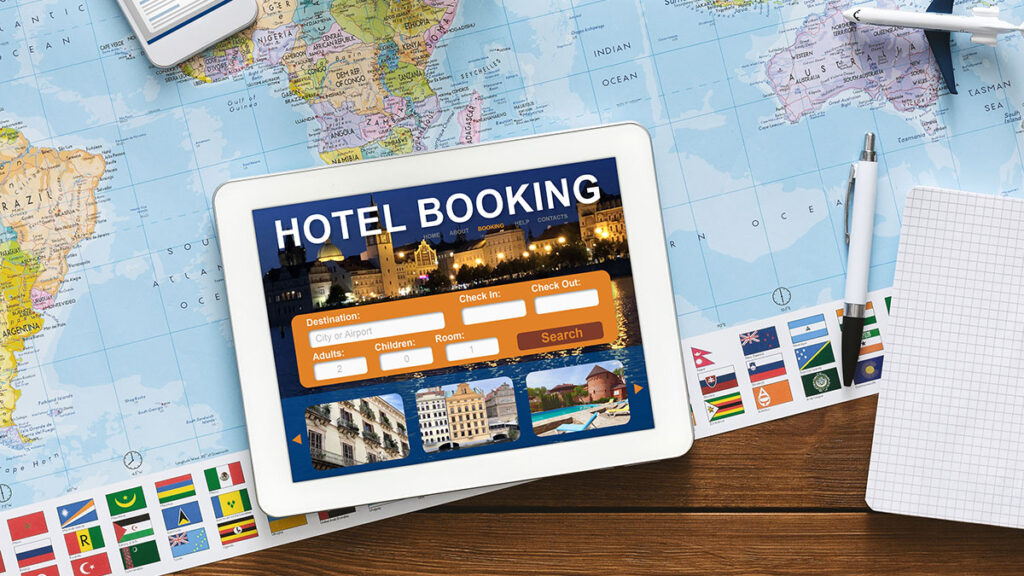
Boutique hotels’ challenge in the competitive hospitality sector is rising above corporate giants of significant resources and still maintaining their personality, uniqueness, and distinctiveness. Boutique hotels are budget-constrained on marketing, and therefore, they are required to be creative, innovative, and street-smart on digital avenues. Fortunately, 2025’s digital world offers unprecedented options for boutique hotels to punch higher than their class—if only where and how to deploy resources.
This guide explores an integrated digital marketing plan for lean-budgeted boutique hotels. It provides practical-world solutions, from using content marketing and search engine optimization to becoming an authority on low-budget social media and local search. With this guide, you can, as a hotel owner, manager, or digital marketing advisor, create awareness, generate direct bookings, and build an unforgettable web presence for your brand.
The Importance of Digital Marketing for Boutique Hotels
The modern traveler will increasingly reserve a room after consulting the internet. From internet search and Instagram keywords to TripAdvisor commentary and hotel websites, the virtual world is increasingly becoming an early—and sometimes only—point of interaction for the guest experience. Boutique hotels, which are generally celebrated for their unique themes and individuality, are compelled to translate such individuality into an effective cyber presence.
Successful digital marketing is more than just room fillings; it develops loyal customers, boosts brand recognition, and drives direct bookings, which reduce reliance on OTAs (Online Travel Agencies) and their potentially lucrative commission fees.
Building a Strong Digital Foundation
Hotel Website Optimization for Conversions
The web site for your hotel is your virtual store front. It must not only be an extension of the personality of the hotel but also mobile-enabled, quick-loading, and easy to use. An inexpensive but effective web site would include professional photography, clear calls to action, trust elements (like guest testimonials), and user-friendly booking engines.
SEO is non-negotiable. Do keyword research via Google Keyword Planner or Ubersuggest and target keywords like “cheap boutique hotel in [city],” “romantic hotels in [region],” or “sustainable hotels near [monument].” Incorporate them naturally into your meta titles, headings, and articles.
Setting Up Google Business Profile and Local Listings
Local search marketing is critical for boutique hotels. Establishing and optimizing your Google Business Profile will give you visibility on map packs and also local search rankings. Ensure you put up clear NAP (Name, Address, Phone Number) information, add quality images, and post updates and promotions on an ongoing basis. Get happy customers to post Google reviews—these are credible social proof and will directly impact bookings.
Also, list your hotel on quality directories like TripAdvisor, Booking.com, and special-interest directories corresponding to your type of brand (e.g., eco-travel, pet-friendly, and high-end travel).
Content That Attracts and Converts
Blogging for Boutique Hotels
Blogging remains one of the cheapest and most efficient digital marketing instruments. An active blog can aim at long-tail keywords, give answers to regular traveler questions, and brand you an authority for your destination.
For example, you can produce such articles like “Top 10 Secret Beaches Within Reach of South Goa,” “The Boutique Hotelier’s Guide to Visiting Goa During the Monsoon Season,” and “Why Our Hotel Should be Your Go-To Remote Work Retreat.”
Well-optimized blog posts make your site rank organically, get traffic, and even gain backlinks, which boost domain authority over time.
Using Guest Testimonials and Testimonials
Content created by humans is free and powerful. Encourage guest stories, experiences, and reviews across all of your social media and website. Request that guests tag your hotel on Instagram or use a branded hashtag. By re-publishing such content, you generate credibility and feature actual experiences, which are very significant to today’s travelers.
Building Location-Based Travel Guides
Offering downloadable/interactive city travel guides tailored for your local area (restaurants, cultural points of interest, seasonal events) adds value for the traveler while generating leads. These can be offered for an email address, which you can then utilize to develop a marketing list—a valuable asset for the long term.
Maximizing Social Media on Small Budgets
Instagram for Boutique Hotel Promotions
Instagram is ideal for boutique hotels, where atmosphere, design, and lifestyle are factors. Use your account to create the story of the hotel—sneak peeks, guest interactions, morning routines, and seasonal decoration updates can all be turned into effective materials.
Utilize geography-specific and niche-related hashtags such as #BoutiqueStayNYC, #EcoTravel2025, or #HiddenGemsIndia. Partner with micro-influencers (10k–50k followers) from the travel niche who are cheaper and tend to provide high engagement.
Software like Canva lets you create professional-grade material at zero cost, and scheduling software like Buffer or Later help you post at regular intervals without an internal team.
TikTok and Reels: Affordable Reach
Short-form video still commands attention. Create short walkthroughs, “day-in-the-life” snippets of your guests, or videos on the region’s distinctive personality. Utilize fashionable audio, creative transitions, and insider information on localities to reach new travelers organically.
Instagram Reels and TikTok require no giant budget—a smartphone and good storytelling are all you require.
Facebook Events and Groups
Promote local happenings, experiential events (i.e., yoga retreats, pop-up dinners), and seasonal offers on Facebook Events. Join and contribute to local travel/expat Facebook groups where potential guests often solicit advice.
Email Marketing: High ROI, Low Cost
Establishing a Guest Email List
Start with collection of e-mails at booking and at check-in/check-out. Offer some sort of discount—a 10% discount for next stay, for instance, a complimentary guide, early promotion access—for subscribing to newsletters.
Programs like Moosend or Mailchimp offer cost-free subscriptions for small email lists and also allow automatic campaigns, segmentation, and tracking.
Conducting Successful Email Campaigns
Email marketing needs to be built on three pillars: inspiration, loyalty, and offers. Inspiration would be travel guides, guest stories, and seasonal images. Loyalty would be exclusive discounts or referral rewards for return guests. Offers would be for off-season rates, local event packages, or new amenities.
Segmentation comes first. Even on an extremely limited budget, split your list according to travel behavior, time of visit, or interests (e.g., couples, solo backpackers, workcationers) to distribute specialized content.
Budget-Friendly Advertising
Google Ads: Focus on Intent
Google Ads are costly but can be cost-efficient with savvy targeting. Target location and high-intent keywords like “book boutique hotel near Jaipur Palace.” Use ad extensions to show prices, amenities, and ratings.
Set yourself a strict ad budget for the day and A/B test ad copy. For hotels situated in heavily touristed areas, geotarget ads at people already there or looking from surrounding metros.
Social Media Advertising: Retargeting and Custom Audiences
Use Facebook and Instagram ads for retargeting those who visited your site or saw your articles. Even $5/day can bring back persons who abandoned bookings or spent time on significant pages.
Make lookalike audiences from past guests and email subscribers to reach more on a shoestring.
Using Partnerships and Local Cooperation
Collaborating With Local Firms
Team up with local cafes, yoga studios, cultural institutions, or tour operators and cross-promote each other. For example, create a package of stay at the hotel + discounted yoga session or art workshop. These partnerships not only add value but also expand your reach through each other’s channels.
Influencer and Blogger Outreach
Target local travel influencers and bloggers that align with the vibe of your hotel. Offer them a complimentary stay or experience and ask for a blog post, social media coverage, or review.
Ensure that there are active audiences and not just raw volumes. Take advantage of software like HypeAuditor or manual sifting via comments and engagement percentages.
Tracking, Analytics, and Optimization
Setting Up Analytics Tools
Track user activity on your site by using Google Analytics 4—where you’re losing them, which are your highest-performing blogs, which traffic source converts most. Set conversion goals for bookings and newsletter subscriptions. Use it together with cost-free tools like Google Search Console to monitor search presence, debug index issues, and check keyword effectiveness.
Calculating ROI and Making Tactics Adaptable
Every boutique hotel must regularly reassess its marketing plan. Utilize month-end reports to assess which campaigns perform best, which kind of content works best. Switch budget from underperforming ads to higher ROI media. Budgets that are strict make optimization necessary. Focus not on everything but on things done right and done well.
Conclusion: Affordable Digital Marketing—Is There Such a Thing?
Boutique hotels need no gargantuan marketing budget to develop an impressive web presence. What they need is persistence, lucidity, and uniqueness. Emphasizing high-ROI activities like content marketing, social stories, local search engine optimization, and savvy advertising, small hotels can allure global tourists, reduce dependence on OTAs, and carve their niche for themselves on the internet of hospitality.
While travel patterns evolve and customization is queen, boutique hotels have a golden opportunity to tell their stories more intimately and authentically than before. Under the right digital framework, even on a shoestring budget, they can compete against giants—not by cloning them but celebrating what makes them distinct. Their next customer is only a scroll, search, or story away. Be sure you’re there when they’re looking.