Can AI Help You Sleep Better?

Introduction: The Sleep Crisis in a Tech-Driven World
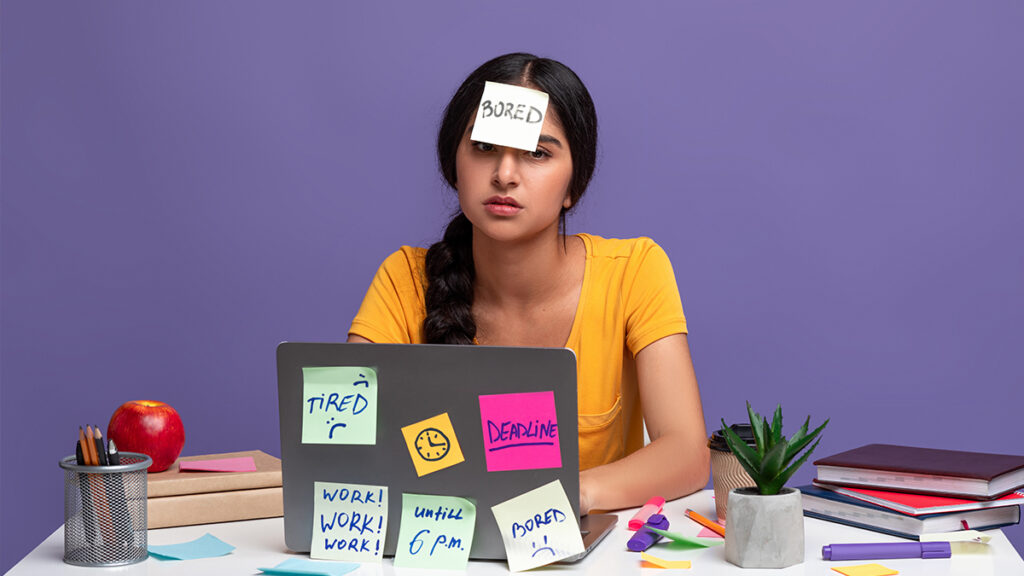
In today’s hyperconnected, always-on society, sleep has quietly become one of the greatest challenges to overall well-being. With the constant bombardment of digital notifications, unpredictable schedules, and stress-induced insomnia, many people find themselves chronically sleep-deprived. According to the CDC, one in three American adults doesn’t get enough rest on a regular basis—a staggering statistic with serious health consequences.
Ironically, the very technology that often disrupts our rest is now stepping in as a potential savior. Artificial intelligence (AI), once seen as the culprit behind digital overstimulation, is being reimagined as a powerful solution for improving sleep. From smart wearables and personalized coaching apps to real-time data analysis and sleep disorder detection, AI is ushering in a new era of sleep optimization.
This article explores how AI is transforming the way we sleep—from diagnosing issues to tailoring nighttime routines and offering real-time, science-backed interventions. As the sleep tech landscape rapidly evolves, AI may hold the key to helping us reclaim one of life’s most essential functions: rest.
Understanding the Science of Sleep and the Role of AI
What Happens During Sleep and Why It Matters
Sleep isn’t just about recharging energy—it’s a deeply complex biological process that plays a pivotal role in everything from brain function and emotional health to immunity and metabolism. Quality sleep involves a series of REM and non-REM cycles, each contributing to memory consolidation, learning, cellular repair, and emotional balance.
Unfortunately, most people don’t have an accurate understanding of their own sleep habits. Traditional methods like lab-based sleep studies are expensive, inconvenient, and not feasible for daily use. That’s where AI comes in. With its ability to process vast amounts of data in real time, AI offers a more accessible and dynamic way to monitor and analyze sleep—giving people the tools to understand and improve their rest without ever leaving home.
The Rise of Sleep Tech and Smart Devices
In the last decade, sleep technology has made huge strides. Devices from brands like Oura, Fitbit, Apple, and Withings are no longer just step counters—they’re sophisticated biometric tools that track body temperature, heart rate, breathing, and movement. By using machine learning algorithms, these wearables provide a clear picture of sleep cycles and efficiency.
Even our bedrooms are getting smarter. AI-integrated home systems now adjust room temperature, lighting, and sound based on your circadian rhythm, optimizing the sleep environment in real-time. Over time, these devices learn your unique patterns and preferences, enabling a tailored approach to better sleep.
AI-Powered Sleep Tracking and Analytics
How AI Detects and Analyzes Sleep Patterns
Unlike traditional tracking tools that simply measure how long you sleep, AI-powered systems dig deeper. Devices like smart rings and wristbands capture data on micro-movements, skin temperature, blood oxygen levels, and more. AI then interprets this information to identify which sleep stage you’re in—light, deep, or REM—and when disturbances occur.
The real power of AI lies in its ability to personalize this data over time. It learns your habits, identifies triggers for poor sleep (like late caffeine consumption or stress), and even predicts patterns—giving you actionable insights tailored to your lifestyle.
Personalized Insights and Sleep Scores
AI tools like the Oura Ring or Sleep Cycle app generate sleep scores based on multiple metrics: how quickly you fall asleep, how often you wake, your breathing rate, and the depth of your sleep. These scores provide a daily snapshot of your rest quality and come with tailored tips to help improve it.
Rather than offering generic advice like “avoid screens before bed,” these systems suggest personalized strategies—perhaps recommending a specific bedtime or alerting you to the impact of a stressful day. Over time, they become digital sleep coaches, helping you make gradual, sustainable improvements to your nightly routine.
AI in Diagnosing and Managing Sleep Disorders
AI and Sleep Apnea Detection
Sleep apnea affects tens of millions of people worldwide, often without them realizing it. Characterized by pauses in breathing during sleep, the condition can lead to fatigue, mood disorders, and increased risk of heart disease. Traditionally, diagnosing sleep apnea required overnight monitoring in a clinic—costly and inconvenient for most.
Now, AI is changing that. Tools from companies like ResMed and Philips use machine learning to analyze breathing patterns, snoring, and interruptions to detect apnea symptoms. Some smartwatches and fitness trackers can even screen for the disorder using built-in sensors. This early detection empowers users to seek medical help and begin treatment sooner.
Insomnia and AI-Powered Cognitive Behavioral Therapy (CBT-I)
Insomnia—difficulty falling or staying asleep—is another widespread issue. While medication provides short-term relief, long-term solutions require addressing behavioral patterns and thought processes. AI is helping make cognitive behavioral therapy for insomnia (CBT-I) more accessible through digital platforms.
Apps like Sleepio deliver evidence-based CBT-I programs via AI chatbots and virtual sleep coaches. These tools adapt to user behavior, providing tailored exercises, stress reduction techniques, and regular check-ins. For people without access to in-person therapy, AI-delivered CBT-I offers a convenient and cost-effective path to better sleep.
Enhancing Sleep Hygiene and Behavior with AI
Smart Alarms and Circadian Rhythm Optimization
Traditional alarm clocks often wake us up at the worst possible moment—deep in a sleep cycle, leaving us groggy and disoriented. AI-enabled alarms, on the other hand, track your sleep stages and wake you during a light sleep phase within a set window, leading to a smoother start to the day.
Some systems go even further by syncing with your circadian rhythm, adjusting wake-up times based on your sleep history and biological clock. They might also integrate gradual light and sound cues to simulate sunrise—gently easing you into wakefulness while optimizing hormonal balance.
Reducing Digital Stimulation and Blue Light Exposure
Screen time is one of the biggest modern enemies of sleep. Exposure to blue light from phones, tablets, and laptops disrupts melatonin production and keeps the brain in “daytime” mode. AI is now being used to mitigate this issue by adjusting screen brightness, color temperature, and even recommending screen-free activities before bed.
Smartphone features like Night Shift (Apple) and Android’s Bedtime Mode use AI to analyze usage patterns and activate wind-down routines—muting notifications, switching to warmer hues, and prompting users to unplug. These gentle interventions foster healthier nighttime habits without requiring major lifestyle changes.
The Future of AI and Sleep Optimization
Predictive Sleep Coaching and Preventive Insights
AI is on the verge of becoming more than a responsive sleep aid—it’s evolving into a predictive coach. Soon, your AI assistant may not only track your sleep but anticipate issues before they arise. By analyzing heart rate variability, stress levels, screen time, and activity data, it could offer proactive suggestions: drink more water today, skip that second coffee, or meditate before bed.
These predictive capabilities could be game-changing for people with demanding schedules or chronic sleep issues, offering timely support when it’s most needed—before a bad night ruins the next day.
Integrating AI into Clinical Sleep Medicine
AI isn’t just staying in the consumer wellness space—it’s entering hospitals and research labs, where it’s being used to develop advanced diagnostic tools. Machine learning models can sift through sleep study data to identify early signs of neurodegenerative diseases, mental health conditions, or cardiovascular risks.
Clinics are beginning to adopt AI to triage patients, personalize treatments, and track progress over time. This fusion of AI with clinical care promises more accurate diagnoses, quicker interventions, and ultimately, a deeper understanding of sleep’s role in overall health.
Conclusion: Reclaiming Rest with Artificial Intelligence
Sleep, once taken for granted, has become a luxury many struggle to afford. But with AI stepping in as a personalized guide, the future of rest looks brighter. By making complex sleep science accessible, actionable, and deeply personalized, AI empowers individuals to take back control of their sleep and, by extension, their health.
From wearable trackers and adaptive alarms to digital therapy and predictive coaching, AI doesn’t just help us understand how we sleep—it helps us sleep better. In a world that never slows down, AI might be the ally we need to finally rest, recover, and thrive.