AI-Powered Tools That Are Changing Remote Work Forever


Introduction
The way we work has undergone a fundamental shift in recent years. With distributed teams, hybrid work arrangements, and asynchronous collaboration now the norm, artificial intelligence (AI) has emerged as a central force driving this transformation. AI-powered tools are no longer experimental add-ons—they’ve become essential to communication, productivity, and creativity in remote environments.
From intelligent meeting assistants to real-time transcription tools, and from secure access monitoring to AI-enhanced creative workflows, these technologies are not just streamlining operations—they’re redefining how work gets done. In this article, we’ll explore the most impactful AI tools shaping remote work and how businesses can deploy them to build smarter, more efficient, and more human-centered digital workplaces.
Intelligent Communication and Collaboration
AI Meeting Assistants and Real-Time Transcription
Virtual meetings are now routinely supported by AI-powered transcription and note-taking tools. Assistants like Otter.ai and Rev use advanced voice recognition and natural language processing to capture everything from speaker identification to action items. These tools provide instant summaries, decision logs, and follow-ups, reducing manual effort and increasing clarity across distributed teams. With this level of automation, remote collaboration becomes more seamless and less prone to miscommunication.
Language Translation and Multilingual Support
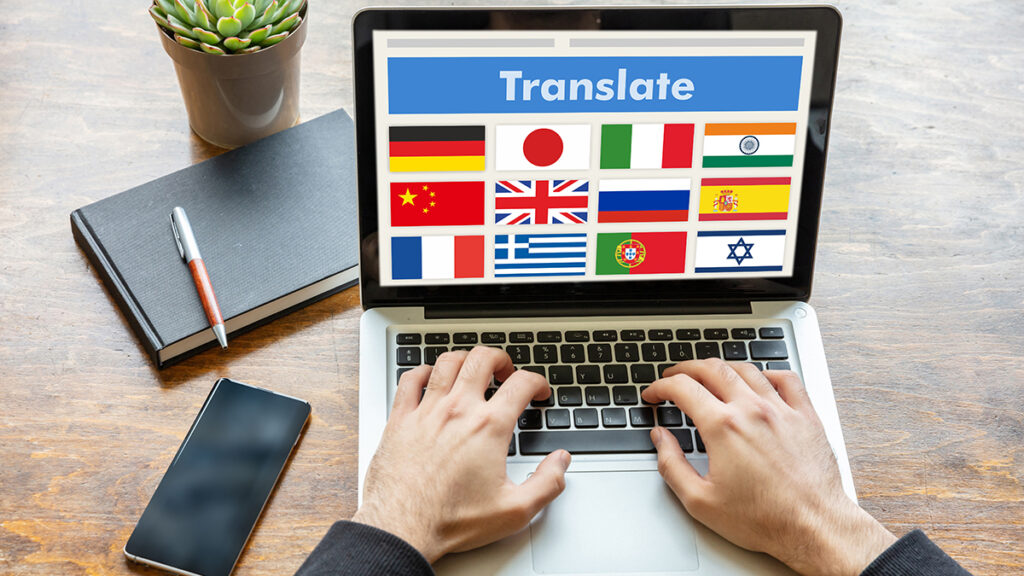
Today’s remote teams are often spread across continents and cultures. AI translation tools such as DeepL, Google Translate Advanced, and Microsoft Azure Translator are breaking down language barriers with impressive real-time accuracy. These systems allow participants to communicate in their native languages, preserving nuance and tone while keeping everyone on the same page. AI has become an invisible yet powerful bridge for global collaboration.
Sentiment Analysis and Team Health Monitoring
Managing team morale remotely can be challenging. AI-driven sentiment analysis, often built into platforms like Slack and Microsoft Teams, monitors the emotional tone of messages and meeting discussions. By analyzing text-based interactions, these tools detect signs of burnout, frustration, or disengagement. Some platforms display anonymous well-being metrics to managers and HR, enabling early intervention without breaching privacy—fostering a more empathetic remote work culture.
Productivity Enhancement and Task Automation
Smart Task Management and Workflow Optimization
Modern project management tools like Asana, Monday.com, and ClickUp have incorporated AI to streamline task tracking, automate scheduling, and detect workflow inefficiencies. These platforms analyze past performance to predict timelines, highlight dependencies, and suggest next steps. For remote teams, this means fewer status meetings and better foresight into potential blockers, leading to improved project delivery even across different time zones.
AI-Powered Virtual Assistants
AI virtual assistants have moved far beyond basic reminders. Solutions like x.ai, Clara, and Zoom.ai can coordinate meetings across multiple calendars and time zones, manage cancellations, and automate follow-ups. By understanding user preferences and corporate norms, these assistants free up remote workers to focus on high-value work, instead of getting bogged down in administrative logistics.
Document Automation and Intelligent Search
Document-heavy workflows have also been transformed. Tools like Microsoft Copilot, Notion AI, and Google Smart Compose help users generate content, summarize documents, or adjust writing style based on prompts and tone analysis. With semantic search integrated, these platforms allow workers to instantly locate relevant documents—even if they don’t remember exact keywords—turning information silos into accessible, intelligent knowledge hubs.
Creative Collaboration and Content Generation
AI in Design and Multimedia Production
Creative professionals working remotely now rely on tools like Canva’s Magic Resize, Adobe Firefly, and RunwayML to generate visual assets, automate design tasks, and streamline branding. For video teams, AI provides automatic captioning, smart scene suggestions, and instant background removal. These features empower creatives to iterate faster and collaborate across time zones, keeping projects on track without sacrificing quality.
Generative Writing and Marketing Content
Copywriters, marketers, and content teams are also benefiting from AI tools like Jasper.ai, Writesonic, and Copy.ai. These platforms go beyond drafting—they tailor messages to brand tone, generate SEO-friendly content, and provide variations for testing. With AI as a brainstorming partner, remote marketing teams can produce content at scale while maintaining creative flexibility and brand consistency.
Collaborative Brainstorming and Idea Synthesis
Ideation sessions have long been a challenge for remote teams. Platforms like Miro AI, Stormboard, and Ideanote bring intelligence to digital whiteboards—clustering ideas, identifying common themes, and offering novel prompts. AI becomes a co-creator, surfacing inspiration during virtual workshops and enabling rich, inclusive participation regardless of location or time zone.
Security, Compliance, and Remote Infrastructure
AI-Enabled Identity Verification and Access Control
Securing remote workforces requires more than strong passwords. AI-driven platforms like Okta Adaptive MFA, Zscaler, and Microsoft Entra ID Protection evaluate contextual factors—such as device health, geographic location, and login behavior—to enforce access control. These systems use AI to adjust security protocols in real time, strengthening protection without introducing friction for legitimate users.
Threat Detection and Anomaly Monitoring
AI has become indispensable in cybersecurity. Tools like CrowdStrike Falcon, Darktrace, and SentinelOne use machine learning to detect threats before they cause damage. Whether it’s identifying unusual network behavior or responding to malware, these platforms provide 24/7 surveillance and automated remediation—essential for distributed teams relying on home networks and public Wi-Fi.
Data-Driven Insights and Team Analytics
AI-Powered Performance Metrics
Visibility into workflow efficiency is harder in remote environments. AI analytics in platforms like GitHub, Jira, and Salesforce analyze logs, task velocity, and engagement metrics to uncover process bottlenecks. These insights allow managers to pinpoint friction points, anticipate delays, and refine workflows—all without micromanaging their teams.
Predictive Capacity Planning and Resource Forecasting
AI models help organizations anticipate demand and adjust resources accordingly. By studying historical patterns and current pipeline data, platforms forecast hiring needs, potential skill gaps, and project overloads. For globally distributed teams, this means smarter hiring decisions, more balanced workloads, and greater agility in scaling operations up or down.
Challenges and Ethical Considerations
Data Privacy and Usage Transparency
As AI tools monitor behavior and analyze conversations, questions around data ethics become unavoidable. Companies must be transparent about what data is collected, why it’s analyzed, and how decisions are made. Consent-based data collection, anonymization, and user control are essential for maintaining trust in remote workplaces.
Algorithmic Bias and Inclusivity
Bias in AI can manifest in subtle yet damaging ways—such as favoring certain communication styles or penalizing introverted behaviors. Teams must audit their AI tools for fairness and ensure that systems are trained on diverse data. Equitable outcomes depend on inclusive design, ongoing bias detection, and feedback from real users.
Balancing Automation with Human Oversight
AI should augment—not replace—human decision-making. For critical tasks like performance reviews, hiring, or career development, AI must serve as an advisory layer rather than the final authority. Embedding human-in-the-loop frameworks ensures that automation enhances objectivity without undermining empathy or accountability.
Building AI-Ready Remote Work Environments
Planning the Integration Roadmap
Before introducing AI tools, organizations should audit their existing workflows and identify areas where automation can add immediate value. Starting with low-risk implementations, like transcription or task automation, allows teams to acclimate and demonstrate early wins. Custom rollout strategies, ongoing feedback loops, and role-specific training ensure sustainable adoption.
Training and Change Management
Effective adoption hinges on education. Employees must understand how AI tools work, where they help, and where they fall short. Through onboarding programs, hands-on workshops, and internal knowledge sharing, teams can build confidence in using AI and minimize resistance to change.
Measuring Success and Continuous Refinement
AI integration isn’t a one-time event—it’s an evolving process. Organizations should define metrics aligned with their goals: reduced manual effort, improved turnaround times, enhanced user satisfaction, or lower incident rates. These metrics guide adjustments and identify when over-automation or unintentional biases may need correction.
Conclusion
The rise of AI-powered tools is not simply enhancing remote work—it’s redefining it. From intelligent meeting support and project management to creative ideation and cybersecurity, AI is embedded in every stage of the remote work lifecycle. Its potential to improve productivity, connection, and innovation is undeniable.
Yet as this transformation unfolds, ethical deployment becomes vital. Organizations must champion transparency, guard against bias, and ensure that human oversight remains central to decision-making. When implemented thoughtfully, AI can empower remote teams to work smarter, collaborate more meaningfully, and innovate faster—no matter where they are in the world.