How to Stay Fit and Exercise While Traveling Long-Term

Traveling for months or years at a time is a thrilling adventure that opens your mind, immerses you in new cultures, and helps you grow as a person. Yet amid the excitement, changing time zones, and constant movement, one thing often falls through the cracks—your physical fitness. For digital nomads, long-term backpackers, or professionals bouncing between countries, staying fit isn’t just about looking good. It’s about maintaining energy, productivity, and mental well-being.
This guide explores how to stay healthy and exercise while traveling long-term, even when you don’t have access to a gym. You’ll learn how to adopt the right mindset, adapt to any environment, fuel your body properly, and build fitness habits that travel with you—no matter where you go.
The Challenge of Staying Fit While Traveling Long-Term
When you’re always on the move, routines become fluid. Fitness thrives on structure—consistent gym visits, meal planning, and sleep schedules—but travel throws those habits into chaos. Constantly changing time zones, unpredictable accommodations, and cultural shifts make it hard to maintain consistency.
However, the true obstacle isn’t physical—it’s mental. Many travelers adopt a “vacation mindset,” viewing travel as an escape from responsibility. Over time, that mindset erodes discipline and drains energy. The secret lies in redefining travel as an opportunity to strengthen self-reliance and build adaptable habits that fit any environment.
Building the Traveler’s Fitness Mindset
Redefine What Fitness Means on the Road
When your location changes constantly, fitness can’t depend on heavy equipment or fixed gym routines. Instead, it becomes about adaptability and consistency. A short, 20-minute workout performed every day is far more effective than an intense two-hour session once a week.
Prioritize Energy Over Aesthetics
While at home, fitness goals often revolve around appearance—building muscle or losing weight. But when traveling, your focus should shift to maintaining stamina, balance, and mental clarity. Exercise becomes a form of stress relief and focus enhancement—your anchor in an unpredictable schedule.
Choose Commitment Over Convenience
Perfect conditions rarely exist on the road. Your “gym” might be a hostel hallway, park bench, or quiet patch of beach. What matters most is your commitment to daily movement. By showing up consistently—no matter the location—you cultivate both physical resilience and mental strength.
Adapting Your Workout Routine to Any Environment
Bodyweight Workouts: Your Travel Foundation
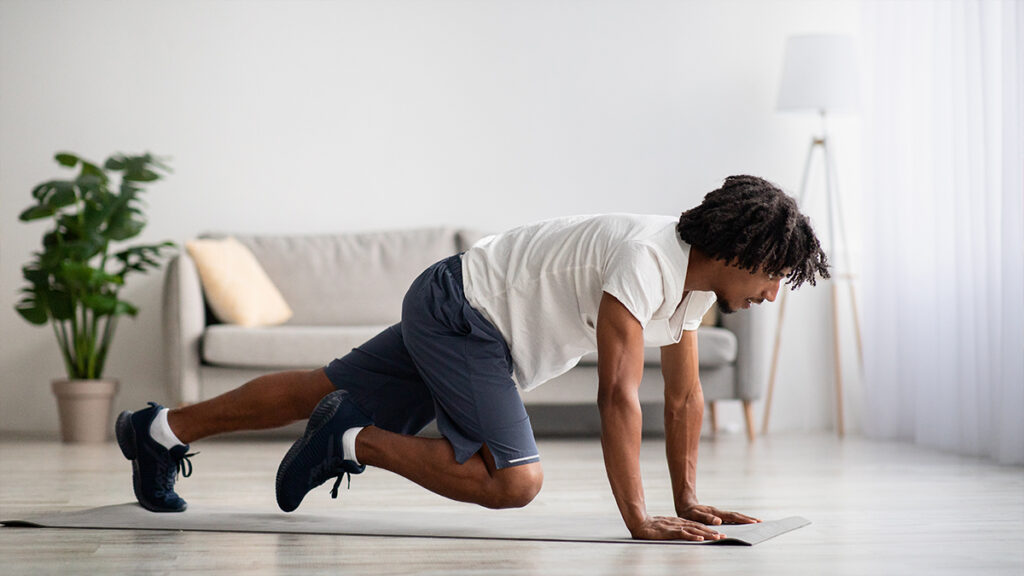
Mastering bodyweight exercises is the simplest way to stay in shape while traveling. Push-ups, squats, planks, lunges, and burpees require no equipment yet build strength and endurance effectively. Adapt your circuit based on your surroundings—do static movements like wall sits and planks in small rooms, or incorporate jumps and sprints if you’re near a park or beach.
Use Minimal Equipment Smartly
If you can spare a little space, pack resistance bands, a jump rope, and a lightweight yoga mat. Resistance bands mimic weight training, jump ropes deliver quick cardio, and yoga mats provide comfort for stretching anywhere. Some nomads also travel with compact TRX straps or foldable push-up bars—tiny tools with massive versatility.
Turn the Outdoors Into Your Gym
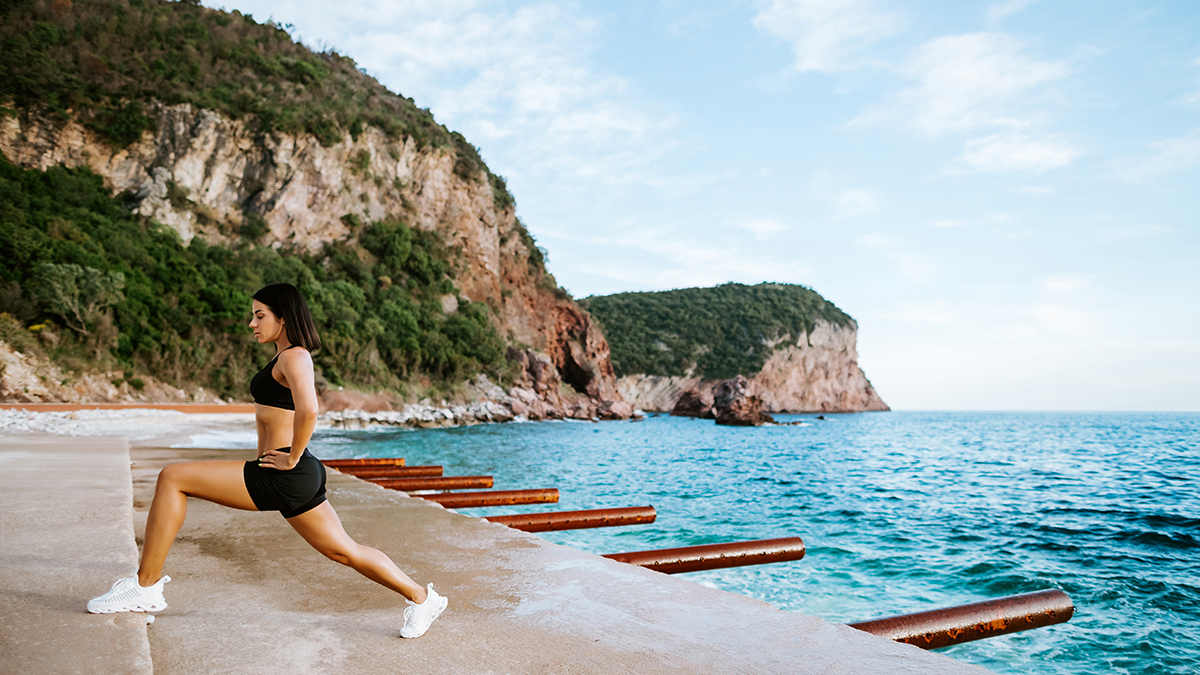
Parks, cityscapes, beaches, and trails are natural workout zones. Run along the waterfront, do step-ups on benches, or hike nearby trails. Exploring on foot keeps your heart rate up and connects you deeply with your surroundings. Whether it’s yoga at sunrise in the Himalayas or cycling through Amsterdam, movement enhances your travel experience.
Incorporating Movement Into Daily Life
Stay Active While Exploring
Skip taxis when you can and walk or bike instead. Book accommodations close to local attractions to make movement a natural part of your day. Walking tours, hikes, and exploring by foot not only improve your fitness but also give you a more authentic travel experience.
Embrace Micro-Workouts
If your schedule is tight, break exercise into short bursts throughout the day. Ten minutes of stretching in the morning, a quick bodyweight circuit at lunch, and an evening walk can easily add up. Even small actions—like climbing stairs or doing squats while waiting for laundry—keep your metabolism active.
Combat Travel Fatigue With Stretching
Long flights and heavy backpacks cause tightness and pain. Regular stretching restores mobility and reduces fatigue. Focus on your shoulders, neck, hips, and hamstrings. Yoga or Pilates-inspired routines are excellent for maintaining posture and flexibility.
Nutrition Strategies for Staying Fit on the Road
Balance Indulgence and Discipline
Enjoying local food is part of the adventure—but moderation is key. Follow the “80/20 rule”: eat nutritious meals 80% of the time and indulge the remaining 20%. Choose grilled dishes, fresh produce, and lean proteins over deep-fried or overly processed options. Always carry a reusable water bottle to stay hydrated and reduce waste.
Practice Mindful Eating
When dining out frequently, portions can be unpredictable. Listen to your body’s hunger cues—eat slowly, savor flavors, and stop when satisfied. Mindful eating prevents overeating, aids digestion, and keeps your energy levels stable throughout long travel days.
Cook When You Can
If you’re staying somewhere with a kitchen, shop at local markets and prepare simple meals. Stock up on staples like oats, nuts, eggs, and vegetables. Cooking occasionally saves money and gives you control over your nutrition.
Staying Consistent Across Time Zones
Reset Your Internal Clock
Jet lag can sap energy and motivation. When you land in a new time zone, align your sleep and meals with local time immediately. Get morning sunlight exposure and take light walks to help your body adjust faster.
Adapt Your Intensity to Energy Levels
Don’t force high-intensity workouts on travel days. If you’re exhausted, do lighter sessions focused on mobility and stretching. On energetic days, go for strength or cardio. What matters most is maintaining consistency, not perfection.
Mental Fitness: The Overlooked Key to Travel Health
Meditation and Mindful Movement
Mental health and physical health go hand in hand. Incorporate mindfulness, breathing exercises, or meditation into your daily routine to stay grounded. Apps like Headspace, Calm, or Insight Timer make this easy.
Practices like yoga or tai chi merge mental focus with physical balance. Doing them in peaceful or scenic spots can amplify their benefits, helping you stay centered amid travel chaos.
Prioritize Sleep
Sleep often suffers during long-term travel, yet it’s vital for recovery and mental sharpness. Try to maintain a consistent sleep schedule and create relaxing bedtime rituals. Tools like eye masks, earplugs, and white noise apps can help you rest better in unfamiliar environments.
Build Small Routines
Even in chaos, routines provide stability. Simple non-negotiables—like stretching each morning, doing 10 push-ups, or taking an evening walk—anchor your day and maintain continuity.
Leverage Technology for Accountability
Use Fitness Apps and Trackers
Your phone can double as a fitness coach. Apps like Freeletics, Nike Training Club, or Fitbod offer guided workouts that require minimal equipment. Wearables like smartwatches and pedometers can help track daily steps, heart rate, and calories burned.
Join Online Fitness Communities
Stay connected with online groups for digital nomads who prioritize wellness. Platforms like Facebook, Meetup, or Reddit host fitness challenges and local workout meetups, helping you stay motivated and social.
Track Progress Digitally
Keep a digital journal or use apps like Notion or Strava to log workouts, meals, and energy levels. Reviewing your progress builds accountability and encourages long-term consistency.
Balancing Fitness and Adventure
Turn Adventure Into Exercise
Adventure activities double as workouts. Surf in Bali, kayak in Croatia, rock climb in Thailand, or hike the Andes. These experiences build endurance, coordination, and strength—all while enriching your travels.
Respect Rest and Recovery
Rest days are crucial. Without proper recovery, fatigue and injuries can build up. Use off days for light stretching, gentle walks, or meditation. Rest isn’t laziness—it’s what keeps you going strong.
Sustainable Fitness: Building Lifelong Habits
The real goal isn’t just staying fit for one trip—it’s building a sustainable lifestyle that travels with you. When fitness becomes as natural as brushing your teeth or packing your bag, it stops being a chore and becomes part of your identity. You carry your discipline, strength, and energy wherever you go.
This mindset turns exercise from something you “fit in” to something that fits you.
Conclusion: Fitness as a Journey, Not a Destination
Staying fit while traveling long-term isn’t about perfection—it’s about consistency, creativity, and self-awareness. You won’t always have a gym, but you’ll always have your body. Movement on the road teaches adaptability, patience, and resilience—the same traits that make travel transformative.
Your body is your constant travel companion. Keep it strong, flexible, and centered, and you’ll experience every adventure—every sunrise hike, market stroll, and late-night dance—with vitality and joy.