How to Raise Eco-Conscious Kids

Introduction
In today’s world, where climate change, plastic pollution, and biodiversity loss are daily realities, raising eco-conscious children is no longer just a personal choice—it’s a responsibility. Kids are growing up in an era where sustainability is not only part of classroom discussions but also a regular topic at home, in the news, and in everyday community life. Parents have a unique opportunity to shape not only their child’s worldview but also the habits and values that will guide how they interact with the planet for decades to come.
Teaching environmental responsibility to children doesn’t mean burdening them with fear or guilt about the future. Instead, it’s about nurturing awareness, empathy, and responsibility in ways that feel empowering. Through play, stories, traditions, and small daily practices, parents can help kids understand environmental challenges while also feeling capable of making a positive difference.
This article explores how to raise eco-conscious kids by focusing on emotional development, practical routines, and lifelong values that encourage children to grow into responsible and compassionate global citizens.
Why Raising Eco-Conscious Kids Matters
The Role of Early Habits
Childhood is a powerful time to establish values and behaviors that last a lifetime. Research shows that habits learned early—whether it’s recycling, conserving energy, or treating animals kindly—often carry into adulthood. When parents normalize eco-friendly practices, sustainability becomes second nature rather than an obligation.
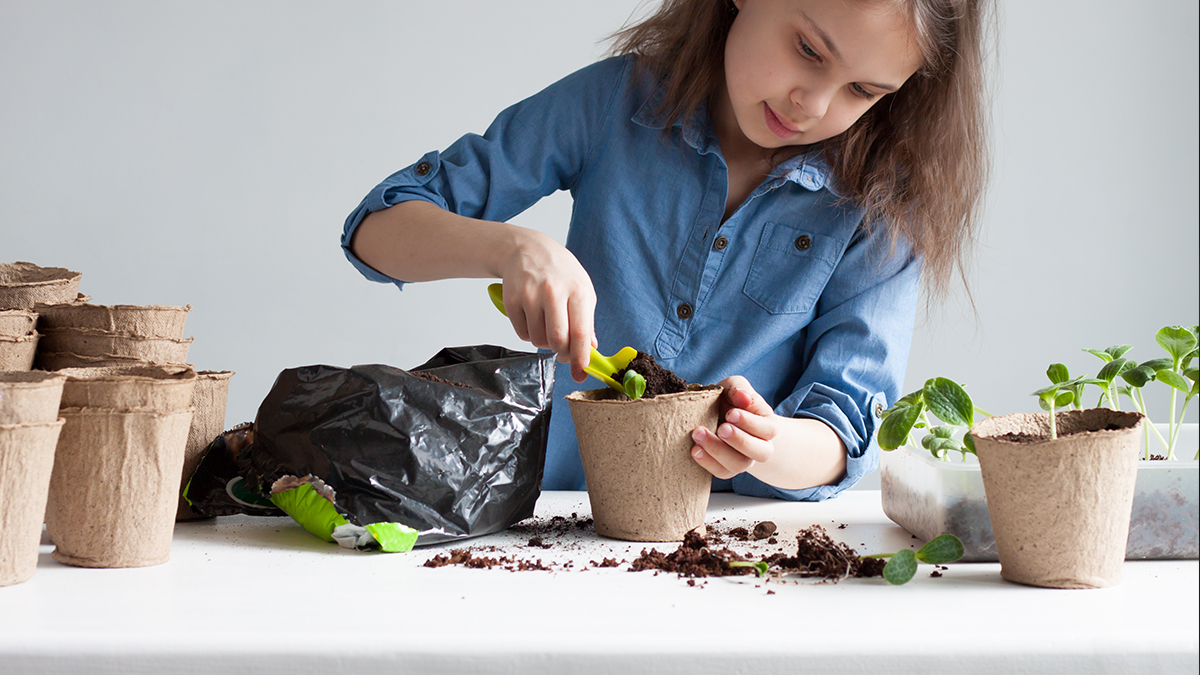
Simple daily actions—like carrying a reusable water bottle, choosing to walk for short trips instead of driving, or planting a small vegetable garden—help children see that their choices directly impact the environment. These moments also teach kids that small actions can add up to meaningful change.
Beyond Individual Impact
Instilling eco-consciousness goes beyond reducing waste or using less electricity. It also cultivates empathy and responsibility toward communities and future generations. A child who grows up learning to care about the Earth is more likely to become an adult who pushes for larger systemic changes—such as supporting renewable energy policies or advocating for sustainable cities.
By raising children with this mindset, parents contribute to a generation of problem-solvers rather than passive bystanders—individuals who see environmental stewardship as part of their identity, not just a passing trend.
Building Awareness Through Everyday Life
Connecting Kids With Nature
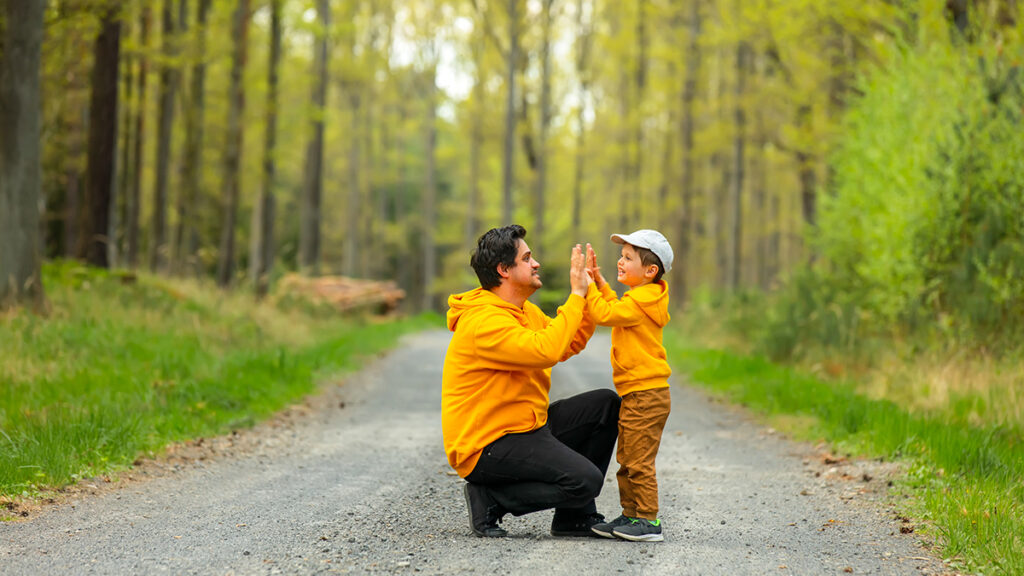
Children are naturally curious about the world around them, and one of the most effective ways to nurture eco-consciousness is by helping them build a strong emotional connection with nature. Experiences like climbing trees, watching ants march across the sidewalk, or noticing the changing colors of leaves create lasting memories and foster respect for the environment.
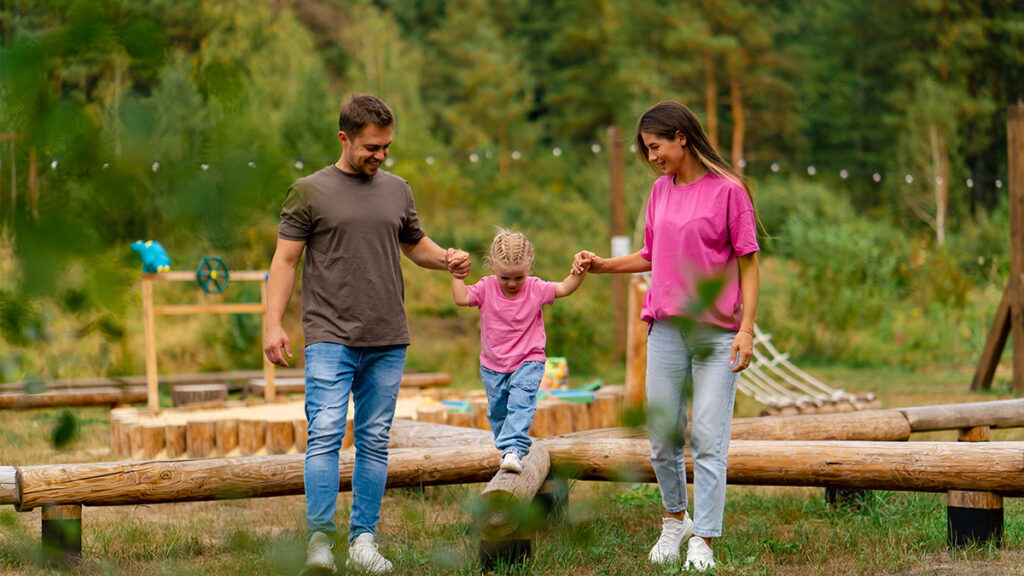
Parents can strengthen this connection by weaving nature into regular family life. Weekend hikes, picnics in the park, visits to local farms, or even simple stargazing nights can all remind children that they are part of something larger. When kids learn to appreciate the beauty of the natural world, they’re far more likely to feel protective of it as they grow.
Teaching by Example
Children don’t just listen—they watch. Parents who model eco-friendly practices send the most powerful messages. Actions like composting food scraps, reducing single-use plastics, conserving water, or shopping at local farmers’ markets show kids what environmental responsibility looks like in practice.
Equally important is explaining why these choices matter. For example, when parents say, “We bring our own bags to the store so we don’t use plastic ones that harm animals in the ocean,” they help children connect small daily actions to big global outcomes. This sense of connection transforms habits into meaningful values.
Instilling Sustainable Values at Home
Mindful Consumption
In today’s consumer-driven culture, children are constantly exposed to advertising that encourages endless buying. Parents can counter this by teaching the value of mindful consumption—choosing quality over quantity, repairing instead of discarding, and sharing instead of hoarding.
When a toy breaks, repairing it together instead of immediately buying a replacement teaches patience and resourcefulness. Donating clothes that no longer fit, borrowing books from the library, or hosting toy swaps with friends reinforces the idea that not everything has to be new to be valuable. These practices encourage children to appreciate what they already have and to think creatively about reducing waste.
Food and Sustainability
Food is one of the most tangible ways children can engage with sustainability. Involving them in cooking meals with seasonal produce, planting herbs in the windowsill, or shopping at farmers’ markets creates awareness about where food comes from. It also helps kids develop healthier eating habits and a sense of gratitude for resources.
Parents can introduce the concept of reducing food waste by planning meals carefully, saving leftovers, or composting scraps. Framing these practices positively—for example, “We’re helping turn our food scraps into healthy soil for the garden”—makes sustainability both fun and purposeful.
Education as a Tool for Eco-Consciousness
Age-Appropriate Environmental Education
Introducing children to environmental concepts works best when tailored to their age. For toddlers and preschoolers, songs, games, and stories about animals, trees, or the Earth make abstract ideas tangible. A picture book about a tree that provides shelter and food, for example, can teach respect for nature in ways lectures cannot.
As kids grow, parents can gradually introduce more complex topics like renewable energy, recycling systems, or the effects of plastic pollution. Interactive experiences—such as visiting science museums, nature centers, or environmental workshops—make learning engaging and memorable.
Critical Thinking About the Environment
Beyond facts, it’s essential to encourage children to think critically about environmental issues. Asking reflective questions like, “Where do you think our trash goes?” or “Why do bees matter for flowers?” sparks curiosity and problem-solving skills.
As they mature, parents can guide discussions about global challenges like climate change or deforestation, always framing them in a way that emphasizes hope and action rather than despair. Encouraging kids to brainstorm solutions—whether it’s inventing eco-friendly gadgets or writing a letter to local leaders—empowers them to feel like active participants in change.
Encouraging Eco-Friendly Practices in Daily Routines
Energy and Water Conservation
Eco-consciousness begins with everyday habits. Teaching children to turn off lights when leaving a room, unplug devices when not in use, or shut off the tap while brushing teeth instills awareness of resource conservation.
Parents can frame these actions positively: “We save water so the fish and plants have enough,” or “Turning off the lights helps us use less energy from power plants.” Over time, these small reminders build into habits that children carry for life.
Waste Reduction and Recycling
Children love hands-on activities, which makes recycling an excellent teaching tool. Parents can assign kids simple responsibilities like sorting recyclables, carrying reusable lunchboxes, or helping pack groceries in cloth bags. Explaining what happens to waste—where it goes and why reducing it matters—connects household routines to global challenges.
When kids see that their actions make a tangible difference, such as reducing the family’s trash or creating compost for the garden, they feel proud and motivated to continue.
Building Community and Collective Responsibility
The Role of Schools and Communities
Parents are not alone in raising eco-conscious kids. Schools, community programs, and extracurricular activities can reinforce environmental values. Choosing schools that prioritize sustainability in their curriculum, or enrolling children in environmental clubs and outdoor programs, provides consistent reinforcement outside the home.
Community projects—like tree planting, river cleanups, or recycling drives—also show children the power of collective action. Working alongside peers and neighbors makes sustainability feel like a shared responsibility, not just a family rule.
Global Citizenship
Helping children see themselves as global citizens is another vital step. Parents can explain how everyday decisions—like buying fair-trade chocolate, reducing meat consumption, or supporting ethical brands—connect to issues like climate change, deforestation, and workers’ rights.
When children understand the ripple effects of their choices, they begin to see sustainability not just as a household matter but as a responsibility to the entire planet. This perspective nurtures empathy and prepares them to contribute to global solutions in their own ways, whether through activism, careers, or personal lifestyle choices.
Overcoming Challenges in Raising Eco-Conscious Kids
Avoiding Guilt and Overwhelm
One of the biggest challenges in raising eco-conscious children is keeping the message positive. Overemphasizing crises can create fear or guilt, leaving children feeling helpless. Instead, parents should focus on empowerment. Celebrate successes, no matter how small—whether it’s planting a seed that sprouts or remembering to bring reusable bags to the store.
Acknowledging that nobody is perfect also matters. Parents can reassure kids that sustainability is about progress, not perfection. This balance prevents eco-anxiety and helps children see environmental responsibility as an ongoing journey they can enjoy.
Balancing Technology and Nature
In the digital age, finding a balance between screen time and outdoor play can be difficult. While technology can provide incredible resources for learning about the environment, it can also distance children from nature itself.
Parents should make intentional efforts to prioritize outdoor experiences. Whether it’s unstructured play in the backyard, family bike rides, or trips to nature reserves, these moments anchor children’s understanding of why the environment matters. When kids feel connected to the natural world, sustainability becomes a personal commitment rather than an abstract concept.
Conclusion
Raising eco-conscious kids goes far beyond teaching them to recycle or turn off lights—it’s about nurturing a mindset of empathy, respect, and responsibility toward the planet. Through consistent daily practices, mindful consumption, outdoor exploration, and critical thinking, parents can raise children who not only live sustainably but also inspire others.
The process takes patience, creativity, and consistency, but the rewards are immeasurable. Eco-conscious children grow into adults who see themselves as guardians of the Earth, committed to protecting it for future generations. In a world where environmental challenges demand urgent action, these children won’t stand by as passive observers—they’ll step forward as changemakers.
By starting small, within the home and family, parents plant the seeds of a greener, more hopeful future. And as those seeds grow, they give rise to a generation determined to care for the Earth—one child, one choice, and one action at a time.