How to Talk to Kids About Diversity

Introduction
In today’s interconnected and multicultural world, talking about diversity is no longer an optional task for parents—it’s a necessity. From a young age, children notice differences in skin color, language, traditions, and abilities. Left unexplained, these observations can lead to confusion or stereotypes shaped by media, peers, or broader societal influences. Parents and caregivers play a crucial role in guiding these observations, helping children understand difference with empathy and respect.
For many adults, however, the idea of discussing diversity with kids feels intimidating. Some worry about using the wrong words, while others wonder whether concepts like race, culture, or inequality are “too heavy” for children. Yet research shows that kids start forming ideas about identity and difference as early as preschool. Avoiding the topic leaves room for misconceptions and prejudice, while engaging openly empowers children to develop compassion, confidence, and inclusivity.
This article explores why these conversations matter, how to make them age-appropriate, and practical ways to weave inclusivity into everyday family life. With mindful guidance, parents can raise children who embrace diversity not as a challenge but as something to celebrate.
Why Talking About Diversity With Kids Matters
Early Awareness Shapes Worldview
Children are far more observant than many adults realize. Studies in developmental psychology show that even infants as young as six months notice differences in skin tone. By the preschool years, they may begin forming judgments about those differences, often influenced by what they see or hear around them.
If parents stay silent, children may rely on external sources—friends, media, or casual remarks—to fill in the gaps. Unfortunately, those sources may carry stereotypes or biases. On the other hand, when parents take the initiative to talk about diversity, they frame differences as something natural, valuable, and even beautiful.
These early lessons shape how children see the world. By normalizing differences, parents cultivate empathy and respect, qualities that enrich friendships, classroom interactions, and eventually workplace relationships.
Preparing Kids for a Diverse Society
The world children are growing up in today is deeply interconnected. In schools, neighborhoods, and digital spaces, they regularly encounter peers from varied cultural, ethnic, linguistic, and religious backgrounds. Without preparation, these encounters may feel confusing or overwhelming. With preparation, however, they become opportunities for connection and growth.
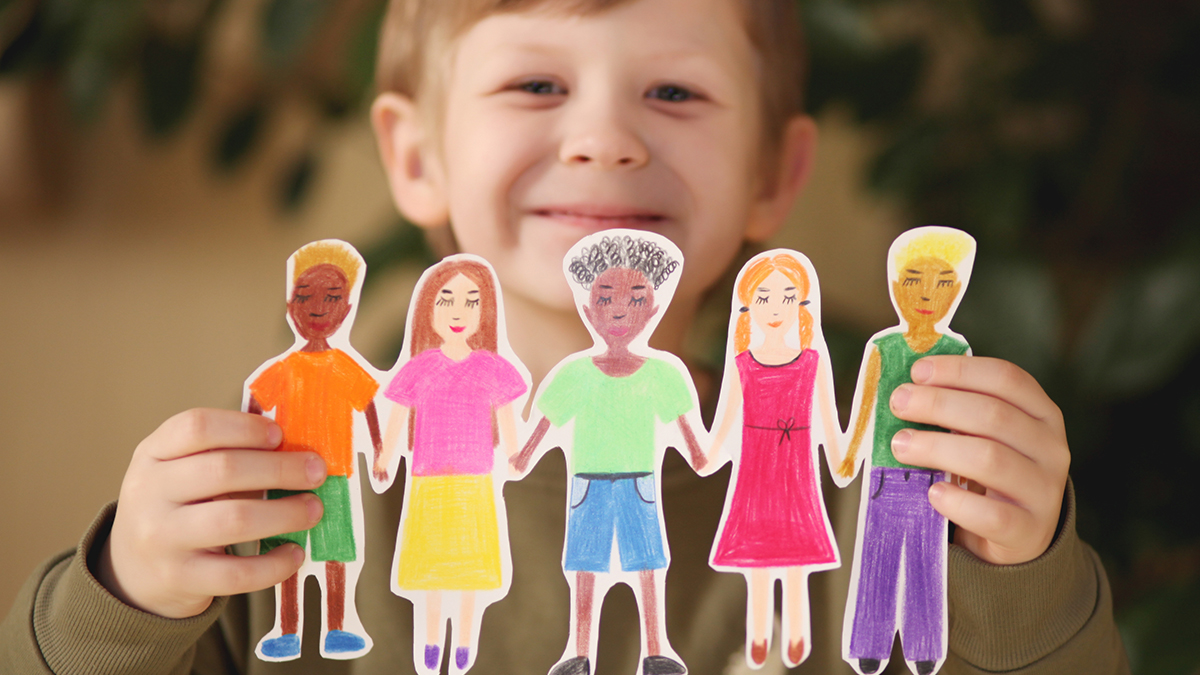
Open conversations about diversity teach children to see uniqueness as something to celebrate, while also recognizing the shared humanity that unites us all. These discussions not only foster inclusivity but also help children stand against prejudice and exclusion. Parents who normalize talking about race, ethnicity, disability, gender, and culture equip their children with the tools to contribute to kinder, more empathetic communities.
Making Conversations About Diversity Age-Appropriate
Introducing Diversity to Young Children
For toddlers and preschoolers, conversations about diversity should focus on celebrating differences in simple, positive terms. Children this age are naturally curious, and their questions are often refreshingly direct: “Why is her skin darker than mine?” or “Why does he talk differently?” Parents may feel uncomfortable, but these questions are golden opportunities.
Responding with honesty and age-appropriate explanations builds understanding. For example, explaining that people have different skin colors because of something called melanin, or because their families come from different parts of the world, teaches kids that differences are normal and interesting—not something to be feared.
Books, toys, and media play a powerful role here. Picture books that showcase characters of different races, abilities, or family structures can normalize diversity early on. Toys with varied skin tones or dolls using wheelchairs show children that everyone deserves representation. Everyday moments, such as playdates at the park or conversations during storytime, can become opportunities to celebrate difference.
Guiding Elementary School Children
Once children enter elementary school, social dynamics grow more complex. They may encounter exclusion, teasing, or curiosity about cultural traditions. At this stage, it’s important for parents to focus on empathy, fairness, and respect.
Conversations can include simple but impactful ideas: everyone deserves kindness, no one should be left out because of how they look or what they believe, and differences make the world more interesting. Parents can also actively introduce children to cultural celebrations—whether that’s attending a Diwali festival, learning about Lunar New Year, or exploring Black History Month.
At this age, real-world examples can help children understand concepts like fairness and unfairness. If they notice or experience exclusion, parents can guide them to reflect: “How do you think that person felt?” or “What could we do to make them feel included?” These conversations encourage not only awareness but also action.
Talking to Teenagers About Diversity
Teenagers are ready for deeper, more critical conversations. They often grapple with questions of justice, privilege, and identity, making this a crucial stage to move beyond surface-level discussions.
With teens, parents can explore systemic issues such as racism, inequality, and representation in media. Rather than delivering lectures, the most effective approach is open dialogue. Asking teens what they think about a news story, film, or school experience invites them to share their perspective and feel heard.
Parents can also recommend books, documentaries, or podcasts created by diverse voices. These resources allow teens to engage with different perspectives, sparking meaningful conversations at home. Encouraging critical thinking helps adolescents see diversity not only as differences in appearance or tradition but also as a broader question of fairness and justice.
Creating a Home Environment That Celebrates Diversity
Representation Matters
One of the most powerful ways to teach children about diversity is through what surrounds them every day. Representation in books, toys, artwork, and even media at home sends a clear message: diversity is valued here.
A bookshelf filled with stories from different cultures, dolls with varied skin tones, or art inspired by global traditions helps normalize inclusivity. When children see themselves and others reflected in positive ways, it combats invisibility and builds respect for all communities.
For example, bedtime stories featuring heroes of different races or family structures help children understand that leadership, kindness, and bravery aren’t tied to any one identity. Similarly, celebrating cultural artwork or music in the home exposes children to traditions beyond their own.
Modeling Inclusive Behavior
Children don’t just absorb what we say—they notice what we do. Parents who treat others with respect, greet neighbors warmly, and avoid biased remarks send a powerful, silent lesson about inclusivity.
Sharing personal learning experiences is equally impactful. Parents who admit they’re still learning about diversity, or who reflect on mistakes they’ve made, model humility and growth. Children see that understanding difference is an ongoing journey, not a fixed achievement. This honesty empowers them to approach diversity with curiosity rather than fear.
Addressing Difficult Questions and Bias
Answering With Honesty and Clarity
Children are often unfiltered in their observations, which can lead to moments of public awkwardness. A child may ask, “Why does that person use a wheelchair?” Instead of shushing them, a calm, simple explanation—“Their body works differently, and the wheelchair helps them move around”—normalizes difference and prevents stigma.
When children ask about sensitive issues like racism, parents may feel tempted to sugarcoat or dismiss. But honesty, adjusted for age, is far more effective. Acknowledging unfair treatment and explaining that it’s wrong, while also emphasizing that people can work together to change it, builds both awareness and hope.
Confronting Stereotypes and Prejudice
Sometimes children repeat stereotypes they’ve overheard, such as “Girls aren’t good at sports.” Instead of reacting with anger, parents can turn the moment into a teaching opportunity: “Actually, there are many amazing women athletes—let’s look at a few examples together.”
Encouraging kids to ask questions, seek evidence, and think critically about what they hear helps dismantle prejudice. These skills not only prepare children to challenge bias but also empower them to build inclusive, thoughtful communities as they grow.
Using Everyday Opportunities to Teach Inclusion
Diversity Through Food, Travel, and Culture
Daily life is full of opportunities to make diversity tangible. Cooking a recipe from another culture, attending a local festival, or learning greetings in a different language are all simple but powerful experiences. Even small acts—like trying international foods together or visiting cultural museums—can spark curiosity and appreciation.
Travel, whether across town or across the globe, also exposes children to new ways of living and thinking. These shared experiences teach children that the world is wonderfully varied, and that difference enriches life rather than divides it.
Media and Storytelling as Tools
Books, films, and music created by diverse voices are excellent tools for teaching empathy. After watching a film or reading a story, parents can ask reflective questions: “How do you think that character felt?” or “What made their experience different from ours?”
Through storytelling, children gain insight into perspectives they might never encounter otherwise. Media also provides a safe way to tackle complex issues like discrimination or resilience, offering both education and entertainment.
Encouraging Children to Be Allies
Teaching Empathy and Advocacy
Talking about diversity isn’t just about awareness—it’s about action. Parents can help children practice standing up for fairness in everyday situations. Whether that means inviting an excluded classmate to play, or gently correcting a peer’s unkind remark, these moments teach children to be allies.
Role-playing scenarios at home can prepare kids for real-world situations. For example, practicing how to respond if someone makes a hurtful joke gives children both the language and the confidence to act with empathy.
Building Resilience Against Bias
Sadly, some children may also experience prejudice themselves. Parents must prepare their kids to respond with strength and dignity. Affirming a child’s identity, validating their feelings, and encouraging them to seek support when needed are crucial steps.
Balancing advocacy with self-care teaches children that while they can challenge unfairness, their well-being matters too. This resilience ensures they grow into empathetic, socially responsible individuals who know how to navigate both challenges and opportunities in diverse environments.
Conclusion
Talking to children about diversity isn’t a single conversation—it’s a lifelong journey that evolves as they grow. From toddlers who notice differences on the playground to teens wrestling with questions of justice and identity, each stage offers opportunities to guide children toward empathy and understanding.
By creating a home environment that celebrates diversity, answering difficult questions with honesty, and modeling inclusive behavior, parents nurture kids who value respect, fairness, and compassion. These lessons extend beyond childhood, shaping future citizens who contribute to a more equitable world.
Ultimately, raising inclusive children isn’t just about teaching them to tolerate difference—it’s about inspiring them to celebrate it. When kids learn that diversity enriches their lives and communities, they gain the tools to build friendships, workplaces, and societies grounded in empathy and justice.