Outdoor Activities for Family Bonding

Introduction
In today’s fast-paced and digitally driven world, families often find themselves stretched thin between work, school, extracurricular commitments, and household responsibilities. With so much pulling parents and children in different directions, it can be difficult to carve out time for meaningful connection. Yet, family bonding is more than just a pleasant idea—it is the foundation of strong relationships, emotional security, and lasting memories.
One of the most effective ways to nurture these bonds is by stepping outside together. Nature offers something that screens and schedules cannot: the chance to slow down, breathe deeply, and focus entirely on one another. Outdoor activities provide a setting where laughter flows more freely, conversations come naturally, and teamwork feels effortless. Whether through a simple walk, a backyard game, or an adventurous camping trip, time spent outdoors creates shared experiences that families carry with them for years to come.
Outdoor activities are not only fun—they also promote physical health, reduce stress, and encourage exploration. For children, these activities build confidence and curiosity. For parents, they offer a chance to reconnect with their children outside the pressures of daily routines. This article explores the many benefits of outdoor activities for family bonding, the variety of ways families can enjoy nature together, and the long-term value of making these shared experiences a priority.
Why Outdoor Activities Strengthen Family Bonds
Escaping Daily Distractions
Modern family life is often dominated by buzzing phones, overflowing calendars, and endless notifications. While technology connects us in many ways, it also pulls us apart when it replaces face-to-face interaction. Outdoor activities provide a much-needed escape from these distractions. When parents and children leave their devices behind, they open the door to genuine connection.
The absence of digital noise creates space for conversations that might not happen at home, whether it’s a child sharing a school experience or a parent offering encouragement. Even the silence of a shared walk can feel meaningful when the focus is on simply being together.
Shared Experiences and Teamwork
Many outdoor activities require cooperation, which naturally strengthens family ties. Pitching a tent, carrying firewood, or navigating a hiking trail demands teamwork. Even lighthearted moments—like playing a game of frisbee or preparing food for a picnic—teach children the value of contributing to a group effort.
Through these shared experiences, families build trust and establish a sense of “we’re in this together.” Children learn that their family can rely on one another not just during play but also in life’s challenges. These memories become touchstones, reinforcing the message that family is a dependable source of support.
Physical and Mental Benefits
The benefits of outdoor activities extend beyond bonding. Fresh air and movement rejuvenate both body and mind. Running across a field, climbing a hill, or swimming in a lake builds endurance and strengthens muscles. At the same time, being outdoors has been shown to reduce stress, improve mood, and enhance focus.
When families engage in outdoor activities, they not only grow closer emotionally but also feel better physically. A relaxed, energized family is more likely to communicate openly, laugh freely, and enjoy each other’s company.
Everyday Outdoor Activities Close to Home
Backyard Adventures
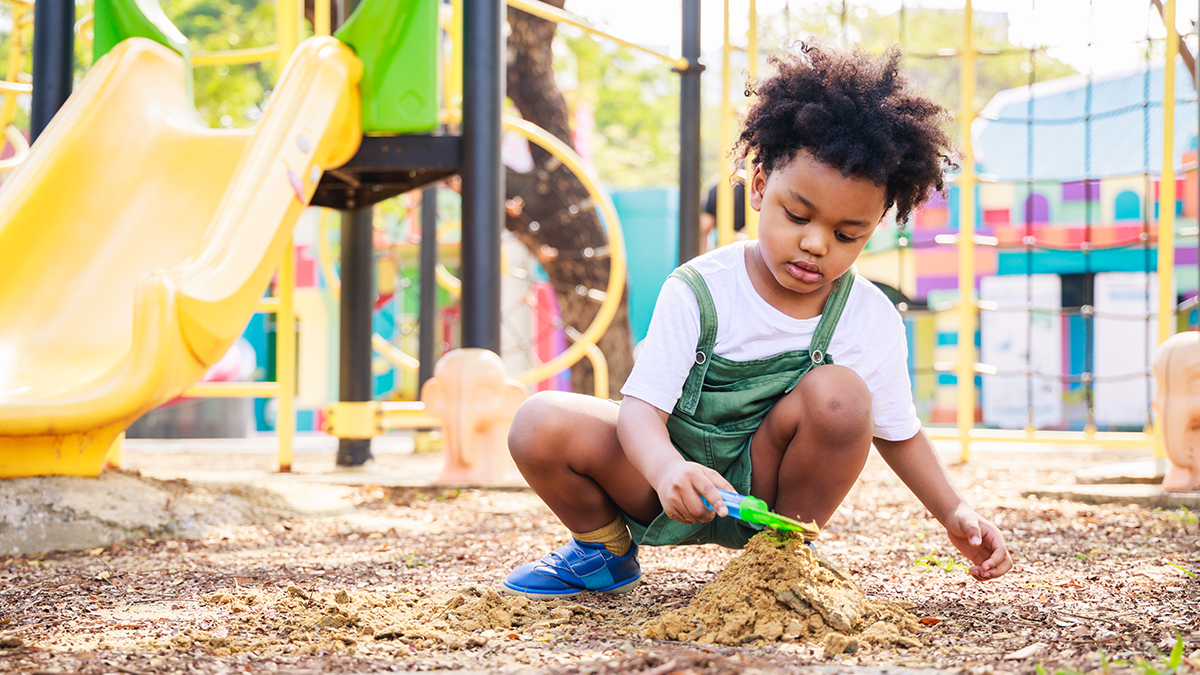
Not every family bonding experience requires a road trip or camping gear. Sometimes, the best memories are made just outside the back door. The backyard can transform into a hub of connection with activities like gardening, setting up a picnic, or organizing games of catch and tag.
Parents can use this time to teach children simple life skills—like planting seeds or preparing snacks—while also creating space for unstructured play. These familiar environments encourage comfort, but the shared activity adds meaning to otherwise ordinary moments.
Neighborhood Walks and Bike Rides
A short walk or bike ride around the neighborhood may seem simple, but it can become a cherished ritual. These outings allow parents and children to slow down and notice the world around them, from blooming flowers to new birds in the trees.
Conversations often flow more naturally when walking side by side, free from the pressure of sitting face-to-face. Children may share thoughts that might not come up at the dinner table, and parents gain valuable opportunities to listen. Over time, these small outings create traditions that strengthen the family bond.
Exploring Nature as a Family
Hiking and Nature Trails
Hiking offers families the chance to explore together while enjoying physical activity. Trails can be chosen to suit any age or ability, making hiking accessible for families with young children or teenagers alike. Along the way, families encounter discoveries—like a hidden stream or a striking rock formation—that spark curiosity and conversation.
Hikes also teach patience and perseverance. Children learn that sometimes the reward lies at the end of the trail, and parents model encouragement and teamwork when challenges arise. The shared sense of accomplishment when reaching a destination strengthens confidence and connection.
Camping Trips
Few activities bring families closer than camping. Away from Wi-Fi and screens, families must rely on each other for everything from pitching tents to cooking meals. Nights under the stars or around the campfire create an atmosphere of togetherness that lingers long after the trip ends.
Camping also provides countless teachable moments—whether it’s learning to start a fire, identifying constellations, or practicing responsibility with shared chores. These experiences deepen bonds while also equipping children with practical skills and resilience.
Visits to Parks and Lakes
Local parks, lakes, and rivers offer versatile opportunities for outdoor bonding. Families can fish, swim, play frisbee, or simply enjoy a picnic together. The change of environment helps spark curiosity and creativity while offering space for both relaxation and active play.
These outings also encourage families to appreciate the natural beauty in their own communities. Children learn that adventure doesn’t always require traveling far—it can be found in the park down the street or by the water’s edge.
Outdoor Sports and Games
Playing Sports Together
Sports offer a fun way to combine healthy competition with teamwork. Whether families gather for a soccer match, shoot hoops in the driveway, or play doubles tennis, they engage in cooperation, communication, and encouragement.
Parents who participate alongside their children model important values such as sportsmanship, perseverance, and positivity in both victory and defeat. These lessons carry over into other areas of life, reinforcing the idea that effort matters as much as outcomes.
Organizing Family Challenges
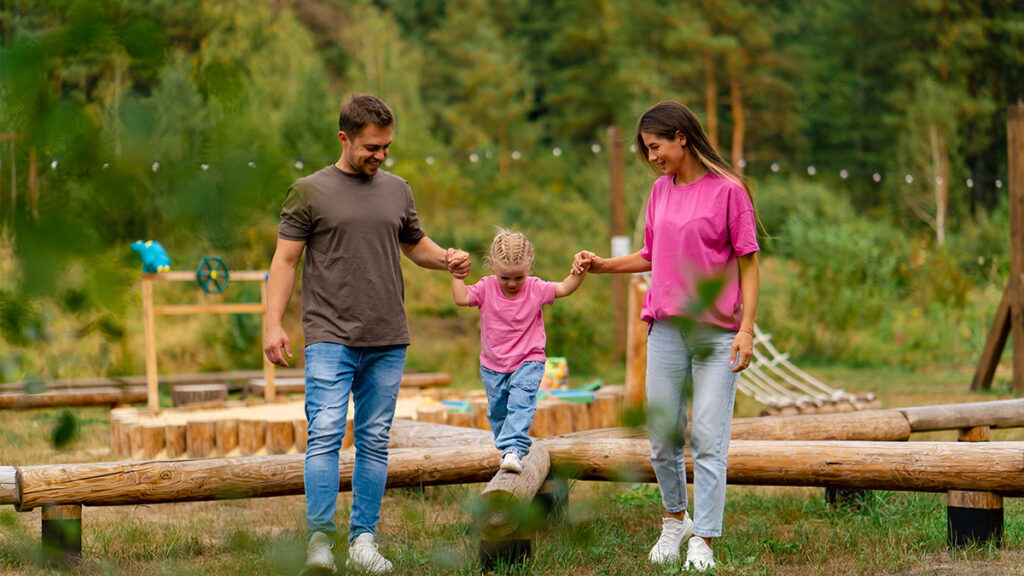
Family challenges—like obstacle courses, relay races, or scavenger hunts—add excitement and laughter to outdoor time. These activities spark creativity and imagination while requiring teamwork. Children often delight in the playful competition, while parents enjoy opportunities to engage with their children in energetic, lighthearted ways.
Seasonal Activities
Every season brings its own outdoor joys. Summer might mean swimming or beach outings, while autumn offers apple picking and hikes among colorful leaves. Winter creates opportunities for sledding, snowball fights, or ice skating, and spring brings gardening or kite flying.
By embracing seasonal activities, families create traditions that mark the passage of time and give children memories tied to the rhythms of nature.
Educational Outdoor Activities
Gardening Together
Gardening is both relaxing and educational. Families can plant vegetables, flowers, or herbs, learning patience and responsibility in the process. Children take pride in watching their plants grow, and the harvest provides a tangible reward for their efforts.
For parents, gardening creates opportunities to teach lessons about nature, sustainability, and healthy eating—all while enjoying meaningful time with their children.
Exploring Science Outdoors
The outdoors is a natural classroom. Parents can encourage curiosity by identifying insects, observing the stars, or studying how shadows change throughout the day. Simple science experiments conducted outside transform learning into play, sparking children’s imagination while fostering discovery.
Visiting Farms, Zoos, or Botanical Gardens
Trips to farms, zoos, or botanical gardens provide educational adventures that expand children’s understanding of the world. These experiences expose families to new environments, animals, and ecosystems, sparking conversations that connect learning with real-life exploration. The shared excitement of discovery strengthens both education and emotional connection.
Building Traditions Through Outdoor Activities
Family Rituals
Outdoor activities often become family rituals. A weekly park visit, an annual camping trip, or seasonal outings provide consistency and give children something to anticipate with joy. These rituals create structure while also reinforcing the message that family time is a priority.
Creating Memories
The memories created during outdoor activities often become the stories families cherish and retell for years. The funny mishap during a hike, the first fish caught at a lake, or the warmth of a shared campfire become part of the family narrative. These shared experiences strengthen identity and remind children of the joy of being together.
Strengthening Identity
When children grow up with outdoor traditions, they internalize a sense of family identity tied to those experiences. They may proudly say, “Our family hikes every fall” or “We always garden together in the spring.” This shared identity fosters belonging and pride while building stronger emotional ties.
Overcoming Challenges to Outdoor Family Bonding
Finding Time in Busy Schedules
Families often struggle to balance work, school, and daily demands. Scheduling outdoor time as intentionally as other commitments ensures that bonding doesn’t get lost. Even short periods—like a 20-minute walk after dinner—can have a powerful impact on connection.
Managing Different Interests
Family members may not always agree on what activity to do. Compromise is key. Parents can rotate activities or combine interests, ensuring that everyone feels included. For example, a trip might include both a picnic for relaxation and a game for active family members.
Dealing With Weather and Accessibility
Weather and limited access to outdoor spaces can sometimes be barriers. Families can prepare with flexible alternatives, like visiting covered outdoor areas or creating indoor versions of outdoor games. Adaptability shows children that family time is less about the activity itself and more about the effort to be together.
Long-Term Benefits of Outdoor Bonding
Families that prioritize outdoor activities enjoy benefits that extend well beyond the moment. Children raised with outdoor traditions develop healthier lifestyles, resilience, and a deep appreciation for nature. They also grow up with memories that reinforce their sense of belonging and security.
Parents, too, benefit from the stress relief and joy of outdoor bonding. These activities often bring generations together, allowing grandparents, parents, and children to share traditions and stories. Over time, outdoor bonding builds continuity, strengthens family identity, and fosters lifelong connections.
Conclusion
Outdoor activities for family bonding are not about elaborate adventures or expensive trips. They are about creating intentional moments of connection in natural settings. Whether through a walk around the block, a weekend hike, a playful backyard game, or a camping trip under the stars, outdoor experiences remind families to slow down, look up, and enjoy each other’s company.
In a world filled with constant distractions, choosing to spend time outdoors together is an act of love and commitment. These moments teach children that family is a source of joy, resilience, and comfort. They create memories that last a lifetime and traditions that shape identity.
Ultimately, outdoor family activities give far more than temporary fun. They build strong, lasting bonds that carry children into adulthood with confidence and warmth. By embracing the outdoors, families rediscover not only the beauty of nature but also the profound beauty of being together.