Importance of Play in Child Development

Introduction
Play is often mistaken as something children do only when they are not busy with “important” tasks like schoolwork, chores, or structured activities. To many adults, it may seem like simple entertainment or a way for kids to pass the time. But decades of research in psychology, education, and child development tell a different story: play is one of the most critical aspects of growing up.
From a baby reaching out for a rattle, to a preschooler stacking blocks into a castle, to older children inventing elaborate backyard adventures, play is a natural and vital part of childhood. It is through play that children make sense of their world, test their skills, and prepare for the demands of life. Far from being frivolous, play is a cornerstone of learning and growth that shapes children physically, socially, emotionally, and cognitively.
When parents and educators recognize the power of play, they not only foster joy but also nurture resilience, creativity, and a love of lifelong learning. This article explores the many dimensions of play in child development, the ways it evolves through different stages, and why child-led, unstructured play is as valuable as formal education.
The Role of Play in Physical Development
Building Strength, Coordination, and Motor Skills
Physical play lays the groundwork for children’s health and physical abilities. Activities such as running, climbing, jumping, or throwing balls strengthen muscles, improve balance, and enhance coordination. These gross motor skills are essential not only for sports and physical activity but also for everyday tasks.
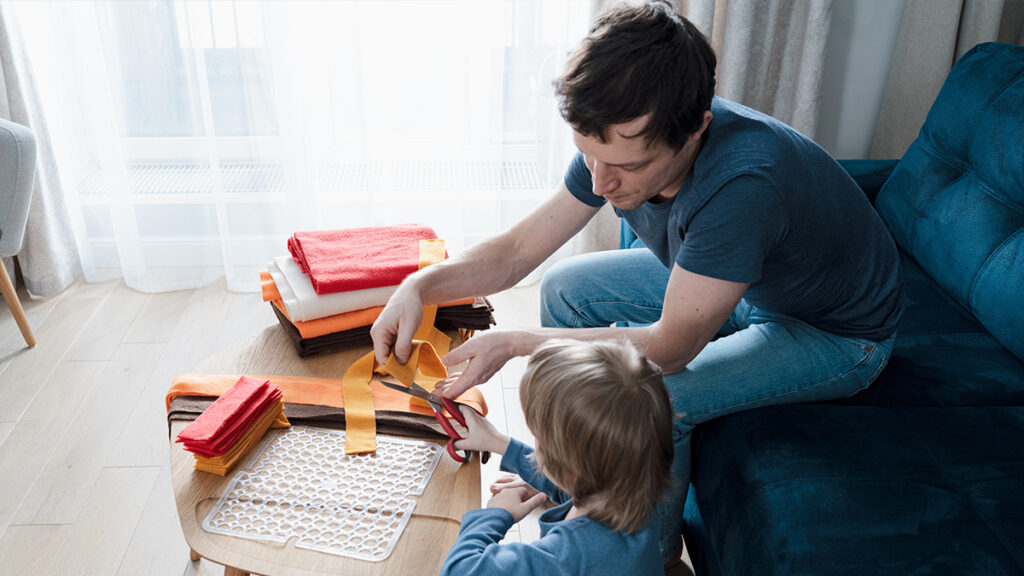
Fine motor play—like drawing, stacking blocks, or threading beads—sharpens hand-eye coordination and prepares children for tasks such as writing, using scissors, or tying shoelaces. Through play, children learn how their bodies move, what they are capable of, and where their limits lie, all while building confidence in their physical abilities.
Promoting Healthy Habits
Play naturally encourages movement, helping to counterbalance the sedentary lifestyle that can develop with excessive screen time. Outdoor play, in particular, supports cardiovascular health, bone strength, and overall fitness. Children who enjoy active play from an early age are more likely to carry these habits into adolescence and adulthood, lowering their risk for obesity and related health issues.
Beyond physical benefits, the joy children associate with play often makes exercise feel less like a chore and more like an exciting part of daily life. This creates a positive relationship with physical activity that lasts well into adulthood.
Play as a Tool for Cognitive Development
Enhancing Problem-Solving and Critical Thinking
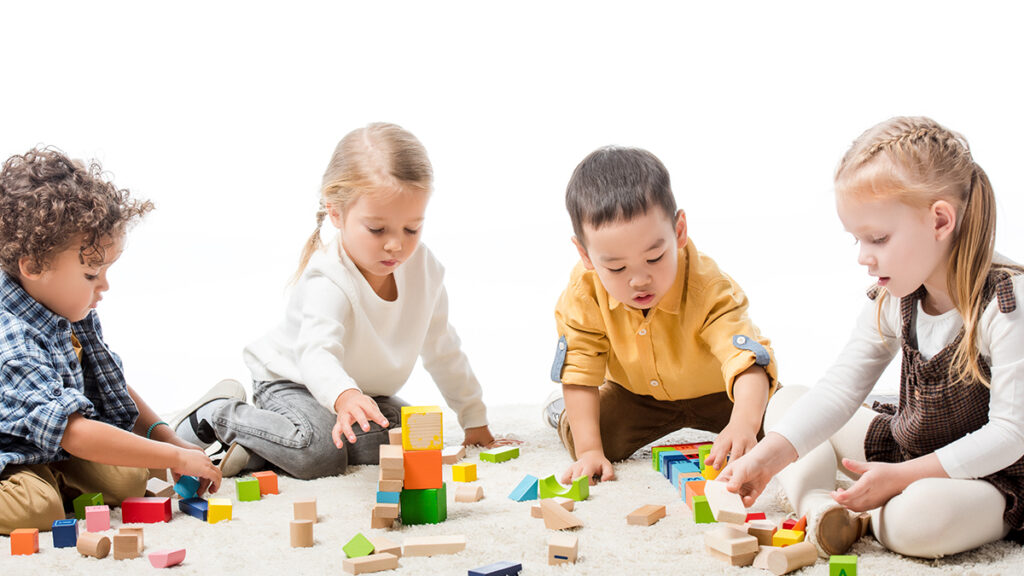
Play offers countless opportunities for children to think critically and creatively. Whether building a block tower, solving a puzzle, or inventing the rules for a game, children are constantly experimenting, strategizing, and adapting. They learn persistence when things don’t go as planned and develop flexibility when they need to change their approach.
These moments of trial and error foster problem-solving skills that carry over into academics and real-life situations. A child who learns to rebuild a block tower after it falls is also learning resilience and perseverance—qualities essential for success in school and beyond.
Supporting Language and Communication Skills
Language development flourishes during play. Pretend play, in particular, encourages storytelling, dialogue, and role-playing, all of which expand vocabulary and improve sentence structure. Group games require children to negotiate rules, explain ideas, and listen to others, helping them practice effective communication.
Even solitary play—when children narrate their actions or talk to imaginary characters—enhances self-expression and language fluency. Through these playful interactions, children not only practice words but also learn how language functions in different social contexts.
Stimulating Imagination and Creativity
Imaginative play—sometimes called “make-believe” or “pretend play”—is one of the most powerful tools for cognitive growth. When children invent scenarios, create characters, or design stories, they are exercising creativity and abstract thinking.
This type of play nurtures innovation and flexibility, qualities that are highly valued in our fast-changing world. Children who practice creative thinking during play are more likely to approach challenges in original and adaptable ways later in life.
Social Development Through Play
Learning Cooperation and Teamwork
Play is often social, requiring children to interact, share, and collaborate. Group games, team sports, or cooperative projects help children understand the value of compromise and collective effort. They learn that rules make games fair, that everyone’s contributions matter, and that working together often leads to success.
These experiences form the foundation for teamwork and cooperation, skills that are crucial in classrooms, friendships, and future workplaces.
Developing Empathy and Perspective-Taking
Pretend play allows children to “step into someone else’s shoes.” When a child pretends to be a doctor, a parent, or even a superhero, they are experimenting with different perspectives and emotions. This builds empathy by helping them imagine how others might feel or think in certain situations.
Developing empathy early through play enhances children’s ability to form meaningful relationships, resolve conflicts, and navigate social complexities later in life.
Managing Conflict
Conflict is a natural part of play, especially when multiple children are involved. Disagreements over rules, turns, or roles create opportunities for children to practice conflict resolution.
With adult guidance, these moments become valuable lessons in negotiation, compromise, and patience. Over time, children learn that disagreements don’t have to end relationships and that solutions can be found through communication.
Emotional Growth Through Play
Expressing Feelings Safely
Play provides children with a safe space to express emotions that might otherwise overwhelm them. A child who has had a stressful doctor’s visit may reenact the experience in pretend play to process their feelings. Others may use art, building, or physical activity as outlets for emotions like anger, sadness, or excitement.
These playful expressions allow children to work through their emotions, making them feel more manageable and less intimidating.
Building Confidence and Self-Esteem
Each new skill mastered through play—whether climbing higher, solving a puzzle, or creating a piece of art—provides children with a sense of accomplishment. These small victories build confidence and encourage them to take on greater challenges.
Positive reinforcement from peers and adults during play further boosts self-esteem, teaching children to believe in their abilities and value their contributions.
Encouraging Resilience
Play often involves risks and setbacks: a tower collapses, a ball is missed, or a plan doesn’t go as expected. These challenges teach children to persevere and adapt.
By learning that mistakes are not failures but opportunities to try again, children develop resilience—a quality that helps them handle challenges and stress throughout life.
The Role of Play Across Developmental Stages
Infancy and Early Toddlerhood
Play begins with the simplest interactions: peek-a-boo, shaking rattles, or exploring textures. These early forms of play stimulate sensory development and build foundational motor skills.
As toddlers grow, play becomes more exploratory and imitative. They begin to mimic adult actions, experiment with basic pretend play, and explore their environment with curiosity. These early experiences set the stage for more complex play later on.
Preschool Years
Imaginative play reaches its peak during the preschool years. Children create elaborate storylines, assign roles, and practice social interaction through pretend games. Structured play, such as simple board games, also begins to emerge, teaching rules, patience, and fairness.
Play during this stage directly supports school readiness by strengthening attention spans, problem-solving abilities, and cooperative skills.
School-Aged Children
Older children engage in more structured and skill-based play. Sports, board games, and creative projects encourage teamwork, strategy, and persistence. Friendships become increasingly central, and play is often the glue that strengthens these bonds.
At this stage, play also provides a much-needed break from academic pressures, offering relaxation and opportunities for self-expression.
Adolescence
Though teenagers may not “play” in the same ways as younger children, play remains essential. Sports, video games, creative hobbies, and social activities provide stress relief, encourage teamwork, and nurture creativity. Adolescents who maintain playful outlets are better equipped to balance the pressures of school, relationships, and growing responsibilities.
The Importance of Unstructured Play
Freedom to Explore
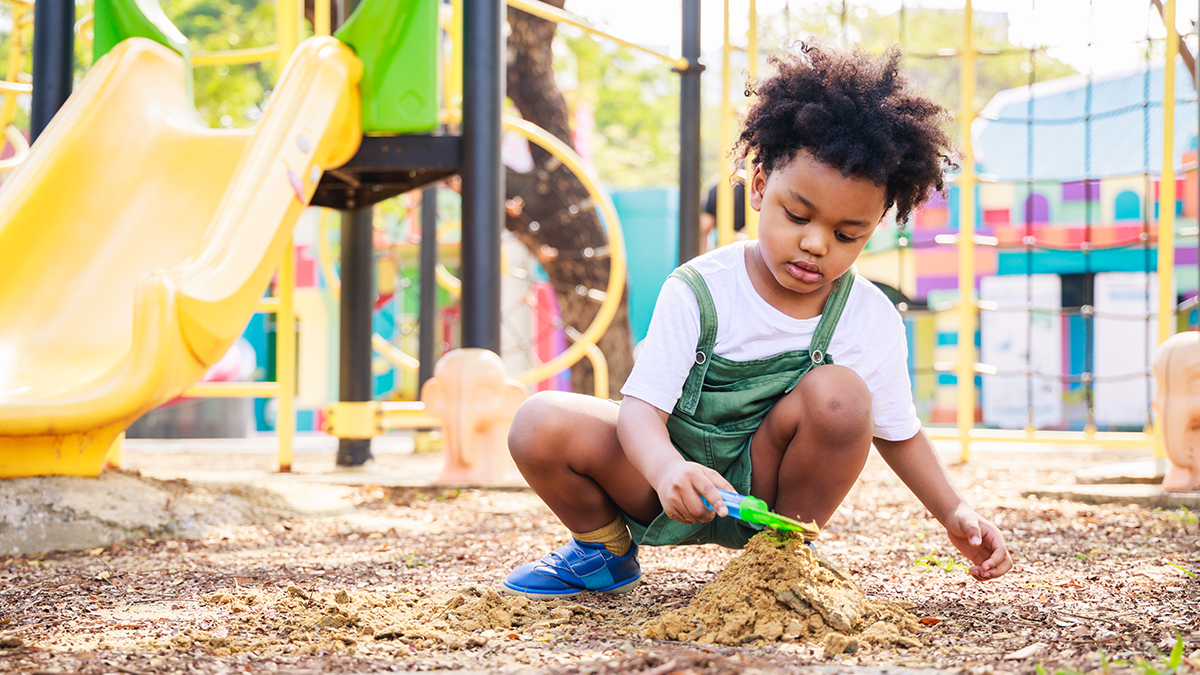
Unstructured play—when children take the lead without rigid rules or adult direction—is especially valuable. It allows children to follow their curiosity, invent their own games, and explore the world at their own pace.
Building forts, inventing new games, or exploring nature encourages independence, decision-making, and self-discovery. This freedom is essential for building autonomy and confidence.
Balancing Structure and Freedom
While structured activities like sports and lessons are beneficial, overscheduling can crowd out opportunities for free play. Children need downtime to recharge, explore, and play on their own terms.
Parents who intentionally create room for unstructured play give their children the gift of balance—supporting both growth and well-being.
Play in the Digital Age
Benefits of Digital Play
Digital play is now a reality of modern childhood. Educational apps, interactive games, and online platforms can promote problem-solving, collaboration, and creativity. When used thoughtfully, technology can supplement traditional play and even bring families together.
Risks of Excessive Screen Time
However, too much digital play—especially passive activities like endless scrolling—can limit opportunities for active, imaginative, and social play. Excessive screen time can also interfere with sleep, physical activity, and emotional regulation.
Creating Balance
The key lies in balance. Families who thoughtfully integrate digital play—choosing educational content, playing together, and setting boundaries—can enjoy its benefits while still prioritizing physical, imaginative, and social play. Encouraging outdoor adventures, family games, and creative hobbies ensures children experience the full spectrum of play.
The Role of Adults in Supporting Play
Providing Time and Space
Children need both time and safe environments for play. Parents and educators can support this by protecting downtime in children’s schedules and providing safe, stimulating spaces. Overloaded calendars filled with structured activities leave little room for spontaneous, creative play.
Engaging as Partners in Play
While independent play is important, adult participation enriches the experience. When parents join in building, storytelling, or imaginative games, they strengthen bonds and model positive interaction. These shared moments create lasting memories while reinforcing communication and problem-solving skills.
Advocating for Play in Education
Schools and communities play an equally important role. Recess, physical education, and creative subjects ensure children are not deprived of play in favor of academics alone. Advocating for play in educational settings helps protect this essential aspect of child development.
Conclusion
Play is not a luxury or a distraction—it is the foundation of childhood development. Through play, children strengthen their bodies, sharpen their minds, express emotions, and build the social skills that carry into adulthood. Whether running outdoors, inventing imaginary worlds, or solving puzzles, play equips children with the confidence, resilience, and creativity needed for lifelong success.
In an era where structured schedules and digital distractions often dominate, it is more important than ever to protect time for play. Parents, educators, and communities must honor its value and create opportunities for children to explore, imagine, and grow.
By preserving and promoting play, we are not just supporting children in the moment—we are giving them tools to thrive in the future, to approach life with resilience, joy, and an enduring sense of curiosity.