Positive Discipline Strategies for Toddlers

Introduction
Parenting toddlers can feel like trying to catch a whirlwind—full of energy, big emotions, endless curiosity, and just as many challenges. At this stage, toddlers are discovering the world and testing their independence, but they are also still learning how to manage their feelings and behaviors. This combination often leads to tantrums, defiance, and constant testing of boundaries. For many parents, it can feel overwhelming, frustrating, and even discouraging at times.
But here’s the good news: guiding toddlers through these formative years doesn’t have to mean punishment or fear. Instead, it’s about teaching, modeling, and guiding with patience and empathy. This is where positive discipline comes in.
Positive discipline strategies shift the focus away from punishment and toward teaching. They help toddlers understand the consequences of their actions, while also building respect, trust, and cooperation between parent and child. With consistency, empathy, and a calm approach, parents can foster self-control, problem-solving, and emotional intelligence in their toddlers.
In this article, we’ll explore what positive discipline really means, why it’s essential during the toddler years, and practical strategies parents can use daily to raise confident, resilient, and respectful children.
Understanding Positive Discipline
What Positive Discipline Really Means
Positive discipline doesn’t mean letting children run wild or ignoring misbehavior. Instead, it is about guiding behavior with respect and compassion while setting clear and consistent boundaries. Unlike traditional discipline methods that often rely on punishment or fear, positive discipline is rooted in teaching and reinforcing appropriate behavior in ways that support a child’s development.
At its core, positive discipline is built on mutual respect. Parents acknowledge that toddlers are still learning and need gentle guidance, while children learn that their emotions matter—even if certain behaviors are not acceptable. This two-way respect builds trust, strengthens the parent-child bond, and lays the groundwork for future cooperation and open communication.
Why It Matters for Toddlers
Toddlers are in a stage of rapid growth—emotionally, socially, and cognitively. They crave independence but often don’t yet have the skills to regulate their emotions or fully understand rules. Positive discipline helps them practice self-regulation in a nurturing way. Instead of being afraid of making mistakes, toddlers raised with positive discipline feel safe to explore, knowing their parents provide both structure and empathy.
Research has shown that harsh punishment can negatively impact a child’s emotional well-being, leading to fear-based behavior instead of genuine understanding. In contrast, positive discipline fosters resilience, empathy, problem-solving skills, and long-term emotional health that extends well beyond the toddler years.
The Foundations of Positive Discipline
Connection Before Correction
The most important part of positive discipline is emotional connection. When toddlers feel secure and understood, they are much more likely to cooperate. Responding with empathy instead of anger helps children feel valued. For example, when a toddler throws a tantrum, a parent who kneels down to their level, acknowledges their frustration, and offers comfort before addressing the behavior is teaching empathy as well as self-control.
Consistency and Predictability
Toddlers thrive on routine and predictability. When rules are consistent and consequences are clear, children feel safer because they know what to expect. On the other hand, inconsistency often leads to confusion, insecurity, and more misbehavior. By creating firm but fair boundaries, parents help toddlers learn responsibility while still feeling supported.
Modeling Desired Behavior
Children learn more from what they see than what they are told. Parents who model patience, kindness, and healthy problem-solving provide living examples of how to handle life’s challenges. For instance, when a parent responds calmly to stress rather than yelling, their toddler learns by observing. This form of teaching is subtle but incredibly powerful in shaping long-term behavior.
Positive Discipline in Everyday Situations
Handling Tantrums with Patience
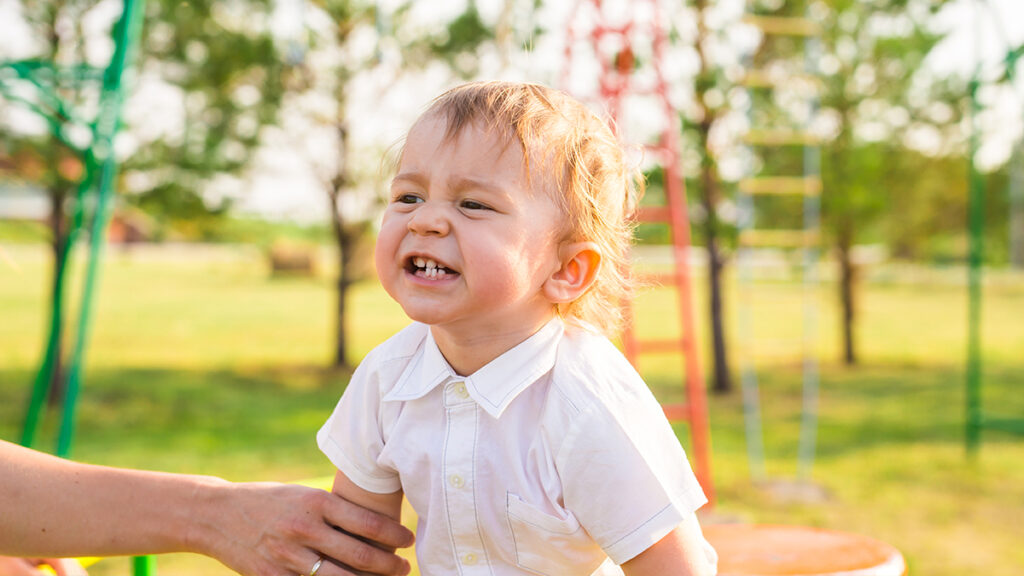
Tantrums are an inevitable part of toddlerhood. They often happen when children are frustrated, tired, or struggling to express themselves verbally. Instead of treating tantrums as misbehavior to punish, positive discipline reframes them as teaching moments. Parents can remain calm, validate the child’s feelings, and wait until the child is ready to re-engage. Later, when calm has been restored, discussing what happened teaches toddlers that while emotions are okay, hitting, screaming, or throwing things are not.
Redirecting Negative Behavior
Sometimes toddlers act out because they are bored, frustrated, or simply seeking attention. Redirecting their behavior toward something more positive can often work better than scolding. For example, if a toddler is throwing blocks, instead of punishing them, a parent can encourage building a tower or suggest an energetic but safe activity. Redirection helps toddlers channel their emotions into healthier actions while teaching them appropriate ways to cope.
Setting Clear Limits with Kindness
Boundaries are essential for toddlers, but how they are communicated makes all the difference. Positive discipline encourages parents to set limits calmly, firmly, and respectfully. Instead of saying, “You’re so naughty for making a mess,” a parent might say, “Crayons stay on the paper. Let’s clean this up together.” This communicates the boundary clearly while respecting the child’s dignity.
Encouraging Cooperation and Independence
Offering Choices Within Limits
Toddlers often resist authority because they want control over their environment. Offering choices within boundaries gives them a sense of independence without overwhelming them. For example, letting a toddler choose between two snacks or two outfits allows them to feel empowered while maintaining structure. This not only reduces power struggles but also nurtures decision-making skills.
Praising Effort, Not Just Results
Praise is most effective when focused on effort rather than outcomes. Instead of praising only success (“Good job finishing the puzzle”), parents can highlight effort (“I love how hard you worked to fit those pieces together”). This builds resilience and intrinsic motivation, teaching toddlers that perseverance is just as important as results.
Encouraging Problem-Solving
Conflicts, such as fighting over toys, are common at this age. Instead of simply taking the toy away, parents can guide toddlers to think of solutions: “How can we share this so both of you are happy?” While toddlers may not always have perfect answers, encouraging them to think through solutions builds early problem-solving skills and empathy.
Discipline Without Punishment
Why Time-Outs Are Not Always Effective
Traditional time-outs can often backfire with toddlers. Instead of teaching them how to manage their emotions, time-outs may create feelings of rejection or shame. Positive discipline reframes this approach into “time-ins”—moments where the parent stays close, offering calm presence until the child regains self-control. This strengthens the bond instead of isolating the child.
Natural and Logical Consequences
Instead of arbitrary punishments, positive discipline emphasizes natural and logical consequences. Natural consequences happen on their own—for example, if a toddler refuses to wear a coat, they feel cold and learn why dressing warmly is important. Logical consequences are parent-guided and connected directly to behavior. For instance, if a toddler throws food, mealtime ends until they’re ready to eat respectfully. Delivered calmly, these lessons are far more effective than punishment.
Teaching Instead of Shaming
Shaming words like “bad boy” or “naughty girl” can damage a toddler’s self-esteem. Positive discipline separates behavior from identity. Saying, “Throwing toys is not safe. Let’s use them for building instead” corrects the behavior without attacking the child’s sense of worth. This encourages growth without guilt or shame.
Positive Discipline Across Toddler Development
Early Toddlers (12–24 Months)
At this stage, toddlers are just beginning to explore boundaries. Positive discipline should focus on safety, gentle redirection, and consistency. Since language is still developing, parents can use simple phrases, modeling, and nonverbal cues to guide behavior.
Older Toddlers (2–3 Years)
With growing verbal skills come bigger emotions and stronger independence. Tantrums often peak at this stage. Positive discipline strategies here should emphasize validating feelings, offering limited choices, and encouraging cooperation. Clear routines help toddlers balance their desire for independence with the need for parental structure.
Preschool Transition (3–4 Years)
As toddlers approach preschool, they begin to understand rules and consequences more clearly. Parents can begin introducing problem-solving conversations, encouraging empathy, and involving children in setting simple family expectations. The habits built during toddlerhood create a smoother transition into early childhood and beyond.
The Role of Parents in Positive Discipline
Patience and Self-Regulation
Toddlers are still learning how to regulate their emotions, and they depend heavily on parents to show them how. Parents who remain patient and regulate their own emotions during conflicts provide a living example for their children. Taking a deep breath, speaking calmly, and responding thoughtfully turns difficult moments into valuable lessons.
Building Trust Through Consistency
Trust grows when parents are consistent in both expectations and responses. When toddlers know what to expect, they feel secure and are more likely to cooperate. Inconsistent discipline, on the other hand, leads to confusion and undermines the trust children have in their parents.
Self-Care for Parents
Parenting toddlers is rewarding but also exhausting. Parents must prioritize their own well-being in order to stay patient and empathetic. Whether it’s taking short breaks, engaging in hobbies, or connecting with supportive communities, self-care gives parents the strength to handle the challenges of toddlerhood with love and consistency.
Conclusion
Positive discipline during the toddler years is not about controlling behavior through punishment but about teaching children self-control, empathy, and cooperation. By focusing on connection, respect, and consistency, parents can transform everyday challenges into moments of growth.
Tantrums, defiance, and testing boundaries are not signs of failure—they are natural parts of development. When parents respond with patience and empathy, they nurture more than good behavior—they build trust, emotional intelligence, and resilience in their children.
No parent is perfect, and positive discipline does not require perfection. What matters most is the commitment to raising children with love, respect, and guidance. By practicing positive discipline, parents lay the foundation for a strong, healthy, and lasting relationship with their children—one that will support them not only through toddlerhood but through every stage of life.