How to Cultivate Patience Daily


Introduction
We live in an era where instant gratification has become the norm. Messages arrive in seconds, groceries appear at our doors within hours, and answers to nearly any question can be found with a few taps on a screen. This culture of immediacy has conditioned us to expect speed in almost every area of life. And yet, reality often resists those expectations. Traffic jams, workplace challenges, relationship struggles, and long-term goals all require time and persistence. When things don’t unfold as quickly as we’d like, impatience surfaces.
Patience, however, is more than simply waiting without complaint. It is a profound practice of emotional intelligence, resilience, and self-control. It allows us to choose thoughtful responses over impulsive reactions, strengthening relationships, supporting mental well-being, and enabling long-term growth. Like mindfulness or gratitude, patience is not an innate quality for most—it is a skill, one that must be cultivated intentionally and practiced daily.
In this article, we will explore the importance of patience, the forces in modern life that erode it, and strategies for developing patience as a steady, lifelong companion.
Understanding the Value of Patience
Why Patience Matters in Daily Life
Patience is not passivity; it is an active form of strength. It demonstrates the ability to manage emotions, endure discomfort, and maintain perspective when faced with difficulty. In professional environments, patience helps us adapt to deadlines, handle setbacks, and collaborate effectively. In personal life, it deepens empathy, prevents unnecessary conflict, and creates space for genuine understanding.
Most importantly, patience acts as a buffer against stress. Impatience tends to amplify frustration and push us toward rash decisions. Patience, by contrast, allows us to stay calm, think clearly, and make balanced choices, even under pressure.
The Link Between Patience and Mental Health
Psychological studies consistently reveal that patient individuals report higher levels of satisfaction, lower stress, and greater emotional stability. Patience fosters resilience by helping people navigate uncertainty without collapsing into despair. It also protects mental health by reducing the intensity of negative emotions and preventing impulsive reactions that can lead to regret.
Seen this way, patience is not only a moral virtue but a powerful tool for psychological balance.
Why Patience Is Difficult in Modern Times
The Culture of Instant Gratification
Our fast-paced world has eroded tolerance for waiting. We are accustomed to rapid results—whether it’s streaming entertainment on demand or same-day deliveries. While convenience has its advantages, it also weakens our ability to endure delays. Even minor inconveniences, like a slow internet connection, can spark outsized frustration. Patience now requires intentional cultivation rather than being taken for granted.
Stress and Overcommitment
Another barrier is the relentless pace of modern life. With overflowing schedules, constant notifications, and mounting responsibilities, many people feel perpetually pressed for time. When already overwhelmed, even small setbacks feel unbearable, fueling impatience.
This chronic sense of urgency transforms waiting into a threat rather than an opportunity to pause.
Unrealistic Expectations
Impatience often stems from unrealistic expectations. Many of us expect career progress, personal growth, or relationship milestones to happen quickly and smoothly. When reality proves slower and messier, frustration sets in. Cultivating patience means recalibrating expectations—acknowledging that meaningful progress unfolds gradually and often non-linearly.
Cultivating Patience Through Self-Awareness
Recognizing Triggers
The first step toward patience is awareness. What situations most test your calm? Is it waiting in long lines, enduring traffic, or waiting for a dream opportunity to manifest? By noticing patterns of irritation, you can prepare to respond more intentionally when those situations arise. Awareness transforms unconscious reactivity into conscious choice.
Practicing Emotional Regulation
Once triggers are identified, the challenge is regulating your response. Instead of reacting instantly with irritation, practice pausing. Take a breath. Count to ten. Create space between stimulus and response. This moment of pause is powerful—it shifts reactions from instinctive to thoughtful. With time, emotional regulation strengthens, making patience more natural even in stressful scenarios.
Daily Practices That Strengthen Patience
Mindfulness and Presence
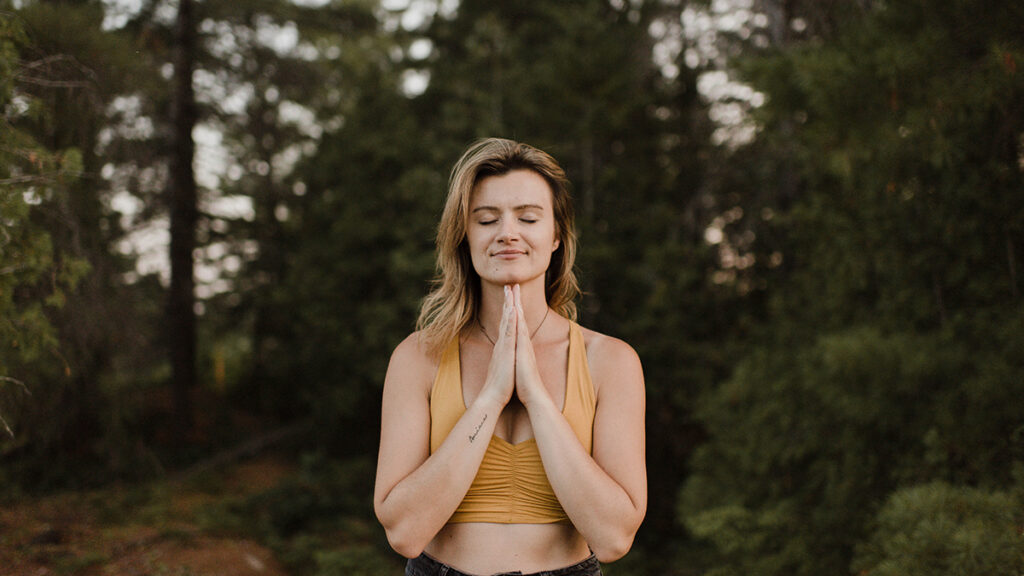
Mindfulness is one of the most effective ways to cultivate patience. By focusing attention on the present, we learn to accept reality as it is, rather than resisting it. Simple practices like mindful breathing, body scans, or silent observation of surroundings train the mind to slow down. In doing so, frustration decreases, and patience grows.
Mindfulness reminds us that waiting is not wasted time—it is simply time we can inhabit differently.
The Role of Gratitude
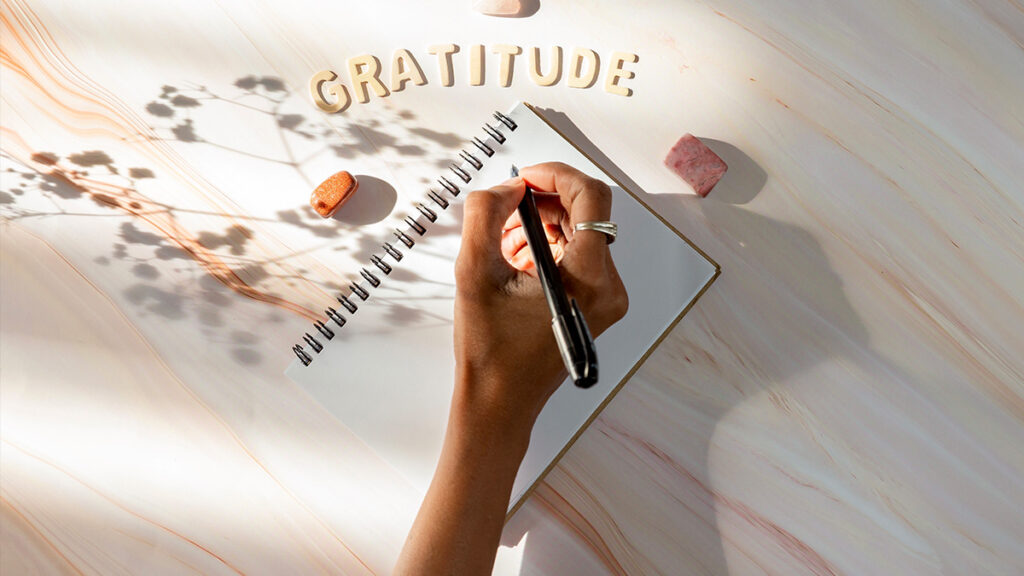
Gratitude reshapes impatience by shifting attention from what is missing to what is already present. Impatience often arises from longing for something more or different. Gratitude anchors us in appreciation for small progress and everyday blessings. A daily gratitude practice—through journaling, affirmations, or reflection—helps foster a patient mindset rooted in contentment rather than restlessness.
Building Tolerance for Delays
Patience is like a muscle, and it grows stronger when exercised. One way to practice is by intentionally embracing small delays. Instead of scrolling through your phone while waiting in line, observe your surroundings or reflect on your day. Instead of becoming irritated at red lights, use the moment to breathe deeply. These micro-practices train the mind to endure discomfort calmly, gradually expanding patience in larger areas of life.
Patience in Relationships
Listening Without Interrupting
Relationships flourish when patience is practiced in communication. Listening fully without interrupting is an act of respect and empathy. It shows the other person that their perspective is valued and creates space for deeper understanding. By resisting the urge to rush into responses, conversations become more thoughtful, and bonds grow stronger.
Navigating Conflict
Conflict is one of the greatest tests of patience. Emotions flare, and the temptation to react impulsively is strong. Yet patience provides the pause necessary to de-escalate tension and respond constructively. Instead of lashing out, patient individuals step back, process emotions, and approach disagreements with clarity. This patience often transforms conflict into growth rather than division.
Patience in Professional Life
Managing Long-Term Goals
Careers rarely unfold overnight. Success, recognition, and mastery often require years of dedication. Impatience along this journey can lead to dissatisfaction or reckless decisions. Patience allows professionals to stay the course, learn from setbacks, and adapt as needed. By focusing on steady progress rather than immediate results, individuals position themselves for sustainable growth.
Collaboration and Teamwork
Patience is also critical in teamwork. Collaborating with others means navigating differences in pace, style, and perspective. Impatience can fracture trust and undermine productivity. Patience, however, fosters cooperation, respect, and innovation. It creates an environment where diverse ideas are welcomed and challenges are approached with flexibility rather than frustration.
The Role of Perspective in Patience
Embracing Uncertainty
Life is unpredictable. Impatience often arises from our desire to control outcomes or rush toward certainty. Patience, however, involves embracing uncertainty as an inevitable part of life. By focusing on what can be controlled and accepting what cannot, we release anxiety and foster resilience. Uncertainty becomes less threatening when viewed as part of growth.
The Bigger Picture
Impatience magnifies discomfort by focusing too narrowly on immediate frustrations. By zooming out to the bigger picture, we recognize delays and setbacks as small steps within a larger journey. This shift in perspective transforms waiting from a burden into part of a meaningful process, encouraging persistence and calmness.
Cultivating Patience as a Lifelong Practice
Small Daily Choices
Patience is not built overnight; it grows through small, daily choices. Choosing to stay calm in traffic, tolerating minor frustrations at work, or being gentle with loved ones during stressful times are each opportunities to strengthen patience. Over time, these moments accumulate into a resilient, patient mindset.
Self-Compassion and Patience With Yourself
Perhaps the most overlooked aspect of patience is learning to extend it inward. Many of us are harshest with ourselves, expecting perfection or immediate progress. Patience with oneself—allowing time for mistakes, growth, and learning—is the foundation of genuine self-compassion. When we practice patience internally, it becomes easier to offer it outwardly to others and to life itself.
Conclusion
Patience may feel rare in today’s world of speed and immediacy, but it is one of the most powerful skills we can cultivate. It allows us to move through challenges with grace, strengthens mental resilience, and enriches both personal and professional relationships. Cultivating patience daily is not about suppressing frustration but about learning to respond to life’s delays with calmness and perspective.
Through mindfulness, gratitude, awareness of triggers, and intentional practice, patience gradually becomes second nature. It transforms waiting from wasted time into an opportunity for reflection and growth. More importantly, it fosters inner peace in a world that often feels chaotic and uncertain.
Ultimately, patience is not just about how long we wait—it is about how we wait, and the grace we bring to each moment. By cultivating patience daily, we not only strengthen ourselves but also create a calmer, more compassionate world around us.