How to Develop Healthy Eating Habits


Introduction
Healthy eating is about much more than following the latest diet trend or cutting out entire food groups. It is about building sustainable, life-long habits that nourish both the body and the mind. In today’s world, where fast food is just a drive-thru away, processed snacks are stacked on every shelf, and packed schedules often push meals to the background, cultivating healthy eating habits can feel daunting. Yet, how we fuel our bodies has a profound impact on our energy levels, productivity, mood, and overall well-being.
The journey toward healthier eating is not about drastic overnight changes. Instead, it’s about making intentional, consistent choices that align with your lifestyle and values. When practiced over time, these choices become second nature, transforming eating from a daily struggle into an effortless act of self-care. This article explores the foundations of nutrition, the role of mindset in food choices, and practical strategies for developing habits that support lifelong health and vitality.
Understanding the Importance of Healthy Eating
Food as Fuel for the Body
At its core, food is fuel. Every meal provides the body with the nutrients it needs to perform countless daily functions—repairing cells, strengthening immunity, balancing hormones, and powering the brain. A diet rich in whole foods such as fresh vegetables, fruits, lean proteins, whole grains, and healthy fats supplies the vitamins and minerals required for optimal functioning.
In contrast, diets overloaded with refined sugars, trans fats, and heavily processed ingredients tend to deplete energy, contribute to weight gain, and raise the risk of chronic illnesses like diabetes and heart disease. When we begin to view food not merely as comfort or convenience but as the foundation of health, our relationship with eating changes. Shifting perspective from short-term cravings to long-term vitality is the first step toward building habits that truly nourish.
The Connection Between Nutrition and Mental Health
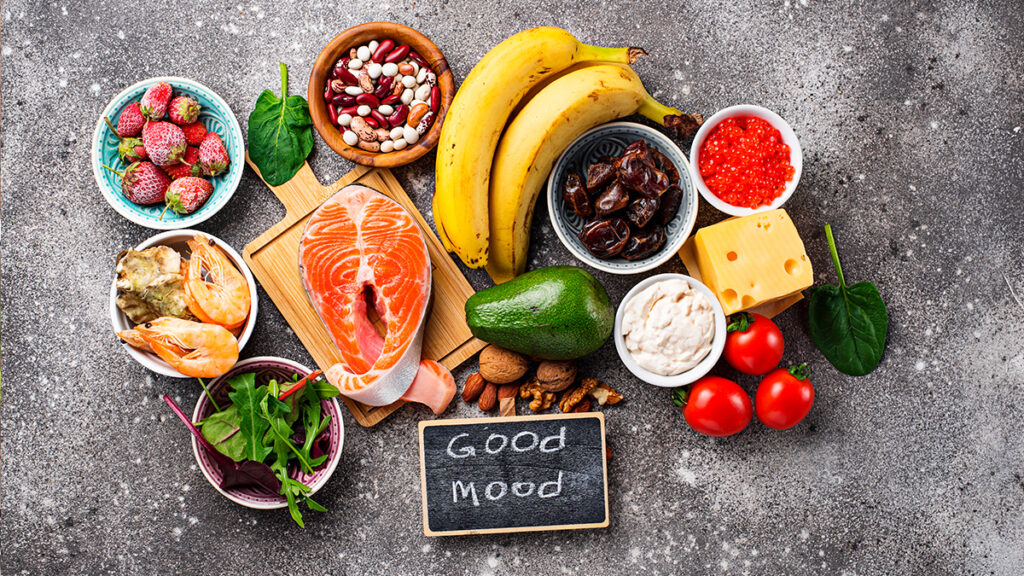
Nutrition is not only about physical health—it plays a critical role in mental well-being. Numerous studies link diets rich in whole foods to lower rates of depression and anxiety. On the other hand, heavy consumption of processed and sugary foods can worsen mood swings, reduce concentration, and impair overall cognitive function.
Nutrients such as omega-3 fatty acids, magnesium, and B vitamins directly influence neurotransmitters like serotonin and dopamine, which regulate mood. This demonstrates that what we eat affects how we feel. By prioritizing nutrient-dense foods, we strengthen not only the body but also emotional balance, mental clarity, and resilience in the face of life’s challenges.
The Role of Habits in Nutrition
Why Habits Matter
Habits are the silent drivers of behavior. They determine not only what we eat, but also how, when, and why we eat. For example, reaching for a cookie during an afternoon slump may be less about genuine hunger and more about routine. By becoming aware of these patterns, individuals gain the power to replace unhelpful behaviors with healthier ones.
The beauty of developing habits is that they minimize the need for constant decision-making. Instead of relying on sheer willpower for every meal, habits streamline choices so that nutritious eating becomes automatic. Over time, small, consistent decisions compound into major health benefits, making healthy eating an effortless part of daily life.
Breaking Free from Unhealthy Patterns
Unhealthy eating patterns often stem from convenience, stress, or emotional triggers. Skipping meals, overeating during late nights, or using food as a coping mechanism for anxiety are common habits that undermine well-being. Breaking these cycles requires both awareness and intentional substitution.
Rather than focusing solely on restriction, success lies in introducing healthier alternatives—swapping soda for sparkling water, choosing fruit over candy, or preparing homemade meals instead of takeout. Over time, healthier options begin to replace old patterns, crowding out less supportive choices.
Building the Foundations of Healthy Eating Habits
Mindful Eating Practices
One of the most effective ways to transform eating habits is through mindfulness. Mindful eating is about fully engaging with the experience of eating—savoring flavors, noticing textures, and tuning into hunger and fullness signals. By slowing down and eating with awareness, people often find themselves naturally eating less, enjoying food more, and improving digestion.
Mindful practices include eating without distractions, chewing thoroughly, and checking in with emotions before meals. Asking, “Am I truly hungry, or am I stressed?” can help prevent emotional eating. Over time, mindful eating nurtures a healthier, more intentional relationship with food.
Balance and Moderation
Healthy eating is not about rigid restrictions or labeling foods as “good” or “bad.” Instead, it is about finding balance and practicing moderation. Restrictive diets often backfire, leading to cravings, guilt, and cycles of overeating. A balanced approach encourages variety and flexibility, making room for occasional indulgences without derailing progress.
This mindset fosters sustainability. By understanding portion sizes and frequency rather than focusing on elimination, individuals create eating patterns that are realistic, enjoyable, and long-lasting. Balance ensures that healthy eating is a lifestyle, not a temporary phase.
Planning and Preparation
One of the biggest barriers to healthy eating is lack of preparation. Busy lives make it easy to default to fast food or processed snacks. Meal planning is the antidote. By preparing simple, nutritious meals ahead of time, healthy eating becomes more convenient than unhealthy alternatives.
Meal prep does not have to be elaborate. Washing vegetables, cooking grains in bulk, or portioning snacks at the start of the week ensures that healthier choices are always within reach. With just a bit of foresight, meal preparation creates structure and consistency, reducing reliance on willpower in the moment.
The Influence of Environment and Social Factors
Creating a Supportive Food Environment
Our surroundings heavily shape our choices. When the kitchen is stocked with fresh produce, whole grains, and healthy snacks, it becomes much easier to eat well. Conversely, when chips and candy are always in sight, resisting temptation requires constant effort.
Designing an environment that supports healthy eating—keeping fruit on the counter, placing healthier snacks at eye level, or storing indulgences out of immediate reach—reinforces positive habits. Similarly, being intentional in restaurants, grocery stores, and workplaces allows individuals to maintain balance even outside the home.
The Role of Community and Relationships
Food is social. The people we eat with influence our habits, whether through shared meals, cultural traditions, or peer pressure. Supportive relationships can make all the difference in building healthier eating patterns. Friends, family, or communities that value wellness provide accountability, encouragement, and inspiration.
Cooking together, exchanging healthy recipes, or participating in wellness challenges strengthens not only habits but also relationships. Surrounding yourself with people who respect your health goals makes it easier to stay consistent and motivated.
Overcoming Challenges in Developing Healthy Habits
Managing Cravings and Emotional Eating
Cravings are natural, and emotional eating is common, especially during stressful times. The key is not to suppress these urges but to understand and manage them. Stress, boredom, or sadness often trigger cravings for comfort foods. By recognizing the emotional root, individuals can address needs with healthier strategies—such as engaging in exercise, practicing relaxation, or choosing nutritious alternatives.
Over time, these strategies reduce dependence on food for emotional regulation, creating a healthier balance between eating for nourishment and coping in more constructive ways.
Avoiding the Trap of Perfectionism
Perfectionism is one of the greatest obstacles to developing healthy eating habits. Many people abandon progress after a single indulgence, believing they have failed. This all-or-nothing mindset undermines consistency and discourages long-term growth.
Instead, it is vital to embrace flexibility. Occasional indulgences are part of a balanced lifestyle. Progress, not perfection, should be the measure of success. By allowing room for imperfection, individuals sustain healthier habits without the pressure of unrealistic expectations.
Long-Term Benefits of Healthy Eating Habits
Improved Physical Health
The benefits of healthy eating extend well beyond body weight. Consistently choosing nutrient-rich foods reduces the risk of chronic diseases such as diabetes, cardiovascular conditions, and certain cancers. Balanced nutrition also boosts immunity, supports healthy aging, and enhances energy levels, allowing individuals to feel stronger and more vibrant in daily life.
Enhanced Mental Clarity and Focus
The brain is profoundly influenced by what we eat. Stable blood sugar levels, hydration, and nutrient-dense foods improve concentration, memory, and decision-making. For professionals, students, and creatives alike, nutrition directly impacts performance and productivity. A healthy diet is not just about the body—it is fuel for the mind.
Greater Emotional Balance
Food choices also affect mood. Nutrients that support serotonin and dopamine production help stabilize emotions, reduce anxiety, and foster resilience. Over time, healthy eating habits provide a sense of emotional steadiness, making it easier to navigate stress and uncertainty with confidence.
A Sustainable Lifestyle
Perhaps the most profound benefit of developing healthy eating habits is sustainability. Unlike fad diets or quick fixes, habits become ingrained. They require less effort as time passes and integrate seamlessly into everyday life. This sustainability ensures that improvements in health and well-being are not temporary but enduring, supporting a lifetime of wellness.
Conclusion
Developing healthy eating habits is not about rigid restrictions or quick fixes. It is about creating sustainable, balanced practices that nourish body, mind, and spirit. By focusing on mindfulness, preparation, supportive environments, and resilience in the face of challenges, healthy eating becomes an empowering and enjoyable part of daily life.
While obstacles such as cravings, emotional triggers, and perfectionism may arise, consistency and self-compassion are the keys to long-term success. Every meal becomes an opportunity to fuel your body, honor your health, and reinforce your commitment to well-being.
Healthy eating is not a destination but a lifelong journey. By embracing intentional choices, balanced nutrition, and mindful habits, you build a foundation of vitality, resilience, and fulfillment—one meal at a time.