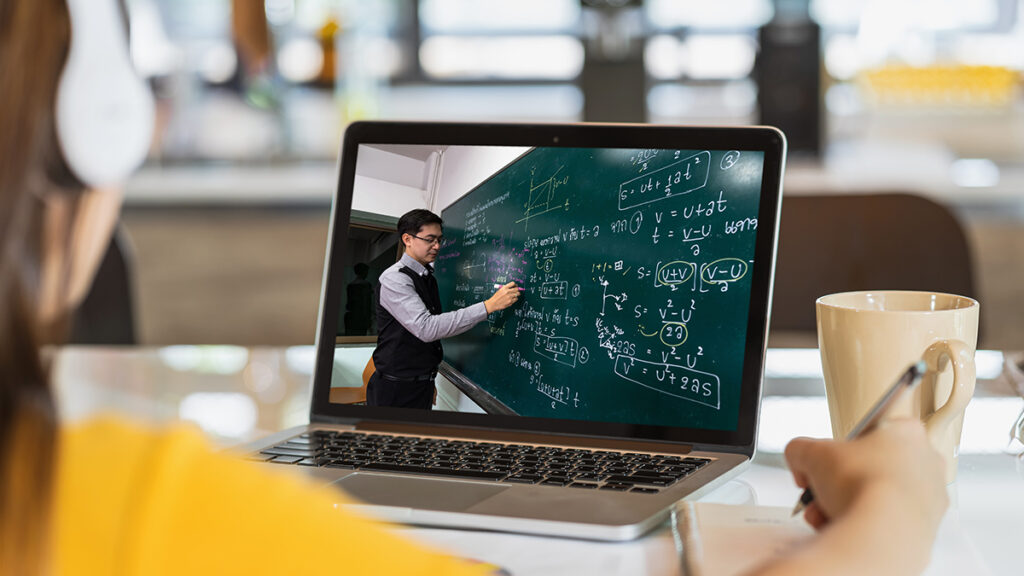
How to create a flipped classroom lesson plan


Introduction
Education is undergoing a profound transformation in the 21st century. The long-standing model of teaching—where instructors lecture during class and students complete assignments at home—is being reimagined by approaches that put students at the center of their learning. Among these approaches, the flipped classroom stands out as one of the most innovative and effective.
In a flipped classroom, the traditional order of learning is reversed. Students first engage with instructional content outside the classroom, using videos, readings, or interactive online tools, before coming to class. Classroom time then becomes a space for applying that knowledge through collaboration, discussions, projects, or problem-solving exercises.
For educators, the real challenge lies not in simply adopting this model but in designing lesson plans that maximize its potential. An effective flipped classroom lesson plan requires careful coordination of three phases: pre-class preparation, in-class activities, and post-class reinforcement. When implemented well, it transforms passive learners into active participants, deepens student engagement, and enhances knowledge retention.
This article explores how to create a flipped classroom lesson plan, focusing on the philosophy behind the model, the steps involved in its design, and strategies to ensure successful implementation.
Understanding the Flipped Classroom
What is a Flipped Classroom?
A flipped classroom is a teaching approach that relocates direct instruction outside of class and brings practice-based learning into the classroom. Instead of passively listening to lectures during class and struggling with assignments at home, students encounter new concepts independently—through videos, readings, or online modules—before they arrive. Classroom sessions are then used to apply, analyze, and master the material under the teacher’s guidance.
For instance, a history teacher might assign students a short recorded lecture or a reading on a particular event. During class, instead of repeating that information, students might analyze historical documents, debate interpretations, or participate in role-playing exercises, all supported by the teacher. This model encourages active learning, collaboration, and deeper comprehension of concepts.
Why Flipped Classrooms are Effective
The flipped classroom reflects the principles of active learning and constructivist theory. Students are no longer passive consumers of knowledge but active participants who build understanding through engagement. By reviewing materials beforehand, they enter class with questions and insights that fuel meaningful discussion and critical thinking.
Research consistently highlights the advantages of flipped classrooms, showing improvements in student engagement, collaboration, and academic achievement. The flexibility of this model also benefits diverse groups, from K–12 learners to adult students in higher education or professional training, as it accommodates different learning paces and preferences.
Foundations of a Flipped Classroom Lesson Plan
The Role of Pre-Class Preparation
The pre-class stage introduces students to new content for the first time. Unlike lengthy lectures, pre-class resources must be concise, engaging, and accessible. Teachers can select from formats such as short videos, podcasts, readings, or interactive online lessons depending on their learners’ needs.
Clarity is critical in this stage. Instructions should be explicit, learning goals should be clear, and the material should be manageable within the time available. For example, rather than assigning a full 60-minute lecture, a teacher might provide a focused 10-minute video explaining one key concept. This ensures that students arrive prepared without feeling overloaded.
Active Learning During Class
The in-class portion is the core of the flipped model. Here, students apply the knowledge they acquired during pre-class preparation. Activities may include group problem-solving, structured debates, peer teaching, or collaborative projects. The teacher shifts from the role of lecturer to facilitator, guiding discussions, answering questions, and providing targeted feedback.
To make this stage effective, teachers must anticipate areas where students may struggle and design activities that require critical thinking. For instance, in a science classroom, students might perform an experiment that tests the principles introduced in the pre-class video, strengthening their understanding through direct application.
Post-Class Reflection and Reinforcement
The learning process continues after class ends. The post-class phase focuses on reinforcing knowledge and encouraging reflection. Assignments, quizzes, or reflective journals can consolidate learning and give teachers valuable feedback on student progress.
This stage also allows for differentiation. Students who need additional support can revisit pre-class resources or work with supplemental materials, while advanced learners can explore enrichment activities to deepen their knowledge.
Steps to Create a Flipped Classroom Lesson Plan
1. Define Learning Objectives
Every effective lesson plan begins with clear, measurable learning objectives. These objectives guide the design of pre-class resources, in-class activities, and post-class tasks. For example, if the objective is to help students analyze a scientific principle, pre-class content should provide foundational knowledge, while classroom activities should focus on applying that principle to real-world scenarios.
Objectives should balance knowledge acquisition with skill development. Teachers should resist the temptation to overload students with too much pre-class material, instead focusing only on the essential concepts needed to make class time productive.
2. Develop Pre-Class Materials
Creating effective pre-class resources is both a creative and strategic process. Videos should ideally be 10–15 minutes long and designed to capture attention. Readings should be tailored to student levels, and interactive tools such as quizzes or guided worksheets can ensure accountability.
The goal is to equip students with the knowledge required for active participation in class, not to overwhelm them with unnecessary detail. Digital tools like screencasting software, educational apps, or open-access resources can simplify the process for teachers.
3. Design In-Class Activities
Once students arrive, the classroom becomes a laboratory for exploration and application. Activities should emphasize collaboration and problem-solving. Group projects, case studies, role-playing scenarios, or peer-led discussions are particularly effective.
For example, in a math class, students might work in small groups to tackle complex problems while the teacher circulates to provide guidance. In literature, students could analyze a passage in groups, then share their interpretations in a class-wide discussion. Such activities make classrooms dynamic spaces where knowledge is actively constructed.
4. Incorporate Technology Thoughtfully
Technology is central to flipped classrooms, but it must be integrated with intention. Learning Management Systems (LMS) can distribute pre-class content, track progress, and facilitate communication. Interactive tools like digital whiteboards, polling software, or discussion forums can further enhance in-class engagement.
However, technology should serve pedagogy, not overshadow it. The primary focus should remain on the learning outcomes, with digital tools acting as support mechanisms rather than replacements for effective teaching.
5. Plan for Assessment and Feedback
Assessment in flipped classrooms should be continuous and formative. Pre-class quizzes help check comprehension, in-class activities provide real-time opportunities to gauge understanding, and post-class reflections reinforce learning.
Timely, constructive feedback is essential. Whether provided through online platforms or face-to-face interactions, feedback helps students recognize their strengths and address their weaknesses, ensuring steady progress.
Best Practices for Successful Implementation
Ensuring Student Accountability
One challenge in flipped classrooms is ensuring students complete their pre-class assignments. Without preparation, in-class activities lose their effectiveness. Accountability measures such as quizzes, discussion prompts, or peer reviews can help.
Equally important is cultivating a culture of responsibility. Students must understand that pre-class preparation is not optional but an essential part of the learning process.
Supporting Diverse Learners
Flipped classrooms must accommodate a wide range of learning styles and abilities. Offering materials in multiple formats—such as videos with transcripts, visual aids, and interactive modules—ensures inclusivity. Teachers should also provide additional guidance for students who may struggle with self-directed learning.
By differentiating instruction and offering flexible learning pathways, flipped classrooms can advance equity and meet diverse educational needs.
Building Teacher-Student Relationships
Because the teacher’s role shifts from lecturer to facilitator, flipped classrooms foster more interaction between teachers and students. These interactions allow for personalized guidance, creating stronger bonds and more supportive learning environments.
Such relationships not only improve academic performance but also enhance motivation and student engagement, making the classroom experience more meaningful.
Challenges and How to Overcome Them
Despite its many advantages, the flipped model is not without challenges. Some students may resist the shift, preferring the comfort of traditional lectures. Others may lack access to devices or reliable internet, which can limit their ability to engage with pre-class resources.
Teachers must be proactive in addressing these challenges. Schools can support equity by providing devices, offering offline materials, or ensuring resources are accessible on multiple platforms. Gradual introduction of the flipped model can also help students adapt more comfortably.
For teachers, professional development is essential. Designing flipped lessons requires skills in digital content creation, technology integration, and facilitation. Ongoing training, collaboration, and sharing of best practices among educators are critical to building confidence and expertise.
The Future of Flipped Classrooms
As technology advances, the flipped classroom is poised to become even more powerful. Artificial intelligence may personalize pre-class materials, tailoring them to individual student needs. Virtual and augmented reality could create immersive in-class learning experiences, from exploring historical sites to simulating scientific experiments.
The flexibility of the flipped model also makes it an excellent fit for blended and hybrid learning environments, which are increasingly common in higher education and professional training.
For teachers, developing the ability to design effective flipped lesson plans will become a vital skill in the years ahead. By combining innovation with strong pedagogical principles, educators can prepare students not just for exams but for lifelong learning.
Conclusion
Designing a flipped classroom lesson plan requires thoughtful preparation, creativity, and a deep understanding of learner needs. By defining clear objectives, developing engaging pre-class resources, facilitating meaningful in-class activities, and reinforcing knowledge afterward, teachers can unlock the full potential of this approach.
The flipped classroom is not just a passing trend—it represents a shift toward interactive, student-centered education. For learners, it brings engagement, collaboration, and deeper understanding. For teachers, it offers the opportunity to transform classroom dynamics and create environments where knowledge is actively built rather than passively absorbed.
In a world shaped by rapid change and digital innovation, the flipped classroom provides a powerful blueprint for the future of education—one that fosters creativity, critical thinking, and lifelong growth.