How to Stay Fit Without a Gym Membership


Introduction: Rethinking Fitness Beyond the Gym
For years, the image of “getting fit” has been tied to gyms—rows of treadmills, heavy weights clanking, mirrors lining the walls, and group classes packed with energy. While gyms certainly offer plenty of resources, they are not the only pathway to building a strong, healthy body. In fact, many people find gyms expensive, inconvenient, or simply unappealing. For others, long commutes, busy schedules, or tight budgets make traditional memberships impractical.
The good news? Staying fit without a gym membership is not only possible but can be just as effective—sometimes even more so—when approached with the right mindset and strategies. Fitness is not about where you exercise but how consistently you move, challenge your body, and fuel it properly. Whether it’s running outside, using your body weight for resistance, or turning household items into creative tools, there are countless ways to achieve strength, endurance, and flexibility without ever swiping a gym card.
The myth that fitness requires a gym needs to be put to rest. Your muscles don’t care whether resistance comes from a dumbbell or your own body weight. What matters is movement, progression, and consistency. In this guide, we’ll explore the fundamentals of fitness and how you can create a sustainable, enjoyable routine outside of the gym that supports both body and mind.
Understanding the Fundamentals of Fitness
The Core Components of an Effective Routine
Before exploring specific activities, it’s important to understand what makes a fitness routine balanced. A well-rounded program typically includes four components:
- Cardiovascular exercise to strengthen the heart, lungs, and endurance.
- Strength training to build muscle, support bone density, and increase metabolism.
- Flexibility and mobility work to reduce injury risk and improve movement quality.
- Recovery to allow the body to repair, adapt, and grow stronger.
These components remain the same whether you’re inside a gym or at home. The only difference is the tools you use. A balanced approach prevents overemphasis on one area—for example, running daily may improve cardiovascular health but won’t build strength, while focusing only on weights without mobility training can lead to stiffness and reduced range of motion.
Mindset Over Location
When leaving the gym, the biggest shift is psychological. Fitness is not confined to four walls; it is a lifestyle. This requires self-discipline, creativity, and commitment. Without structured classes or trainers guiding your routine, you take on the role of your own motivator and program designer.
While this can feel daunting at first, it also offers incredible freedom. You’re no longer tied to gym hours, crowded spaces, or monthly fees. You can work out at sunrise in your backyard, squeeze in movement during a lunch break, or jog through your neighborhood at dusk. With the right mindset, the world becomes your training ground.
Using Bodyweight for Strength and Endurance
Why Bodyweight Exercises Work
Bodyweight training is one of the simplest yet most effective ways to build strength and endurance. Using your own mass as resistance challenges multiple muscle groups at once, improving both strength and stability. Exercises like push-ups, squats, lunges, planks, and pull-ups are classics for a reason—they deliver results.
The beauty of bodyweight workouts lies in scalability. Beginners can start with modified versions—knee push-ups, wall sits, or assisted squats—and progress to advanced variations like pistol squats, diamond push-ups, or handstand holds. Because these movements can be adapted endlessly, bodyweight training remains challenging no matter your fitness level.
Creating a Full-Body Workout Anywhere
You don’t need fancy machines for a complete workout. A well-structured bodyweight session in your living room, backyard, or local park can target the entire body. For example: squats and lunges for lower body strength, push-ups and dips for upper body power, planks and mountain climbers for core stability, and burpees or jump squats for a cardiovascular boost.
Adjusting repetitions, sets, and rest intervals allows you to emphasize strength, endurance, or fat-burning. By combining movements into circuits, you can create high-intensity workouts that challenge both muscles and lungs. Even everyday activities, such as climbing stairs or carrying groceries, can double as functional strength training that prepares you for real-life movement.
Cardio Without Machines
Outdoor Options for Heart Health
Cardiovascular fitness doesn’t require treadmills or ellipticals. The outdoors offers plenty of opportunities for heart-pumping activity. Jogging through your neighborhood, hiking local trails, biking, swimming, or even brisk walking are excellent ways to build endurance. The fresh air, changing scenery, and natural sunlight also add mental health benefits that indoor cardio machines can’t replicate.
To maximize results, incorporate interval training. Alternate between high-intensity bursts—such as sprinting or cycling hard for 30 seconds—and lower-intensity recovery, like walking or slow pedaling. This style of training, known as HIIT (high-intensity interval training), is efficient, burns calories quickly, and boosts cardiovascular health in less time.
Indoor Cardio Solutions
When outdoor exercise isn’t practical—due to weather, safety, or time constraints—you can still get an excellent cardio workout at home. Jump rope routines, shadowboxing, stair climbing, dance sessions, and HIIT circuits using exercises like jumping jacks, high knees, or mountain climbers can elevate your heart rate and build endurance.
Short, intense workouts can be just as effective as long sessions on machines. Ten to twenty minutes of focused movement can leave you sweating, energized, and satisfied—all without stepping outside your home.
Making the Most of Minimal Equipment
Resistance Bands and Dumbbells
While bodyweight exercises are powerful, adding small, inexpensive tools can expand your options. Resistance bands, for example, are lightweight, portable, and versatile. They can be used for upper and lower body training—bicep curls, rows, glute kickbacks, and more—adding progressive resistance to movements.
If you own a set of dumbbells or a single kettlebell, you can unlock even more possibilities: goblet squats, weighted lunges, shoulder presses, or deadlifts. The key to progress is gradual overload—challenging your muscles with increasing resistance over time.
Everyday Household Items as Fitness Tools
Fitness doesn’t always require specialized equipment. With a little creativity, household items can become training tools. A sturdy chair doubles as a platform for step-ups, incline push-ups, or dips. A backpack filled with books or water bottles becomes a weighted vest for squats or lunges. Towels can act as sliders for core exercises on smooth floors, and milk jugs filled with sand or water mimic dumbbells.
This resourcefulness not only saves money but also makes fitness accessible anywhere—even while traveling.
Flexibility and Mobility Work
Stretching for Longevity
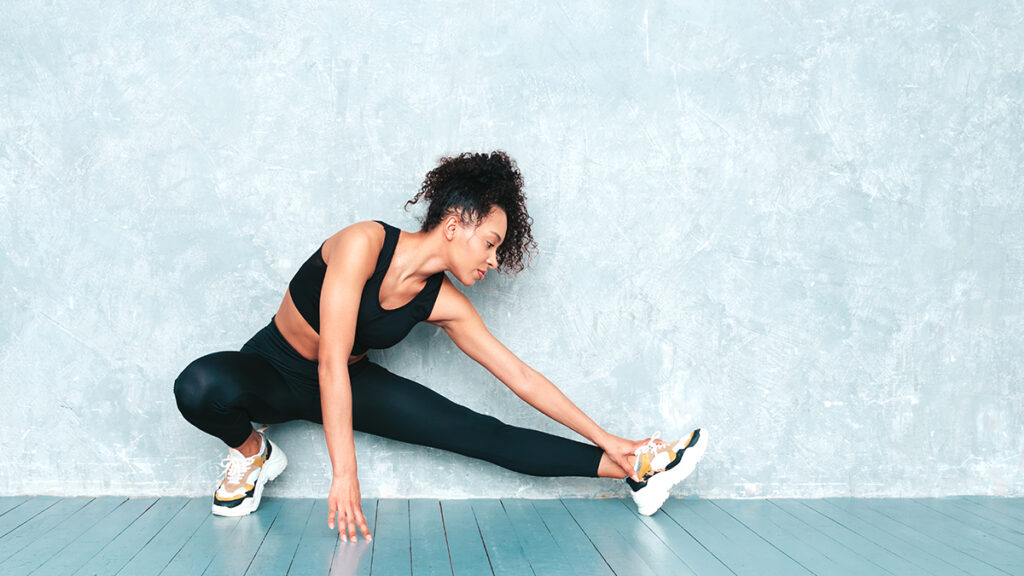
Strength and cardio often take center stage in fitness, but flexibility and mobility are equally crucial. Stretching improves range of motion, prevents stiffness, and reduces injury risk. A few minutes of stretching in the morning can energize the body, while evening stretches promote relaxation and recovery.
Dynamic stretches like arm circles or leg swings are best before workouts to prepare muscles, while static stretches—holding positions for 20–60 seconds—work best afterward to improve flexibility.
The Role of Yoga and Pilates
Yoga and Pilates provide structured, low-cost ways to build strength, flexibility, and body awareness without equipment. Yoga emphasizes balance, mindfulness, and breath control, offering stress relief alongside physical benefits. Pilates focuses on core strength, posture, and stability, complementing other forms of training.
Both practices can be followed through online videos, mobile apps, or virtual classes, making them accessible from home. They also suit all fitness levels, offering modifications for beginners and challenges for advanced practitioners.
Building Consistency Without a Gym
Creating a Routine You Can Stick To
Without the built-in accountability of gym classes or personal trainers, consistency becomes your responsibility. Start by scheduling workouts as non-negotiable appointments. Choose times that fit naturally—before work, during lunch, or in the evening—and stick to them as you would with any professional or social commitment.
Variety is key to avoiding monotony. Rotate between strength training, cardio, and flexibility sessions, and track your progress to celebrate small wins. Seeing improvement in the number of push-ups you can do or the speed of your run provides motivation to keep going.
Staying Motivated and Overcoming Obstacles
Motivation naturally ebbs and flows, but setting clear, achievable goals can keep you on track. Whether it’s running a faster mile, mastering a new yoga pose, or completing a certain number of push-ups, goals create purpose.
Accountability also helps. Partner with a friend, join an online fitness challenge, or share your progress on social media. Connection—even virtual—adds encouragement and makes the journey feel less solitary.
Nutrition and Lifestyle as Part of Fitness
Fueling Your Body Properly
Exercise is only one half of the equation—nutrition completes it. A balanced diet rich in lean proteins, whole grains, fruits, vegetables, and healthy fats provides the building blocks for energy, recovery, and growth.
Hydration is equally important. Even mild dehydration can impair performance and increase fatigue. Make it a habit to sip water throughout the day, especially before and after workouts.
Rest and Recovery
Fitness progress doesn’t happen during workouts—it happens during recovery. Muscles grow and adapt when given time to repair. Adequate rest days, active recovery sessions, and quality sleep are essential for long-term success.
Active recovery activities such as walking, gentle yoga, or stretching keep the body moving without straining it, supporting circulation and reducing soreness. Sleep, meanwhile, is when the body releases growth hormones and repairs tissue, making it non-negotiable for anyone serious about health.
Conclusion: Fitness Anywhere, Anytime
Staying fit without a gym membership is not only achievable but often more liberating and sustainable. By embracing bodyweight training, outdoor cardio, minimal equipment, and mindful practices like yoga, you can create a well-rounded fitness routine on your own terms.
The secret lies in consistency, creativity, and commitment. Fitness doesn’t require a monthly fee or fancy machines—it requires daily choices, intentional effort, and the belief that your body is capable of progress anywhere. Every park bench, staircase, backyard, or living room can be transformed into a training ground.
Ultimately, fitness without a gym empowers you to weave movement seamlessly into your lifestyle, proving that strength, endurance, and health are not tied to a place but to the habits you cultivate. With the right approach, you’ll not only save money and time but also discover the freedom of truly owning your fitness journey.