Top Budgeting Apps to Manage Your Money

Introduction: Taking Control of Your Finances in a Digital Age
Budgeting in 2025 has gone fully digital. Gone are the days of notebooks and spreadsheets—modern savers are turning to intuitive budgeting apps that provide real-time insights, spending alerts, and financial planning tools. With inflation remaining a top concern and the cost of living rising globally, these apps have become essential for building financial resilience. Whether you want to track daily expenses, prepare for big goals, or just understand where your money is going, there’s an app designed to meet your needs. This guide reviews some of the most trusted budgeting tools and helps you identify which features matter most for your financial life.
What Makes a Budgeting App Effective?
Strong Data Security and Account Syncing
A trustworthy budgeting app starts with robust security. The best tools use encryption protocols similar to banks, and they sync seamlessly with your accounts using trusted aggregators like Plaid or Yodlee. This ensures your transaction data stays private while giving you an accurate, real-time view of your finances.
Smart Categorization and Helpful Alerts
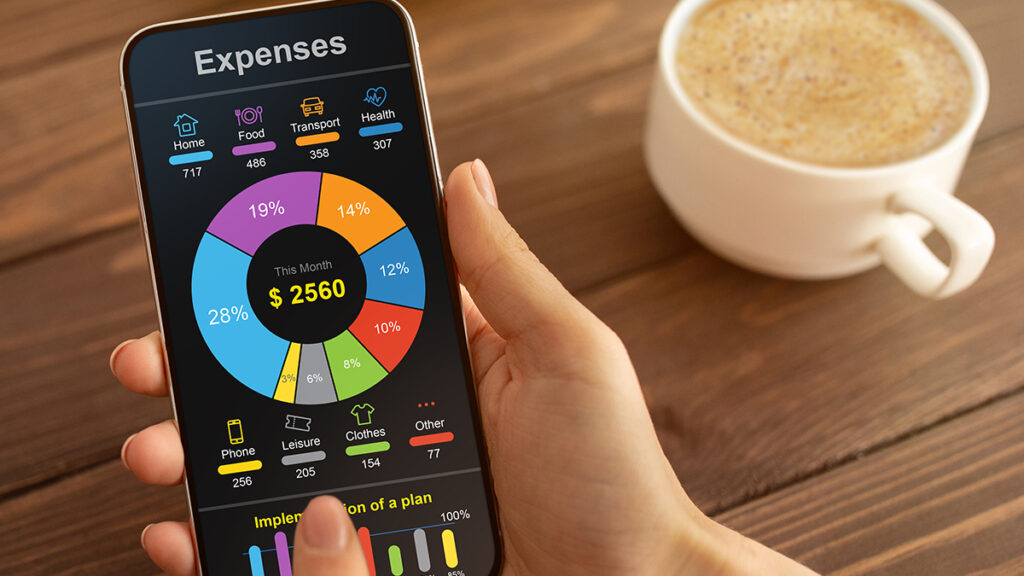
Effective apps don’t just show your balances—they help you understand your habits. With automated spending categorization, bill recognition, and push notifications when you overspend, the right app can bring awareness back to your money. These nudges help correct overspending patterns before they spiral out of control.
Customizable Budgeting Styles
Not all budgeting philosophies are the same. Some apps focus on zero-based budgeting where every dollar is assigned a job, while others lean toward broader spending “buckets.” The best app is the one that fits your preferences—whether you’re hands-on with your budget or prefer passive oversight.
A Closer Look at the Best Budgeting Apps of 2025
You Need a Budget (YNAB): Ideal for Zero-Based Budgeters
YNAB is one of the most praised budgeting apps for those who want full control. Its approach assigns every dollar a role—either for bills, savings, or upcoming expenses. With strong educational resources and a devoted user base, YNAB is known for helping people break the paycheck-to-paycheck cycle. It costs $14.99/month or $109 annually and offers a free trial. While it requires more effort to learn, users who engage with it often say it transformed their financial mindset.
Monarch Money: Best for Net Worth and Household Budgeting
For users who want a full view of their finances—budgeting, investments, and net worth—Monarch Money offers an elegant solution. It supports shared accounts, making it ideal for families or couples, and offers detailed tracking across assets and liabilities. The app is priced at $14.99/month or $99.99/year. It’s especially useful if you work with a financial advisor or want visibility into all aspects of your financial life.
PocketGuard: Great for Keeping Spending in Check
If you’re looking for a straightforward app that tells you exactly how much you can safely spend, PocketGuard may be for you. It connects to your accounts and shows how much is left after bills, goals, and necessities are covered. Its “in my pocket” feature helps reduce overspending. A basic version is free, while premium features cost $12.99/month or around $75/year.
Empower: Best for Budgeting Plus Investment Tracking
Formerly Personal Capital, Empower blends budgeting with portfolio analysis. In addition to categorizing spending and setting goals, it helps you track your investments and net worth over time. Its sleek, data-rich dashboard appeals to long-term planners. Empower is free and ideal for users who want budgeting and investing in one place.
Simplifi by Quicken: Perfect for Beginners
Simplifi is designed for users who want clean, easy-to-understand budgeting with forecasting features. It creates a simple plan based on your income and spending trends and shows what’s available for upcoming expenses. At $2.99/month (billed annually), it’s an affordable way to ease into structured money management.
Tiller: Made for Spreadsheet Fans
If you love spreadsheets but hate manual data entry, Tiller is for you. It pulls real-time transaction data into Google Sheets or Excel, letting you use custom templates for analysis and tracking. It costs $79/year and includes a 30-day free trial. It’s best for advanced users who want control without coding from scratch.
MoneyWiz and Banktivity: Best for Apple Device Users
MoneyWiz is a flexible app designed for macOS and iOS users who want syncing across devices, multilingual support, and multi-currency budgeting. It supports scheduled transactions and tracks investments. Banktivity, another Apple-focused option, blends envelope budgeting with deep investment and account tracking, ideal for users in the Apple ecosystem.
Goodbudget and Other Options
Goodbudget follows the envelope method—where you assign money to categories before you spend. It’s ideal for proactive planning. While the free version is limited, the paid version ($10/month or $80/year) adds features like device syncing and unlimited envelopes. Other notable apps include EveryDollar, Wallet by BudgetBakers, and Lunch Money—all popular for various budgeting styles.
How to Choose the Best Budget App for You
Aligning Features with Your Budgeting Style
Your budgeting goals should guide your choice. If you want hands-on control and don’t mind inputting data, YNAB or Tiller is a strong choice. For those who want simplicity, PocketGuard and Simplifi work well. If you’re looking for complete financial visibility, Monarch or Empower are top contenders.
Balancing Price and Value
Free apps like Empower deliver a lot of functionality, but paying a subscription can unlock more robust features. For example, YNAB’s price is justified for those who adopt its zero-based method seriously. Make sure the app’s features align with your willingness to pay and use it regularly.
Prioritizing Security and Data Ownership
Most apps connect to your financial institutions through third-party services like Plaid. Make sure the app uses strong encryption and two-factor authentication. If you prefer privacy and local control, open-source options or manual-entry apps may be better suited for you.
Making the Most of Your Budgeting App
- Set Clear Financial Goals
Whether it’s saving for a vacation, paying down credit card debt, or just avoiding overdrafts, start by defining what success looks like. That makes it easier to pick the right app and track your progress. - Build a Habit of Engagement
Set aside time weekly or monthly to review your budget. Apps like YNAB and Tiller thrive on regular use—adjusting budgets, reviewing expenses, and planning ahead. - Automate Where You Can
Enable syncing, bill tracking, and automatic savings transfers. This minimizes effort and builds consistency. Many apps now include reminders for due dates, goal updates, and subscription monitoring. - Reflect and Recalibrate
Budgeting is ongoing. Use your app’s reporting features to notice trends, identify problem areas, and adjust categories. This feedback loop is what makes budgeting sustainable over time.
Beyond Budgeting: Emotional and Behavioral Benefits
Building Financial Awareness
Budgeting apps create visual clarity around your habits—something traditional banking apps rarely do. Seeing your categories, goals, and trends can shift how you think about spending.
Reducing Financial Stress
Many users say budgeting gives them peace of mind. When you know where your money’s going, you stop fearing your balance and start making informed decisions.
Encouraging Teamwork with Partners
Apps like Monarch or Honeydue allow shared access, letting couples or family members coordinate goals and track spending together. This improves communication and builds accountability.
Watch Out for Common Pitfalls
Too Many Features, Not Enough Use
Don’t get distracted by bells and whistles you won’t use. A simpler app used consistently is better than an expensive one you abandon after a month.
Sync Errors and Categorization Flaws
Even top-tier apps occasionally mislabel transactions or disconnect from banks. Review entries periodically and fix errors to stay on track.
Budgeting Without Purpose
Budgeting should be a reflection of your life and values. Don’t just track numbers—ask yourself how your spending aligns with what matters to you.
Conclusion: Budgeting Apps Can Transform Your Money Habits
The right budgeting app can give you control, reduce anxiety, and help you achieve financial goals faster. Whether you prefer the hands-on detail of YNAB, the automation of Simplifi, or the investment visibility of Empower, what matters most is finding a tool that fits your lifestyle and using it regularly.
Ultimately, budgeting apps are not just about tracking expenses—they’re about building a healthier relationship with money. And in 2025, that kind of clarity is more valuable than ever.