How Creators Are Monetizing AI in 2025

Introduction: A New Creator Economy Driven by Artificial Intelligence
The creator economy has undergone a seismic transformation in recent years, driven by the convergence of artificial intelligence and digital content production. As of 2025, creators are not only using AI to enhance their workflow but also to build new revenue streams, scale their content distribution, and personalize audience experiences like never before. AI tools are no longer just productivity boosters; they are business partners, collaborators, and, in many cases, income generators.
Now that YouTube, Substack, Patreon, and TikTok have become saturated platforms, 2025 creators have turned towards AI for differentiation and diversification of revenue streams. Through AI-generated content, virtual personas, or audience interaction through data-driven insight, creators find new revenue generation avenues through machine learning, natural language processing, and generative AI models. The result is a fast-forward ecosystem in which computation meets creativity, with revenue flowing out of human labor augmented with smart automation.
AI as a Creative Partner in Content Production
Streamlining Content Creation
For creators balancing the demands of video editing, scripting podcasts, writing blogs, and managing social media, AI has become a game-changer. Tools like Descript, RunwayML, and Canva’s AI-powered features are automating tasks that used to take hours—things like transcription, background removal, voice cloning, and even full content scripting. This automation frees creators to focus more on developing ideas, engaging with their audience, and planning monetization strategies.
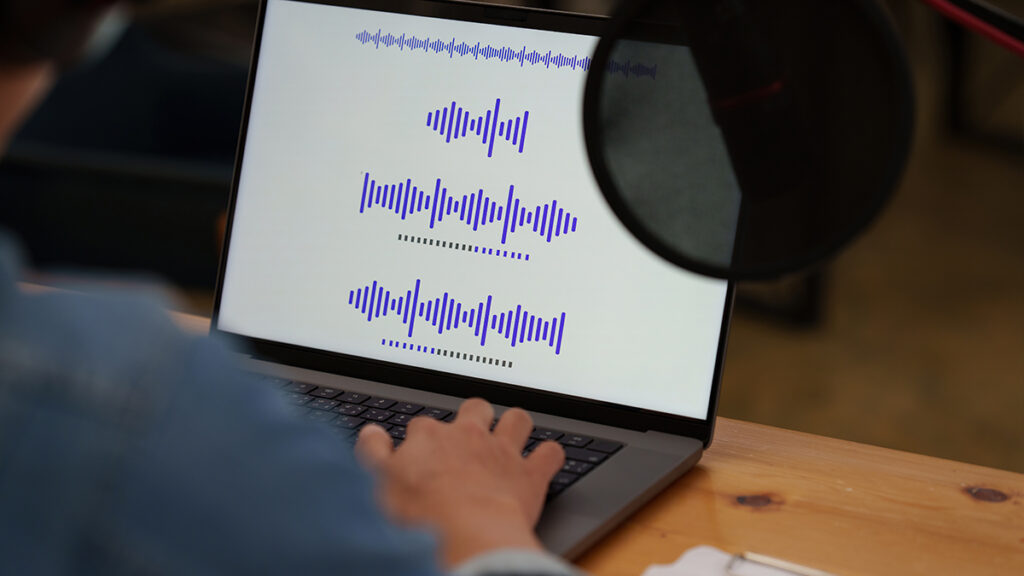
AI-generated visuals and audio have also dramatically raised production quality without requiring massive resources. Platforms like Midjourney and DALL·E are helping digital artists create eye-catching thumbnails, illustrations, and digital products in bulk. Meanwhile, voice synthesis tools like ElevenLabs and Murf.ai enable creators to produce natural-sounding voiceovers, which enhances accessibility and allows them to expand into different languages and markets.
The Rise of Co-Creation
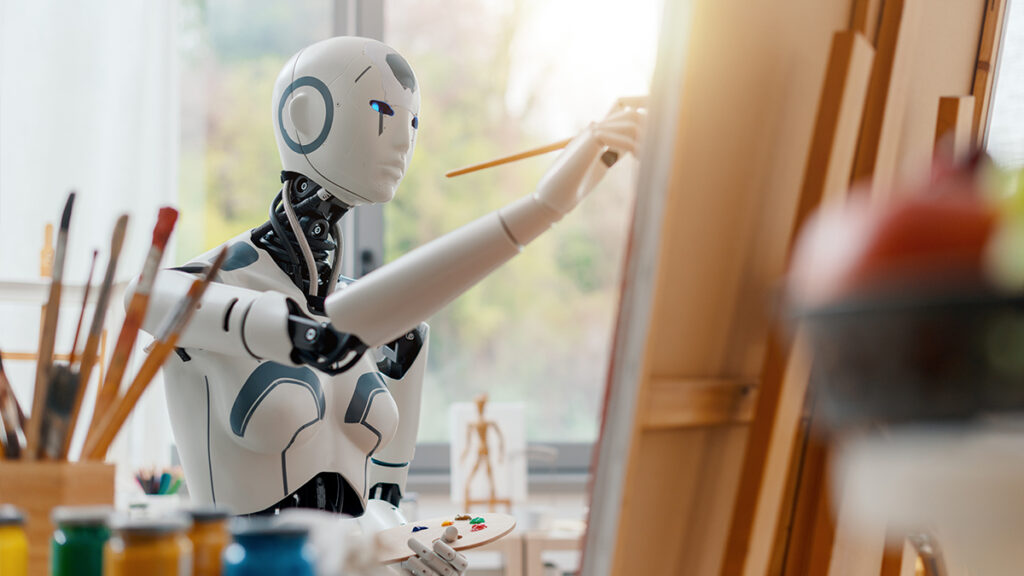
AI’s role in content creation has evolved from being a simple helper to becoming a full-fledged creative partner. Writers, filmmakers, and musicians are now collaborating with AI to develop ideas and execute projects. Writers use models like ChatGPT to brainstorm plot twists, co-write newsletters, or even develop entire novels. Musicians are leveraging AI to compose melodies, write lyrics, or remix older content in fresh ways.
By 2025, creative AI has become so advanced that it can learn and replicate a creator’s distinctive voice and style. Fine-tuned models trained on a creator’s past work can now generate new content that feels authentic and on-brand. This opens up new opportunities for creators to scale their content output without sacrificing quality or originality—turning AI from a time-saver into a revenue-generating collaborator.
Direct Monetization Through AI-Enhanced Platforms
Subscription Models with AI Personalization
The subscription economy has matured significantly, and AI has taken it to the next level. Creators on platforms like Substack, Patreon, and Circle are using AI to deliver personalized content that feels tailor-made for each subscriber. These intelligent systems analyze user behavior, preferences, and feedback to customize newsletters, recommend exclusive content, and even simulate personal conversations through chatbots modeled after the creator’s tone and voice.
This level of individual attention keeps subscribers engaged and encourages long-term loyalty. The more aligned the content is with a person’s interests, the more likely they are to continue subscribing. In this new creator economy, AI is not just producing content—it’s optimizing the timing, format, and delivery of that content to maximize revenue and connection.
Productizing AI Tools and Assets
Creators aren’t just using AI—they’re selling it. Many are building and monetizing their own AI-powered products, from GPT-based chatbots and voice assistants to niche tools like journaling prompts or wellness bots. These products can be sold via platforms like Gumroad, Lemon Squeezy, or directly through a creator’s personal site, effectively turning creators into software entrepreneurs.
In parallel, creators are offering resources such as prompt libraries, custom-trained GPT models, and digital workshops. These assets are especially appealing because they require little ongoing maintenance, can be sold repeatedly, and tap into the growing demand from professionals who want to leverage AI themselves. It’s a scalable way for creators to teach, empower, and profit—without constantly trading time for money.
Licensing, Royalties, and Digital IP in the AI Era
Licensing AI-Generated Works
As AI-generated content becomes more sophisticated and prevalent, a new revenue model has emerged: licensing. Creators are now monetizing AI-generated artwork, music, voiceovers, and even digital avatars by licensing them for commercial use. Brands, marketers, and media agencies are tapping into this content for everything from advertisements to branded experiences—and they’re paying creators for access.
Marketplaces like Creative Fabrica, Envato, and Adobe Stock have started accepting AI-generated work, provided it adheres to their guidelines. This gives creators an opportunity to earn passive income by turning digital outputs into licensable assets. The beauty of this model lies in its scalability—once created, AI-generated works can be sold and reused multiple times, at virtually no additional cost.
Owning and Monetizing AI Personas
One of the most groundbreaking developments in 2025 is the rise of AI-generated personas—virtual influencers designed to mimic real or fictional individuals. These digital entities live on social platforms, host livestreams, promote brands, and engage fans just like human influencers—but they never sleep, burn out, or take time off.
Creators are using AI to build clones of themselves or entirely new characters, then monetizing these personas through sponsorships, affiliate deals, merchandise sales, and even exclusive content subscriptions. Because these AI influencers can interact across time zones and remain active around the clock, they offer unmatched engagement potential. The result is a new, high-earning class of digital celebrities who are entirely powered by code.
Building Community and Engagement with AI
AI-Powered Community Moderation
Managing an engaged online community can be as demanding as content creation itself—but AI is taking the load off creators’ shoulders. In 2025, many creators are using AI-powered moderation tools to streamline community management across platforms like Discord, Reddit, Patreon, and private forums. These tools analyze user behavior, detect toxic language, enforce community guidelines, and even respond to frequently asked questions—all in real time.
This automated support system ensures that communities stay positive, productive, and safe without constant oversight. It allows creators to focus on meaningful interactions and content strategy, while the AI quietly handles the day-to-day maintenance. The result? A healthier space for followers and stronger audience loyalty, which translates directly into long-term monetization potential.
Real-Time Interactive Experiences
AI has also unlocked a new wave of interactive content. Creators are now integrating AI into live events—like Twitch streams, YouTube Lives, or virtual meetups—allowing for personalized and participatory experiences. Viewers can now shape storylines, vote on real-time decisions, or even “chat” with AI versions of the creator during livestreams.
Some creators deploy AI co-hosts that react to audience comments, provide live translations, or offer gameplay tips mid-stream. These AI-enhanced interactions not only increase audience engagement and watch time, but also drive monetization through super chats, tipping, or premium memberships. In a content-saturated world, interactivity powered by AI sets creators apart—and drives deeper fan investment.
Diversification and Scalability
Expanding Across Mediums
AI is making it easier than ever for creators to diversify their content without multiplying their workload. A single piece of content—like a YouTube video or podcast episode—can now be effortlessly transformed into multiple formats. AI tools transcribe the audio into blog posts, distill the highlights into newsletters, create quote graphics for Instagram, or even draft scripts for follow-up content.
This multi-channel approach significantly broadens a creator’s reach, allowing them to tap into different audience segments across platforms like LinkedIn, TikTok, Spotify, and Substack. Monetization opportunities expand in parallel—ad revenue, affiliate links, sponsorships, and platform-based creator funds become more accessible and diversified. With AI handling much of the repurposing and formatting, creators can scale their content ecosystems without burning out.
Scaling a Personal Brand with AI Assistants
One of the most exciting developments in 2025 is the rise of AI brand assistants—custom GPT models trained on a creator’s own voice, content, and style. These AI “clones” can answer fan questions, deliver coaching programs, guide users through learning paths, or provide access to exclusive insights and advice.
Creators are embedding these assistants into their websites, apps, and memberships as premium offerings. Imagine a cooking influencer offering a 24/7 AI kitchen coach, or a fitness creator providing a personalized chatbot that tailors workouts based on user goals. These assistants not only extend the creator’s reach but also open new subscription-based or pay-per-use revenue streams.
Challenges and Ethical Considerations
Transparency and Authenticity
As AI becomes more integrated into content creation, audiences are becoming increasingly aware—and wary—of synthetic media. In this environment, authenticity is everything. Creators in 2025 are learning that trust, once lost, is hard to win back. Disclosing where and how AI is used in content creation isn’t just good practice—it’s essential.
Whether it’s an AI-generated voiceover, a chatbot interaction, or a digitally rendered avatar, audiences expect transparency. Creators who clearly communicate their use of AI tend to foster deeper trust and build more resilient communities. On the other hand, those who misrepresent or conceal AI-generated content risk damaging their brand credibility and facing backlash.
Copyright and Ownership
The rise of generative AI has brought complex legal and ethical questions to the forefront. Who owns AI-generated content? What rights do creators have over models trained on their likeness, voice, or creative works? These questions are particularly urgent in a creator economy built on intellectual property.
In response, savvy creators are opting for AI tools and platforms that provide clear usage rights and respect copyright boundaries. They’re staying up to date with emerging legal frameworks, and in many cases, consulting legal professionals to navigate licensing, attribution, and ownership agreements. As the laws evolve, one thing remains clear: creators must take ownership of not just their content, but the ethical standards surrounding it.
Conclusion: The Future Is Hybrid
The monetization of AI by creators in 2025 represents more than just a shift in tools—it’s a redefinition of creativity itself. Rather than replacing human creators, AI is amplifying them. It’s giving writers, artists, educators, and entertainers the ability to work smarter, reach farther, and earn more—all while maintaining creative control.
The most successful creators in this new era are those embracing a hybrid model: blending human originality with machine efficiency. They’re leveraging AI to enhance storytelling, automate repetitive tasks, and scale personalized engagement—without sacrificing their voice or values. They view AI not as a shortcut, but as a collaborator that multiplies their impact.
As generative technologies continue to evolve, so will the ways creators connect with audiences and monetize their work. What will set the next generation of digital entrepreneurs apart is not just how creatively they use AI, but how ethically and transparently they do so. The future of the creator economy is here—and it’s powered by the synergy of human ingenuity and artificial intelligence.