Project‑based learning in virtual classrooms

Introduction
The rapid rise of virtual classrooms has reshaped the landscape of education. What was once considered supplementary or experimental has now become an essential component of global learning systems. With this shift, educators face the challenge of designing instructional strategies that ensure digital environments are not only effective but also engaging, meaningful, and student-centered.
One of the most promising approaches in this regard is project-based learning (PBL). Unlike traditional models that rely heavily on memorization and passive consumption of information, PBL invites learners to actively investigate questions, tackle real-world challenges, and produce tangible outcomes. It turns education into a journey of exploration, collaboration, and problem-solving.
In the context of virtual classrooms, project-based learning is especially powerful. It bridges the gap between theory and practice, transforming online learning from isolated assignments into interactive, collaborative, and impactful projects. This article explores how PBL can be effectively integrated into virtual learning, examining its principles, benefits, challenges, strategies for implementation, and its future potential.
Understanding Project-Based Learning
Defining Project-Based Learning
Project-based learning is an instructional model in which students gain knowledge and skills through sustained engagement with projects. These projects often address authentic, real-world issues and require learners to use inquiry, critical thinking, collaboration, and creativity. Instead of testing students on what they remember, PBL emphasizes what they can do with what they have learned.
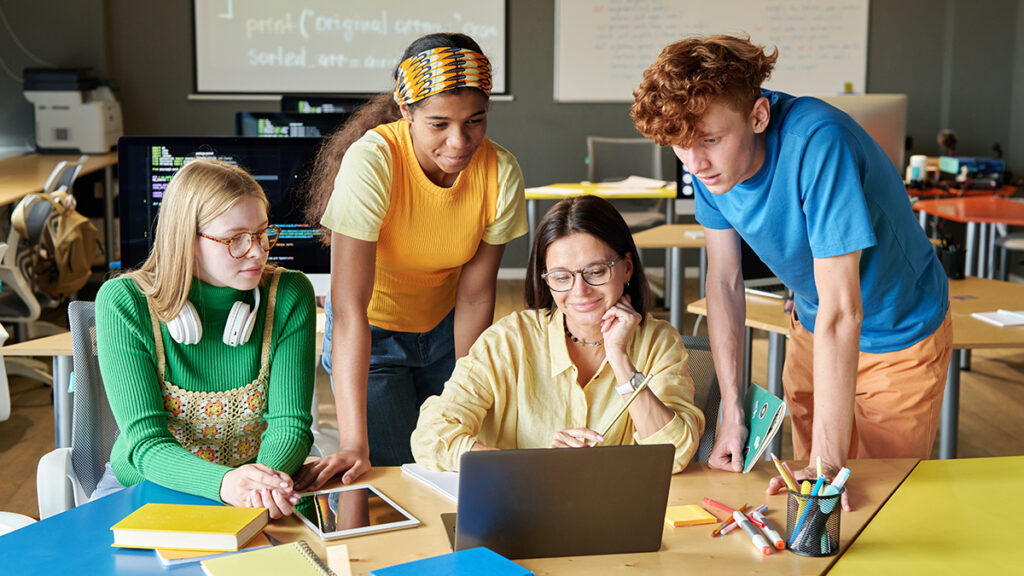
In a virtual classroom, this model adapts to digital environments using tools such as video conferencing, collaborative platforms, and multimedia resources. Students might co-author research papers on cloud platforms, develop interactive presentations, or build digital prototypes. The core philosophy remains unchanged: students learn best when they learn by doing.
The Core Philosophy of PBL
The foundation of PBL lies in constructivist learning theory, which emphasizes that learners actively construct knowledge by connecting new information to their prior experiences. Through authentic projects, students find personal meaning in what they study. They also develop a stronger sense of ownership, since their contributions directly shape the outcome of the project.
This approach shifts the role of the teacher from a knowledge provider to a facilitator and mentor, guiding students as they navigate challenges, ask questions, and reflect on their learning journey.
Adapting Project-Based Learning to Virtual Classrooms
The Role of Technology
Technology is the backbone of virtual PBL. Learning management systems (LMS) provide organization and structure, while video conferencing tools enable real-time collaboration. Applications like Google Workspace, Microsoft Teams, Trello, and Slack allow students to brainstorm ideas, track tasks, and manage project timelines.
Interactive technologies enhance this further. Digital whiteboards, simulation software, and multimedia creation tools enable students to visualize concepts, test solutions, and present findings in creative formats. Even in remote settings, these tools ensure that students can collaborate effectively and engage deeply with projects.
Structuring Virtual Projects
While PBL thrives on flexibility, it also requires careful planning and structure. Teachers must define project objectives, timelines, and deliverables while leaving room for student autonomy.
For example, in a science course, students might design solutions to reduce household plastic waste. They could research environmental data, brainstorm ideas, test models through simulations, and present their solutions using multimedia presentations. Such projects not only align with academic goals but also connect to pressing global issues, making learning meaningful.
Benefits of Project-Based Learning in Virtual Classrooms
Deepening Student Engagement
Engagement is often a challenge in virtual classrooms, where distractions abound and isolation can diminish motivation. PBL addresses this by placing students at the center of active learning experiences. When projects connect to real-life issues, learners see their relevance and become intrinsically motivated to contribute.
Rather than logging into classes simply to complete assignments, students invest themselves in the process, driven by curiosity and the impact of their work.
Enhancing Collaboration and Communication
Collaboration is at the heart of PBL. Virtual projects require students to communicate effectively across digital platforms, honing their teamwork and interpersonal skills. Whether brainstorming on shared documents or presenting in group video calls, students learn how to coordinate efforts, resolve conflicts, and respect diverse perspectives.
These experiences mirror professional contexts, where global teams frequently collaborate remotely. Thus, PBL not only enhances learning but also prepares students for the realities of modern workplaces.
Promoting Critical Thinking and Creativity
Projects challenge students to move beyond surface-level learning. They must analyze problems, evaluate evidence, and devise innovative solutions. In virtual environments, digital tools expand creative possibilities. Students might produce interactive websites, podcasts, or video documentaries as final deliverables, showcasing their creativity alongside critical reasoning.
By emphasizing both problem-solving and innovation, PBL nurtures skills that are crucial in today’s unpredictable and rapidly changing world.
Building Digital Literacy
Because virtual PBL is inseparable from technology, students naturally develop digital literacy skills. They learn how to navigate collaborative platforms, manage digital workflows, and use multimedia tools effectively. These competencies are vital in the digital economy, making PBL a dual investment in academic growth and workforce readiness.
Challenges of Project-Based Learning in Virtual Classrooms
Technology Access and Equity
Not all students enjoy equal access to reliable devices or stable internet. This digital divide can create inequities in participation and outcomes. Schools must address these barriers by offering loaner devices, providing offline alternatives, or ensuring that platforms work across different devices.
Balancing Structure with Flexibility
PBL thrives on student autonomy, but without clear guidance, virtual projects can become confusing or disorganized. Teachers must strike a balance between freedom and structure, offering milestones, rubrics, and check-ins to keep projects focused while still allowing creativity.
Assessment in Virtual PBL
Assessing PBL is complex, especially in digital contexts. Traditional tests fail to capture collaboration, creativity, and critical thinking. Instead, teachers need multi-dimensional rubrics that evaluate both the process and the final product. Incorporating peer feedback and self-reflection ensures that assessment reflects the full scope of student learning.
Teacher Preparedness
Not all educators are trained to facilitate project-based learning online. Shifting from being a lecturer to a facilitator of inquiry requires new skills in digital pedagogy, project management, and online communication. Professional development and institutional support are critical for teachers to succeed in this transition.
Strategies for Effective Implementation
Creating Authentic Projects
Authenticity is essential for successful PBL. Projects should connect with real-world issues or student interests, such as sustainability, community health, or cultural heritage. Authentic projects inspire students by showing them that their work has significance beyond grades or credits.
Encouraging Reflection
Reflection helps students process their experiences and recognize their growth. In virtual classrooms, reflection can be encouraged through digital journals, online forums, or video diaries. Structured reflection promotes self-awareness and helps learners identify areas for improvement.
Using Collaboration Tools Effectively
Digital tools must be carefully selected to enhance collaboration rather than overwhelm students. Platforms should be user-friendly, reliable, and accessible, allowing for real-time interaction, task management, and resource sharing. Teachers should also provide orientation to ensure students use these tools effectively and confidently.
The Future of Project-Based Learning in Virtual Classrooms
Looking ahead, PBL is set to become even more central to digital education. Emerging technologies will expand its possibilities:
- Artificial intelligence may customize projects to individual student interests and strengths.
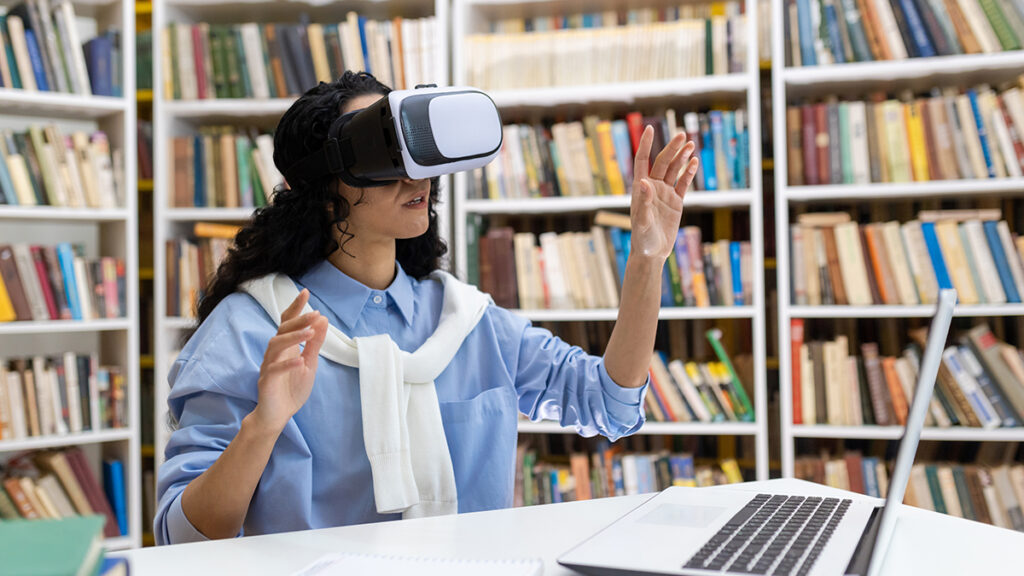
- Virtual reality (VR) and augmented reality (AR) could create immersive, simulated environments where students collaborate as though they were physically present.
- Hybrid learning models will combine in-person collaboration with virtual research and presentations, blending the strengths of both contexts.
Institutions also recognize that PBL prepares students for the workforce. Employers increasingly value qualities such as collaboration, creativity, adaptability, and problem-solving—skills that PBL naturally nurtures. By embedding PBL into virtual classrooms, schools can ensure that students graduate not only with academic knowledge but also with the competencies needed for career readiness and lifelong learning.
Conclusion
Project-based learning represents a powerful paradigm shift in education. Its integration into virtual classrooms shows how adaptable this model is in the digital age. By fostering collaboration, critical thinking, creativity, and digital literacy, PBL addresses many of the challenges associated with online education while unlocking its full potential.
Challenges such as inequitable access, assessment complexities, and teacher readiness remain, but these can be overcome with thoughtful planning and institutional support. The future of education lies in approaches that emphasize active participation, relevance, and student-centered learning—and PBL embodies all these principles.
In virtual classrooms, where the risk of isolation and disengagement is high, PBL provides a framework for building community, sparking curiosity, and cultivating essential 21st-century skills. It is not just a teaching method but a learning philosophy that ensures digital education remains meaningful, engaging, and transformative.