Peer‑to‑peer learning platforms for students

Introduction
For much of history, education has been understood as a top-down process: knowledge flowed from teachers, professors, or experts to students who received it passively. This model has certainly shaped learning across centuries, but it does not fully reflect the natural ways people share knowledge, solve problems, and build skills together. Over the past decade, a new approach has begun to challenge these traditional hierarchies—peer-to-peer learning.
Peer-to-peer learning emphasizes collaboration and communication, with students teaching, supporting, and learning from one another. Supported by the rise of digital platforms, this approach reimagines education as a community-driven process where everyone is both a learner and a teacher. These platforms are redefining how students access information, practice skills, and engage across disciplines and even continents.
By breaking down traditional barriers, peer-to-peer learning makes education more democratic, inclusive, and interactive. But what exactly are peer-to-peer learning platforms, how do they function, and why are they quickly becoming central to the future of education? This article explores these questions, analyzing their meaning, benefits, challenges, and transformative potential.
Understanding Peer-to-Peer Learning
What is Peer-to-Peer Learning?
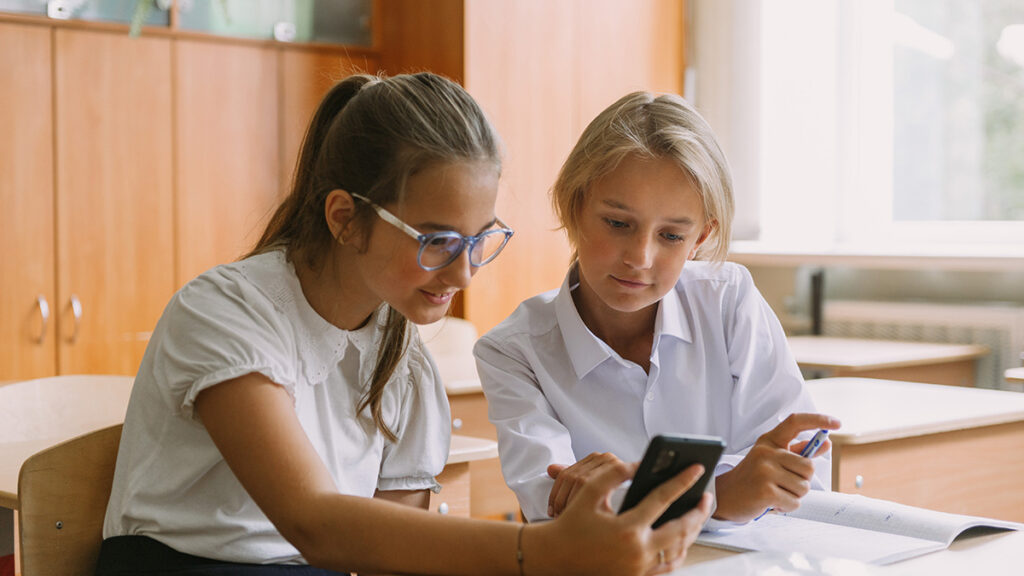
Peer-to-peer learning is an educational approach where students teach and learn from each other, often outside the traditional teacher-centered framework. Instead of simply absorbing knowledge, learners actively engage by explaining concepts, asking questions, and solving problems collaboratively.
This approach reflects an important truth: teaching others strengthens one’s own understanding. When students explain concepts, they process the information more deeply while also building communication skills and confidence.
With the support of digital platforms, peer-to-peer learning has expanded beyond local study groups. Students from different schools, universities, or countries can now connect in real time, creating structured environments where learning becomes both social and interactive.
The Rise of Peer-to-Peer Learning Platforms
The growth of technology and online collaboration tools has fueled the development of peer-to-peer platforms. What once happened in study groups or informal tutoring sessions can now scale globally through digital apps and websites.
From language exchanges to academic problem-solving forums, these platforms bring together diverse learners in ways that were once unimaginable. The rise of remote learning during global disruptions also underscored the importance of peer networks. As many students faced isolation, peer-to-peer platforms became critical for academic collaboration, motivation, and emotional support.
How Peer-to-Peer Learning Platforms Work
Digital Infrastructure and Design
At their foundation, peer-to-peer learning platforms provide the digital infrastructure for student collaboration. Common features include discussion forums, real-time chat, video conferencing, collaborative whiteboards, and file-sharing tools.
Many platforms also use matching algorithms to pair learners based on skills or subject needs. For example, a student struggling with calculus may be connected with someone confident in the subject and eager to strengthen teaching skills. This creates a system where knowledge flows both ways, benefiting both learners and mentors.
Role of Gamification and Incentives
To sustain motivation, many platforms integrate gamification. Features such as digital badges, leaderboards, or point systems reward participation and active engagement. While knowledge sharing is the primary goal, these incentives add fun, making learning feel like a collaborative game rather than a rigid task.
Gamification also encourages consistency. Students are more likely to return to the platform when their contributions are acknowledged and celebrated.
Balance Between Structure and Freedom
Effective peer-to-peer platforms strike a delicate balance between structured guidance and learner autonomy. Some platforms provide prompts, modules, or templates to guide discussions, while others allow students to set goals and steer learning themselves.
This flexibility makes peer-to-peer platforms adaptable across different contexts—whether in primary education, higher learning, or lifelong skill development.
Benefits of Peer-to-Peer Learning Platforms for Students
Deeper Understanding Through Teaching
One of the most powerful aspects of peer-to-peer learning is that teaching reinforces mastery. When students explain ideas to peers, they revisit and clarify their own understanding. This deep processing not only strengthens retention but also cultivates higher-order thinking skills.
Building Confidence and Communication Skills
Engaging with peers requires clarity, patience, and empathy. Over time, students improve their communication skills, learning to explain complex concepts simply, listen actively, and provide constructive feedback. These skills extend far beyond classrooms into careers and personal relationships.
Accessibility and Inclusion
Peer-to-peer platforms make education more equitable. Students who cannot afford private tutoring or access elite institutions can still benefit from collaborative support at little to no cost. By reducing reliance on expensive resources, these platforms help level the playing field for learners from diverse economic or cultural backgrounds.
Collaborative Problem-Solving
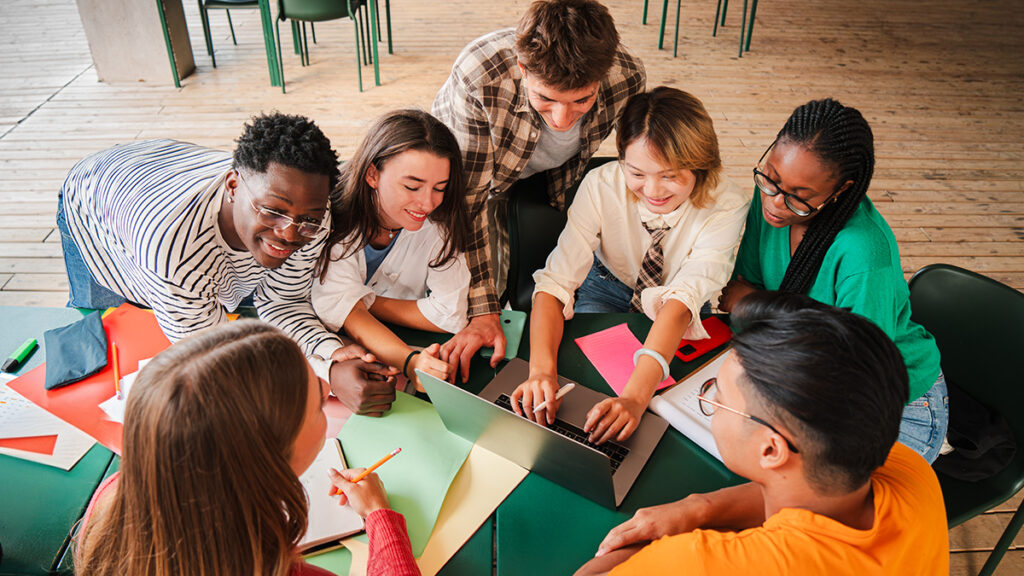
Working with peers promotes teamwork and creative problem-solving. By combining perspectives, students approach challenges from multiple angles and develop innovative solutions. This mirrors professional environments, where collaboration across diverse teams is essential.
Global Exposure and Networking
With online platforms, peer-to-peer learning is not restricted to local classmates. Students can interact with peers worldwide, gaining cross-cultural exposure and fresh perspectives. This not only enriches learning but also prepares students for careers in an interconnected, globalized world.
Applications of Peer-to-Peer Platforms Across Subjects
Language Learning
Language exchange platforms are among the most popular peer-to-peer models. By pairing native speakers with learners, these platforms create immersive, real-world practice. Students not only improve language fluency but also gain cultural insights and confidence in conversational skills.
STEM Education
Peer-to-peer platforms play a critical role in STEM learning. Whether solving coding challenges, tackling math problems, or exploring scientific concepts, students benefit from collaborative exploration. This support system makes difficult subjects more approachable and less intimidating.
Creative and Humanities Subjects
In creative fields like art, music, or writing, peer platforms enable students to share projects, provide feedback, and collaborate on ideas. In the humanities, peer discussions foster deeper interpretation of literature, history, or philosophy, encouraging critical thinking and debate.
Challenges of Peer-to-Peer Learning Platforms
Quality Control and Accuracy
A key challenge is ensuring accuracy of information. Unlike teacher-led instruction, peer learning relies heavily on student-generated content. Without moderation, there is a risk of misinformation spreading. Platforms must implement safeguards such as expert oversight, community voting, or AI-driven fact-checking.
Motivation and Participation
Not all students engage equally. Some may dominate discussions while others remain passive. Platforms must encourage equitable participation by designing systems that value both contributions and collaboration, ensuring all learners benefit.
Technology and Access Barriers
While these platforms aim to democratize education, they depend on access to devices and reliable internet. For students in underserved regions, this reliance on technology can inadvertently reinforce inequality rather than reduce it.
Privacy and Safety
Because students interact online, ensuring safety and privacy is critical. Platforms must implement strong security, moderation, and clear community guidelines to protect learners from harmful interactions or exploitation.
The Future of Peer-to-Peer Learning Platforms
The future of peer-to-peer learning will be shaped by technological innovation and evolving educational needs. Artificial intelligence may enhance matching algorithms, pairing students more precisely based on skills, interests, and learning goals. Virtual and augmented reality could create immersive environments where students collaborate as though they were in the same classroom.
Additionally, these platforms are expected to integrate more deeply into formal education systems. Schools and universities may adopt them as supplements to traditional teaching, blending structured instruction with student-driven collaboration. This hybrid model could represent the next stage in inclusive, personalized learning.
As lifelong learning becomes essential in fast-changing industries, peer-to-peer learning will also expand into professional development. Students who adopt collaborative learning habits early will carry them into careers, relying on peer networks for continuous growth and adaptation.
Conclusion
Peer-to-peer learning platforms represent a transformative shift in how education is understood and delivered. By empowering learners to teach, share, and collaborate, these platforms move beyond traditional, one-directional instruction and create dynamic, interactive communities.
The benefits are clear: deeper understanding, stronger communication skills, broader accessibility, global exposure, and improved collaboration. Challenges—such as ensuring accuracy, motivating engagement, and providing equitable access—remain, but they can be addressed through thoughtful design and responsible platform management.
Ultimately, peer-to-peer platforms are not just digital tools but ecosystems that redefine education as a shared journey. For students across the globe, they open new pathways to connection, collaboration, and growth, reshaping learning for the 21st century.