Budgeting Tips for Remote Workers Traveling Full Time

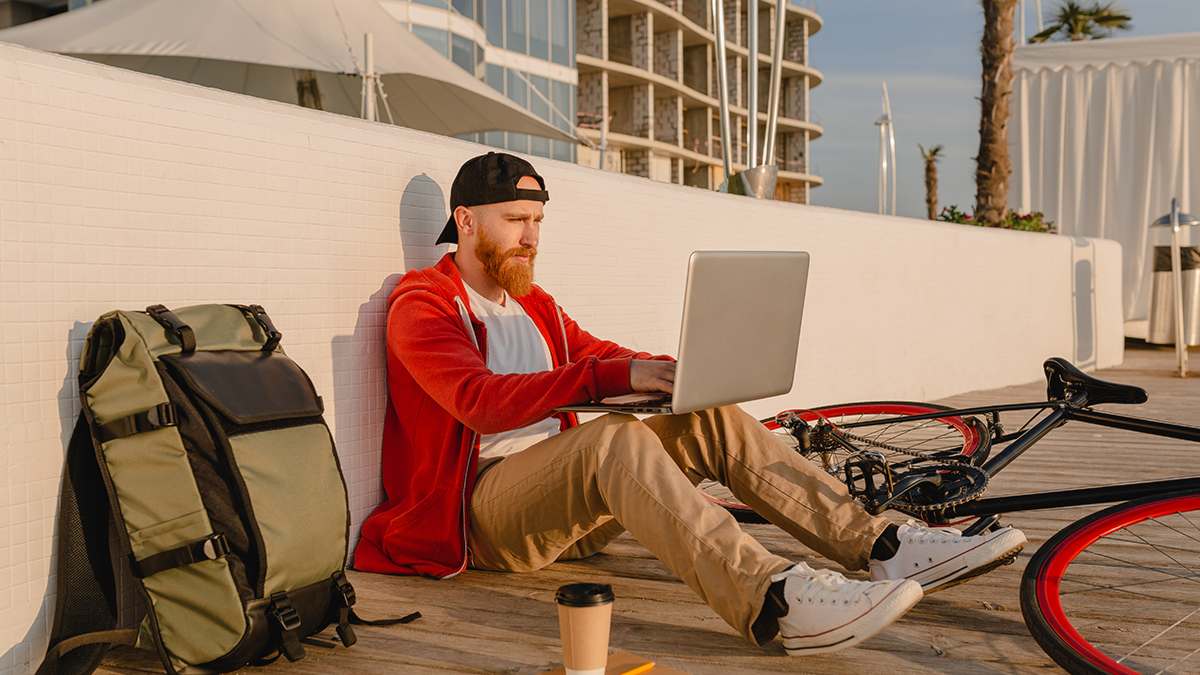
The explosion of remote work has revealed a new way of life — one that fuses professional stability with the freedom to explore the world. More people than ever before are embracing the digital nomad lifestyle, trading traditional offices for beaches, mountain towns, and global co-working spaces. But behind the picture-perfect scenes of working from Bali or sipping espresso in Lisbon lies a pressing challenge: managing money while constantly on the move.
For full-time travelers, budgeting isn’t simply about saving money — it’s about sustaining an entire lifestyle. Whether you’re freelancing, consulting, or employed remotely, smart financial planning ensures your adventures remain exciting rather than stressful. With fluctuating exchange rates and hidden travel costs, every decision affects your long-term financial stability.
This article takes a deep dive into practical and psychological budgeting strategies for remote professionals. You’ll learn how to craft a realistic travel budget, manage impulsive spending, use powerful financial tools designed for travelers, and build a sustainable lifestyle that lets you work from anywhere without worrying about your balance.
Understanding the Financial Reality of Full-Time Travel
The Myth of the Perpetual Vacation
Many people romanticize digital nomadism as a never-ending holiday. In truth, life on the road is far from carefree. It demands constant organization, managing fluctuating living costs, navigating different currencies, and maintaining work-life balance. Grasping these realities is essential before creating any kind of budget.
Expenses can vary drastically depending on your location, the time of year, and your personal choices. While Southeast Asia might be affordable, destinations like Japan or Western Europe can rapidly deplete your funds if you’re unprepared. Long-term travel budgeting means accounting for the unexpected — flight delays, medical issues, or even lost luggage. The goal isn’t to avoid spending but to make sure every dollar you spend works for you.
The Cost of Nomadic Living
Unlike a stable, stationary lifestyle, the life of a nomad comes with variable costs: fluctuating accommodation prices, visa renewals, international insurance, and connectivity expenses. Even small, recurring costs — like foreign transaction fees or short-distance travel — can add up significantly over time. Anticipating these costs early allows you to build a flexible, resilient budget that adapts rather than collapses under pressure.
Building a Sustainable Travel Budget
Start with a Baseline Monthly Budget
Before taking off, calculate your minimum monthly cost of living — including essentials like accommodation, food, insurance, transportation, and digital needs such as mobile data. Having this baseline gives you a reference point for managing future spending.
If your income fluctuates, base your budget on your lowest-earning month. This conservative approach ensures you remain financially stable, even during leaner periods. Once you’ve set a baseline, it’s easier to scale your spending up or down depending on your location’s cost of living.
Categorize Expenses into Fixed and Flexible
A successful budget distinguishes between fixed and flexible costs. Fixed costs — such as insurance, software subscriptions, and essential travel tools — offer predictability. Flexible expenses, like dining out or entertainment, can be adjusted based on income flow. Tracking both helps you stay in control while identifying wasteful recurring payments you may have forgotten about — a common issue for long-term travelers.
Factor in Safety Nets and Emergency Funds
True financial freedom comes with responsibility. One key rule for full-time travelers is maintaining an emergency fund that can cover at least three months of living expenses. Lost luggage, sudden illness, or canceled gigs can happen anytime. Having an emergency cushion means you won’t need to rely on high-interest credit cards or loans when life takes an unexpected turn.
Adapting to Local Economies and Currencies
Choosing Cost-Effective Destinations
A powerful way to stretch your budget is through geoarbitrage — earning in a strong currency while living in a more affordable region. Popular digital nomad destinations like Thailand, Vietnam, Mexico, and Portugal allow you to enjoy a high standard of living at a fraction of Western costs.
When picking destinations, consider not only housing and food but also visa fees, healthcare access, and tax implications. Some countries now offer digital nomad visas with favorable tax terms that can boost your savings even further.
Navigating Currency Fluctuations
Frequent travel means constant exposure to shifting exchange rates. Even small changes can affect your budget. To minimize losses, use multi-currency accounts like Wise or Revolut, which offer real-time conversion rates and minimal fees. Managing multiple currencies in one place prevents costly conversions and keeps your finances organized.
It’s also best to track all spending in a single base currency — usually your earning currency — to maintain clarity. Tools like Trail Wallet or Nomad Budgeting make this simple.
Managing Income Streams and Taxes
Diversifying Your Income
Consistent income is the foundation of long-term travel. Depending on a single client or employer can be risky, especially with delayed payments or canceled contracts. Diversifying your income — through freelancing, consulting, affiliate marketing, or digital products — creates financial resilience.
Platforms such as Upwork, Fiverr, and LinkedIn offer easy access to freelance work, while entrepreneurs can earn passive income via online courses or content creation. Diversification stabilizes cash flow and provides the flexibility to reinvest profits into future adventures.
Handling Taxes as a Digital Nomad
Taxes can be one of the most confusing aspects of full-time travel. Depending on your country of citizenship and where you reside, you may owe taxes to one or more governments. Ignoring these obligations can result in hefty penalties later.
To stay compliant, research tax treaties and residency rules between countries. Some nations offer attractive tax programs — like Portugal’s Non-Habitual Resident (NHR) regime or Dubai’s zero-income-tax policy. Partnering with international tax experts such as Deel or Nomad Tax can ensure compliance while helping you maximize deductions for business-related travel expenses.
Tools and Apps to Simplify Financial Management
Budget Tracking and Expense Management
Technology makes managing your money on the road easier than ever. Budgeting apps like Mint, YNAB (You Need A Budget), and Spendee categorize expenses, sync across currencies, and visualize spending trends — making it easier to spot and adjust bad habits.
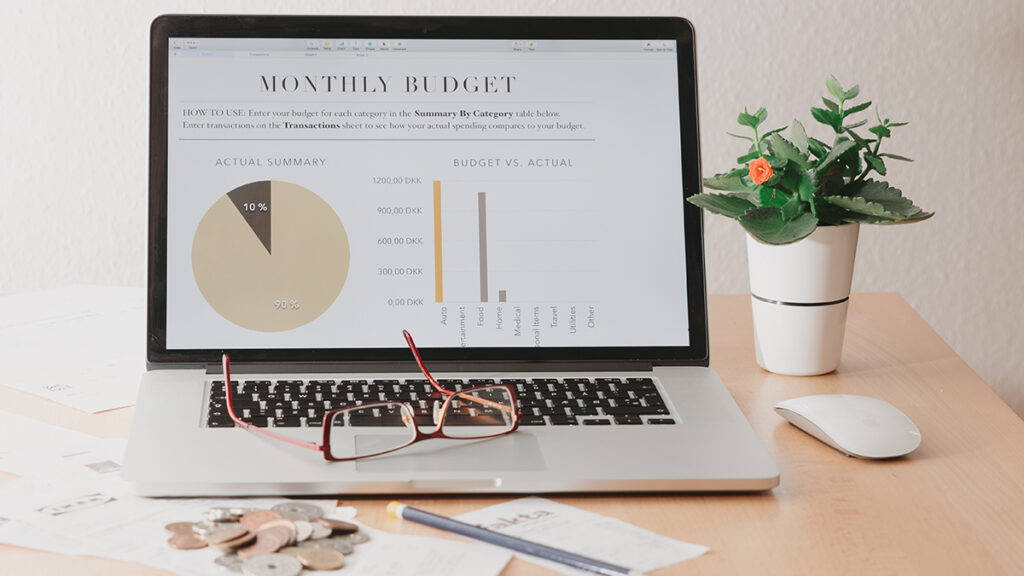
For more flexibility, tools like Notion or Google Sheets can act as personal dashboards to track income, savings, and goals. A visual overview of your cash flow keeps you accountable, even during chaotic travel schedules.
Banking and Money Transfers
Traditional banks often charge excessive international fees. Digital banks and fintech platforms like Wise, Revolut, and N26 allow multi-currency accounts, low-cost transfers, and seamless global access.
Pair these with travel-friendly credit cards offering no foreign transaction fees and cashback rewards, and you’ll save hundreds annually — funds that can easily go toward your next adventure.
Saving Smarter While Traveling
Accommodation Strategies for Every Budget
Lodging is often the biggest expense for digital nomads. While hotels are convenient, long-term travelers save more with short-term rentals, co-living spaces, or house-sitting gigs. Platforms like Airbnb, NomadX, and TrustedHousesitters offer affordable options that also foster community.
Co-living hubs in hotspots like Canggu, Medellín, or Lisbon provide reliable Wi-Fi, shared workspaces, and networking opportunities — helping nomads balance affordability with connection.
Food, Transport, and Daily Living
Cooking simple meals and shopping at local markets can drastically cut expenses while deepening cultural immersion. Choosing budget-friendly local transport, like public buses or scooters, maintains mobility without overspending.
For flights, comparison tools like Skyscanner, Hopper, and Google Flights help secure the best deals, especially when your dates are flexible. Small, consistent savings on food and transport can make a major difference over time.
Mindset and Lifestyle Habits for Financial Stability
Developing a Minimalist Mindset
Life on the road naturally encourages minimalism, but financial minimalism means going further — valuing experiences over possessions and resisting unnecessary purchases. Every item you carry across borders has an opportunity cost: money that could have gone toward your next great experience or into your savings.
Minimalism fosters clarity and discipline, keeping you focused on what truly matters instead of fleeting indulgences.
Balancing Work, Travel, and Leisure
Financial health and emotional well-being are deeply intertwined. Overworking to fund travel can lead to burnout, while overspending can create stress. The key is balance — scheduling structured work hours, rest periods, and consistent routines. Sustainable productivity allows you to enjoy your adventures without compromising your livelihood.
Investing and Saving for the Future
Long-Term Financial Planning
Freedom today shouldn’t mean neglecting tomorrow. Remote work can align with long-term goals like retirement savings, investments, and insurance. Opening an international brokerage account enables you to invest in global ETFs or index funds, ensuring your wealth grows while you travel.
Even small, regular contributions to savings or investments compound over time. Automating deposits removes friction and ensures consistency.
Insurance and Financial Protection
Comprehensive insurance is a non-negotiable part of nomadic budgeting. Emergencies, theft, or trip cancellations can derail both finances and productivity. Nomad-friendly providers like SafetyWing, World Nomads, and Insured Nomads offer tailored global coverage for remote workers — an upfront cost that can save thousands in crises.
Sustaining the Nomadic Lifestyle for the Long Haul
Sustainable travel demands adaptability, awareness, and continuous learning. As the remote work landscape evolves, so do financial opportunities. Experiment with destinations, refine your spending habits, and find a rhythm that supports both freedom and financial health.
The most successful nomads aren’t the ones who spend the least — but those who spend with intention. Every purchase becomes a conscious choice, and every journey an investment in growth.
Conclusion: Financial Freedom Through Conscious Budgeting
The ability to work and travel full-time is one of the great privileges of the digital era. But genuine freedom doesn’t come from earning endlessly — it comes from spending wisely. With thoughtful budgeting, remote workers can create a life that balances adventure with security, and freedom with foresight.
Budgeting isn’t about restriction — it’s about designing a lifestyle where your money fuels your dreams instead of limiting them. By mastering conscious financial management, you can ensure your global journey remains sustainable, rewarding, and deeply fulfilling — built on freedom, purpose, and financial wisdom.