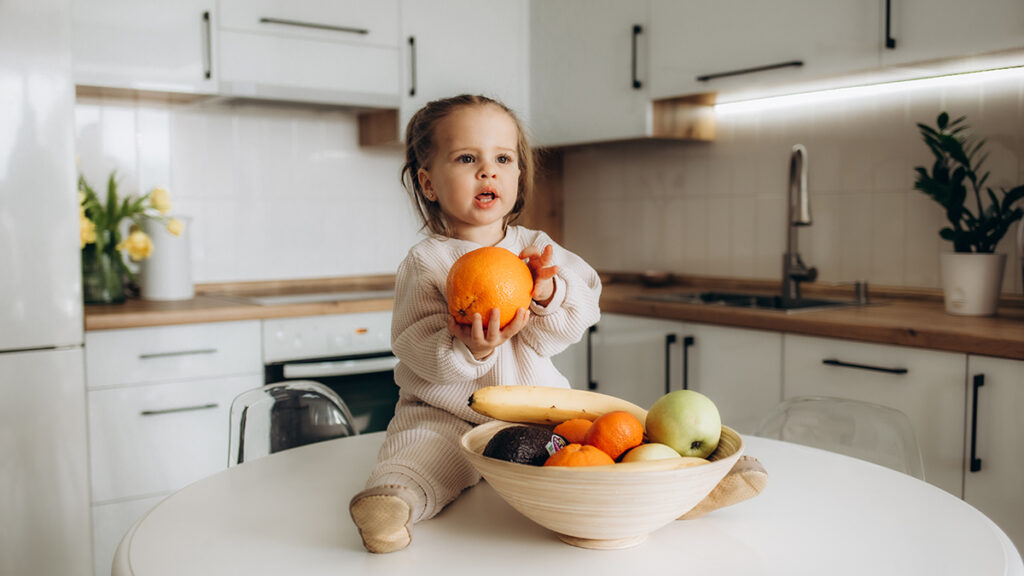
How to Handle Picky Eaters


Introduction
Few parenting challenges test patience quite like dealing with a picky eater. Most families know the struggle: a toddler who won’t touch anything green, a preschooler who insists on plain pasta every night, or an older child who wrinkles their nose at new dishes before even tasting them. What should be a time of connection—sitting down to share a meal—can quickly turn into a battle of wills, leaving parents frustrated and children anxious.
The truth is that picky eating is common, especially in early childhood. But it doesn’t have to take over family life. Learning how to support selective eaters is not just about convincing kids to eat their vegetables—it’s about fostering a healthy relationship with food that will last a lifetime. Children who are pressured, bribed, or shamed into eating may carry negative associations with food well into adulthood. But when parents respond with patience, consistency, and creativity, kids gradually become more open to new flavors, textures, and experiences.
This article explores why picky eating happens, the impact it can have, and practical, compassionate strategies to help children approach food with curiosity, confidence, and even joy.
Understanding Picky Eating
Why Children Become Picky Eaters
Picky eating often emerges as part of normal development, particularly between the toddler and preschool years. At this stage, children are learning independence, and saying “no” to food is an easy way to exert control. For some, it’s also about sensitivity—taste buds are sharper in childhood, and certain textures, smells, or flavors can feel overwhelming. Others may simply prefer routine, sticking to foods they know and trust.
Parental reactions can unintentionally reinforce picky eating. Urging a child to “just take one more bite” or promising dessert in exchange for finishing vegetables may seem harmless, but it can increase resistance. Children may start to see nutritious foods as chores to endure instead of pleasures to enjoy. By understanding the roots of picky eating, parents can approach the challenge with empathy rather than frustration.
When Picky Eating Becomes a Concern
For most children, selective eating is a temporary phase. But in some cases, it may raise red flags. If a child’s diet is so limited that it impacts growth, energy, or overall health, or if eating causes intense anxiety, professional support may be needed. A pediatrician or nutritionist can help assess whether picky eating is within the normal range or part of a larger issue.
In most families, however, picky eating is a season of childhood that can be managed with patience, gentle encouragement, and positive mealtime experiences.
The Role of the Mealtime Environment
Creating a Calm and Positive Atmosphere
The environment at the table is just as important as what’s on the plate. When meals become battlegrounds filled with tension, bargaining, or scolding, children may learn to associate eating with stress. But when the table is a relaxed space filled with conversation, laughter, and patience, kids feel safe enough to explore new foods at their own pace.
Parents play a powerful role in setting this tone. When adults model enjoyment of a wide variety of foods—cheerfully eating vegetables, savoring different flavors, and speaking positively about meals—children see food as something pleasurable, not something to resist.
Limiting Distractions
Screens have become common companions at the dinner table, but they can work against mindful eating. When kids eat while distracted by television, tablets, or phones, they pay less attention to their hunger cues and engage less with the food itself. Creating a screen-free mealtime environment helps children focus on eating, family connection, and trying new flavors without distraction.
Building Healthy Food Habits
Offering Variety Without Pressure
Exposure is key when it comes to picky eating. Research shows that children often need to see or taste a food many times before accepting it. Offering a wide variety of foods regularly—without pressuring them to eat—allows kids to explore at their own pace.
A simple strategy is to serve small portions of new foods alongside familiar favorites. For example, a few green beans next to their beloved pasta. The familiarity provides comfort, while the exposure encourages curiosity. Even if they don’t taste it the first time, repeated exposure gradually lowers resistance.
Encouraging Family Meals
Eating together as a family is one of the most powerful tools for improving food habits. When children watch siblings and parents enjoying diverse foods, they naturally become more willing to try them. Family meals also provide structure, communication, and connection, reinforcing that mealtime is about more than just food—it’s about togetherness.
Fostering Independence
Kids are more open to new foods when they feel a sense of ownership. Involving children in meal planning, grocery shopping, or cooking sparks curiosity. A child who helped stir the soup or picked out the carrots at the store is more likely to want to taste the final product. Small choices, like letting them decide between two vegetables, give them a sense of control while keeping nutrition on track.
The Psychology of Picky Eating
The Role of Autonomy
Picky eating is often less about the food itself and more about autonomy. Young children are learning to assert themselves, and food refusal can be a simple way to exercise independence. Parents can reduce tension by shifting from confrontation to collaboration. Instead of “You have to eat your broccoli,” try, “Would you like broccoli or carrots tonight?” Choices within limits provide control while still ensuring balanced nutrition.
Avoiding Food Battles
Forcing kids to eat often backfires, escalating into power struggles that make picky eating worse. Pressure can turn mealtimes into a negative experience that lingers well beyond childhood. A low-pressure approach works best: offer the food, encourage gently, but accept their decision. Over time, with consistency and exposure, children usually broaden their tastes without conflict.
Age-Appropriate Approaches to Picky Eating
Toddlers and Preschoolers
Picky eating tends to peak in the toddler years, when appetites fluctuate and independence grows. At this stage, consistency is crucial. Offer small portions, keep mealtimes predictable, and celebrate tiny victories, such as trying one bite of a new food. Avoid turning meals into tests of endurance—forcing a child to finish their plate rarely leads to positive outcomes.
School-Aged Children
As kids grow older, peers and school settings begin to influence food preferences. Packing balanced lunches, encouraging them to try new foods with friends, and teaching about how food fuels their bodies can help. School-aged children are also ready to take more responsibility, like helping prepare meals or learning basic nutrition concepts.
Teenagers
By adolescence, food choices often reflect independence, peer culture, and personal identity. Teens may experiment with diets, avoid certain foods, or gravitate toward convenience. Parents can support them by respecting autonomy while still modeling balanced eating at home. Inviting teens to cook family meals or explore new cuisines together can empower them to make healthier choices without feeling controlled.
Encouraging Positive Associations With Food
Making Food Fun
Presentation can make all the difference. Colorful plates, playful arrangements, or foods presented in fun shapes can pique children’s interest. Turning vegetables into dips, blending fruits into smoothies, or using cookie cutters for sandwiches transforms meals into something exciting rather than intimidating.
Using Food to Connect
Food is more than fuel—it’s a cultural and emotional experience. Sharing family recipes, preparing traditional dishes, or exploring global cuisines together creates positive memories. When food is tied to joy, connection, and adventure, children learn to approach meals with curiosity instead of suspicion.
Avoiding Bribes and Rewards
It may be tempting to promise dessert in exchange for finishing vegetables, but this strategy can backfire. It sends the message that healthy foods are undesirable tasks to endure before reaching the “good stuff.” Instead, aim to create balance, where all foods—nutritious and indulgent—have their place without being used as bargaining chips.
Recognizing Progress and Practicing Patience
Celebrating Small Victories
For picky eaters, progress is often slow, but even tiny steps deserve recognition. A child who once refused broccoli but now allows it on their plate has made progress. Parents who notice and gently celebrate these milestones help reinforce positive behavior and build confidence.
Practicing Patience
Perhaps the most important ingredient in handling picky eaters is patience. Expanding a child’s palate is a gradual process, often taking months or even years. Remaining calm, consistent, and positive prevents mealtimes from becoming sources of stress. Trust that with time and encouragement, children will become more open to variety.
The Long-Term Benefits of Managing Picky Eating
When handled with empathy and consistency, picky eating becomes less of a daily battle and more of a teaching opportunity. Children who are supported rather than pressured develop healthier, more balanced relationships with food. They learn to listen to their bodies, approach new foods with curiosity, and see mealtimes as moments of connection rather than conflict.
These lessons extend beyond nutrition. Patience, resilience, and openness to new experiences are life skills children carry into other areas of growth. By shifting the focus from control to encouragement, parents not only raise adventurous eaters but also nurture adaptable, confident individuals.
Conclusion
Picky eating is one of the most common parenting challenges, but it doesn’t have to define family life. With patience, consistency, and creativity, parents can transform mealtimes from battles into opportunities for bonding and growth.
The goal isn’t to “fix” picky eating overnight, but to create an environment where food is connected with joy, curiosity, and connection. By offering variety without pressure, involving children in meal preparation, fostering independence, and keeping mealtimes calm, parents can guide children toward healthier eating habits over time.
Ultimately, helping kids develop a positive relationship with food lays the foundation for lifelong health and well-being. And perhaps just as importantly, it allows families to reclaim mealtimes as what they should be: moments of love, laughter, and shared experience.