How to Find Balance in Social Media Use

Introduction
Social media has become one of the defining forces of modern life. It connects people across continents, amplifies voices, fuels movements, and offers instant access to information, entertainment, and opportunity. Platforms like Instagram, TikTok, Facebook, LinkedIn, and Twitter (X) are no longer seen as optional add-ons—they are deeply woven into how people communicate, work, and express themselves.
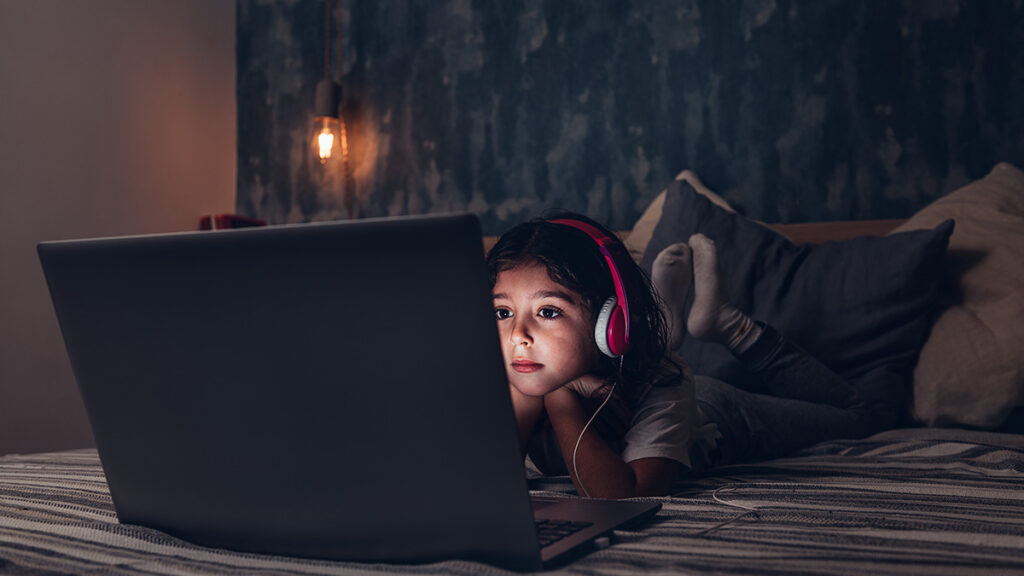
Yet, while these platforms bring undeniable benefits, they also present growing challenges. Overuse, endless scrolling, and comparison culture have raised serious concerns about mental health, productivity, and overall well-being. Many find themselves both empowered and exhausted by their digital lives.
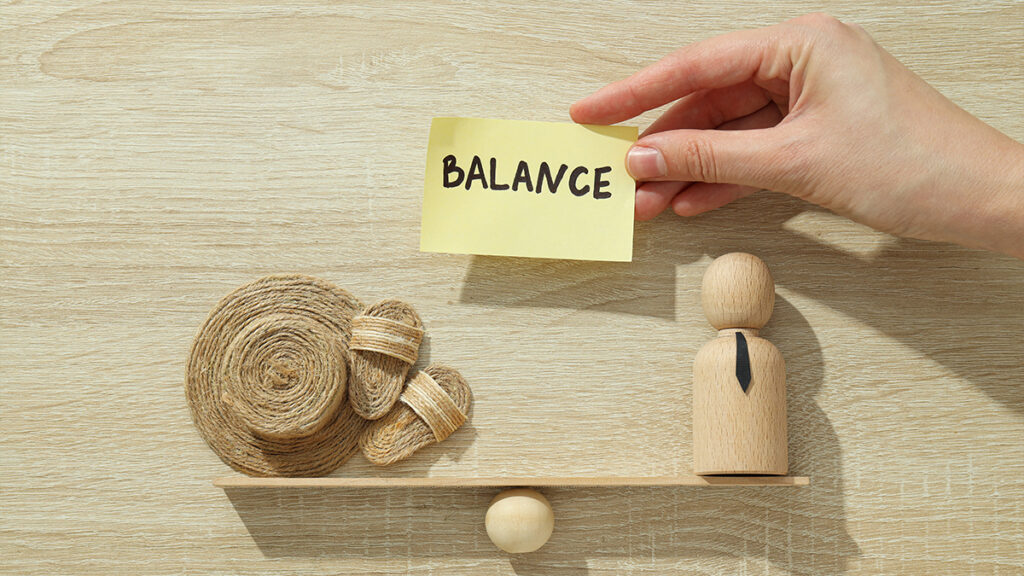
Finding balance in social media use is not about cutting ties completely but about redefining how we engage with it. Balance means using technology mindfully so that it serves human needs instead of controlling them. It involves being aware of how much time is spent online, what type of content is consumed, and how those habits affect mood, focus, and relationships. This article explores why digital balance matters, the psychology behind social media use, and practical strategies to create a healthier, more intentional online presence.
The Double-Edged Nature of Social Media
The Benefits of Connection
At its best, social media is a powerful tool for connection and empowerment. It allows friends and families to stay in touch across distances, helps people discover communities built around shared passions, and provides access to real-time news and resources. For creators and businesses, it offers opportunities to reach global audiences with minimal cost. Students use it for learning, professionals for networking, and individuals for inspiration through stories, art, and innovation. When approached consciously, social media enables people to learn, grow, and feel a sense of belonging.
The Hidden Costs of Overuse
The downside of social media becomes clear with overexposure. Endless scrolling through curated highlight reels often leads to unhealthy comparison, lowered self-esteem, and increased anxiety. Notifications and algorithm-driven feeds encourage addictive patterns, making it difficult to disconnect. Overuse also affects physical health—poor sleep, reduced activity, and eye strain are all linked to excessive screen time. These hidden costs highlight why balance is essential—not as a punishment but as protection for mental, emotional, and physical well-being.
The Psychology of Social Media Use
Dopamine and the Reward Cycle
Social media platforms are intentionally designed to capture and hold attention. Every like, comment, or share triggers a small release of dopamine—the brain’s “feel-good” chemical associated with reward. This creates a loop where users crave the next notification or interaction, making time online stretch longer than intended. While not inherently harmful, constant engagement with these reward cycles makes it easy to lose control of attention and focus. Recognizing this design helps break the cycle and regain balance.
The Role of Social Comparison
Comparison is part of human nature, but social media magnifies it. Seeing constant snapshots of others’ achievements, vacations, or appearances can create feelings of inadequacy. Known as social comparison, this tendency directly impacts self-esteem and emotional health. The curated reality of social media rarely shows the struggles behind the highlights. Understanding this perspective reduces the weight of comparison and encourages a healthier, more compassionate view of oneself.
Recognizing Signs of Imbalance
Emotional Cues
One of the clearest signs of imbalance comes through emotions. If time on social media leaves someone feeling anxious, envious, lonely, or drained, these are red flags of overuse. Rather than feeling connected and inspired, the platforms begin to diminish mental health. Paying attention to these emotional cues is the first step toward recalibrating digital habits.
Behavioral Patterns
Habits provide another clue. Constantly checking notifications, struggling to concentrate without picking up a device, or sacrificing sleep to scroll are all signs of imbalance. When online behaviors start to interfere with work, relationships, or rest, it becomes clear that change is needed. Recognizing these patterns creates awareness, which is the foundation of balance.
Strategies for Creating Digital Balance
Practicing Digital Mindfulness
Mindfulness means approaching social media with awareness. Before opening an app, pausing to ask, “Why am I using this right now?” helps create space between impulse and action. Sometimes the answer is genuine connection; other times it may be boredom or avoidance. By being intentional, scrolling becomes a choice rather than a reflex.
Mindful use also involves engaging deeply instead of skimming endlessly. Choosing to interact thoughtfully—commenting with sincerity, supporting uplifting content, or following accounts that align with personal values—transforms social media into a more enriching experience.
Setting Healthy Boundaries
Boundaries are essential for maintaining balance. Practices such as limiting usage to certain times of day, turning off unnecessary notifications, or designating screen-free areas at home can reduce overwhelm. These boundaries free time for offline activities like reading, exercising, or spending time with loved ones. Boundaries don’t restrict connection—they protect attention and energy for what matters most.
Curating Content Mindfully
Not all content is created equal. Following accounts that inspire, educate, or uplift creates a healthier digital environment, while muting or unfollowing accounts that trigger negativity protects mental well-being. Curating feeds with intention transforms them from spaces of comparison into spaces of growth and learning.
Social Media and Mental Health
The Link Between Screen Time and Anxiety
Research increasingly shows that heavy social media use is linked to higher levels of anxiety and depression, especially among young adults. The constant exposure to idealized lives and unending streams of news creates mental fatigue. Cutting back—especially before bed—improves sleep, clarity, and emotional balance. Digital balance is therefore not just about time management but also about preserving mental health.
Building Self-Worth Outside Social Media
Another key element of balance is ensuring that self-worth isn’t tied to likes, comments, or follower counts. When self-esteem depends on digital validation, fluctuations in online engagement can deeply impact confidence. Building skills, nurturing offline relationships, and engaging in hobbies outside the digital world strengthen identity and create resilience. This stability ensures that social media becomes a supplement to self-worth rather than the foundation of it.
The Role of Offline Life in Digital Balance
Reconnecting With the Physical World
Balance thrives when the offline world is rich and fulfilling. Activities like journaling, exercising outdoors, cooking, or spending time with friends bring joy that screens cannot replicate. These real-world experiences create grounding and reduce dependency on digital validation. By investing in offline life, social media takes its rightful place as an addition—not the center—of daily living.
Prioritizing Face-to-Face Interactions
While digital interactions can be meaningful, they cannot replace the depth of face-to-face connection. Eye contact, physical presence, and shared experiences create bonds that screens cannot fully replicate. Prioritizing in-person relationships builds emotional resilience and provides a sense of belonging that strengthens overall well-being.
Creating Sustainable Digital Habits
Embracing Digital Detoxes
Taking intentional breaks from social media—whether for a few hours, a weekend, or longer—can reset habits and provide perspective. Detoxes reveal just how much time and energy are freed when screens are set aside. They also help individuals reflect on what they genuinely value online and what they don’t miss at all.
Integrating Social Media Into a Balanced Lifestyle
Long-term balance doesn’t come from extremes but from integration. Social media can coexist with productivity, wellness, and creativity when approached intentionally. By aligning use with personal values—learning, inspiration, or community—individuals transform platforms into tools for growth. Sustainable habits develop not through restriction but through consistent, mindful choices that respect both digital and offline life.
Long-Term Benefits of Balanced Social Media Use
Improved Mental Clarity
Moderation in social media use creates space for deeper focus and presence. With fewer distractions from notifications and feeds, mental clarity improves. People find it easier to concentrate on tasks, enjoy activities fully, and remain calm throughout the day.
Strengthened Self-Identity
Balanced use nurtures a stronger sense of self. Without constant comparison to others’ curated lives, individuals become more confident in their own paths and values. This grounded identity fosters authenticity and reduces susceptibility to online pressures.
Enhanced Well-Being
Ultimately, finding balance in social media use improves overall well-being. Emotional resilience strengthens, stress levels decrease, and relationships become richer. Social media shifts from being a source of anxiety to a supportive tool for creativity, connection, and learning. The ripple effects extend beyond screens, influencing lifestyle, health, and happiness.
Conclusion
Social media itself is not inherently harmful—it is a tool whose impact depends on how it is used. In moderation, it creates opportunities for connection, inspiration, and knowledge. In excess, it fosters distraction, anxiety, and comparison. The key lies in balance: setting boundaries, curating content with intention, prioritizing offline experiences, and practicing digital mindfulness.
By reclaiming control over digital habits and aligning them with values, individuals transform social media from a drain on attention into a source of growth and enrichment. Balance is not about restriction but empowerment—it ensures that technology serves human needs, not the other way around. When approached with awareness, social media becomes a tool that enhances life rather than detracts from it, offering connection, creativity, and clarity in healthy measure.