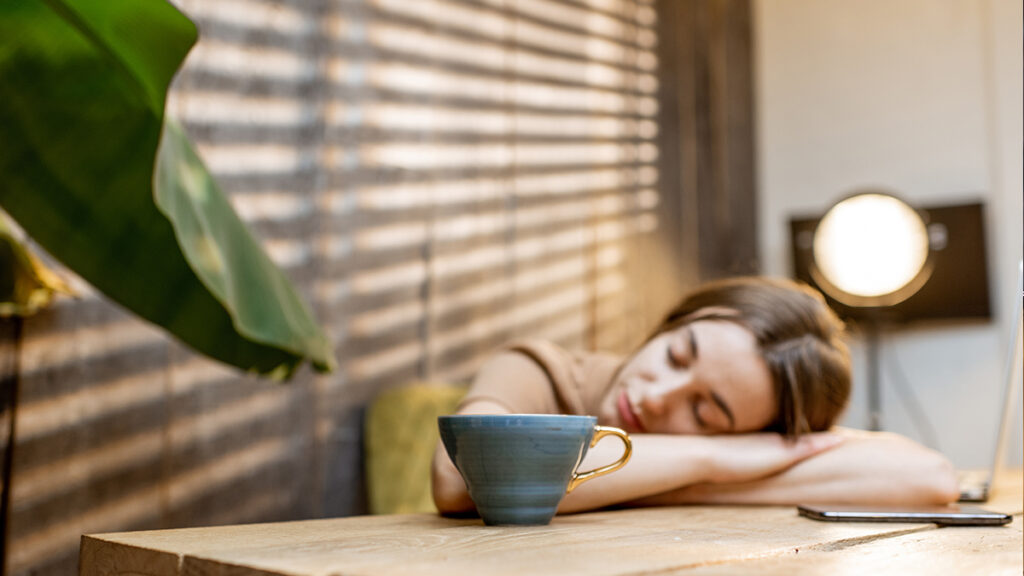
Understanding Your Body’s Circadian Rhythm

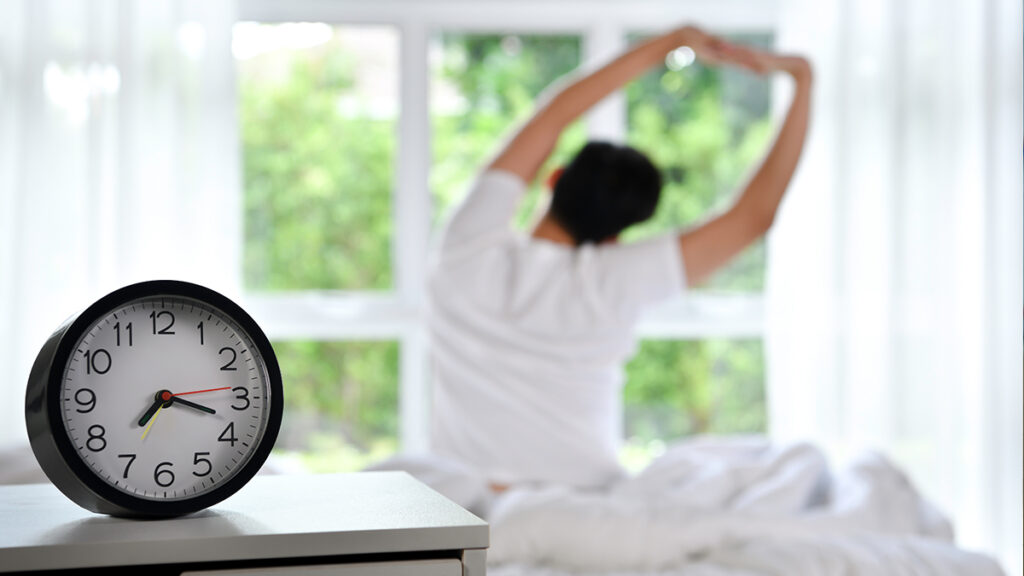
Introduction: The Internal Clock That Shapes Your Life
Every morning when you open your eyes and every night as you drift into sleep, there’s an invisible yet powerful force guiding your body—your circadian rhythm. Often referred to as your internal clock, this biological system orchestrates countless processes: when you feel alert, when you get sleepy, how your hormones rise and fall, how your digestion works, and even how effectively your immune system protects you.
Most people think of the circadian rhythm as simply a “sleep schedule.” In truth, it is a complex network of timing mechanisms that synchronize almost every system in your body to the natural cycle of light and darkness. Your ability to focus at work, your appetite in the afternoon, your energy dips, your mood stability—all of these are influenced by this rhythm humming away in the background.
Yet modern life often pulls us out of sync with this ancient biological pattern. Artificial lights keep us awake long after the sun sets, irregular work schedules and all-night study sessions shift our sleep cycles, and the constant glow of screens signals to the brain that it’s still daytime. Over weeks, months, and years, this chronic disruption doesn’t just make us tired—it can increase risks of mood disorders, metabolic imbalances, and cardiovascular issues.
The good news is that by understanding your circadian rhythm—and making small but intentional choices to support it—you can transform your health, productivity, and overall well-being. Let’s explore the science, the risks of disruption, and the practical steps you can take to live in harmony with your inner clock.
The Science of Circadian Rhythms
What Exactly Is the Circadian Rhythm?
The circadian rhythm is a roughly 24-hour biological cycle that regulates the timing of processes in nearly all living things, from plants that open their leaves at sunrise to humans who feel sleepy when night falls. The word “circadian” itself comes from the Latin circa (around) and diem (day), reflecting its alignment with Earth’s rotation.
In humans, the master regulator of this rhythm is the suprachiasmatic nucleus (SCN), a small cluster of about 20,000 nerve cells located in the hypothalamus of the brain. Despite its tiny size, the SCN acts like the conductor of an orchestra, ensuring that the body’s many “peripheral clocks”—found in organs like the liver, heart, and digestive tract—stay in sync with one another.
Light is the most powerful cue for this master clock. When light enters your eyes, specialized photoreceptors send signals to the SCN, which then adjusts the release of hormones and other physiological processes to match the time of day. This is why morning sunlight wakes you up and why darkness triggers the urge to sleep.
But the circadian rhythm governs much more than just sleep and wake cycles. It influences your body temperature, blood pressure, digestion, metabolism, energy levels, and even cellular repair processes. In essence, your circadian rhythm is constantly fine-tuning your biology to optimize performance depending on the time of day.
The Role of Hormones in the Circadian System
Hormones are the messengers that translate circadian signals into physical effects. Two of the most important are melatonin and cortisol.
- Melatonin, often called the “sleep hormone,” is produced in response to darkness. As evening approaches, melatonin levels rise, signaling to the body that it’s time to prepare for rest.
- Cortisol, often labeled the “stress hormone,” is more accurately the “alertness hormone” in this context. Its levels peak in the morning, helping you feel awake and ready to take on the day, then gradually decline as bedtime approaches.
Other hormones also follow circadian patterns. Insulin (which regulates blood sugar), ghrelin and leptin (which influence hunger and satiety), and even sex hormones are all influenced by this internal timing system. When these rhythms fall out of sync, you may notice more than just poor sleep—you might struggle with low energy, inconsistent appetite, or mood swings.
How Modern Life Disrupts Circadian Rhythms
Artificial Light and Screen Time
For most of human history, circadian rhythms aligned closely with the sun’s rising and setting. But today, artificial light allows us to extend daylight artificially, and our devices expose us to blue light, which strongly suppresses melatonin production.
Think about scrolling through your phone in bed. Even though it may be midnight, the light hitting your retina tells your brain it’s still daytime. Your SCN responds by delaying melatonin release, keeping you alert when your body should be winding down. Over time, this constant trickery creates a state of “social jet lag,” where your internal time zone is perpetually misaligned with your actual schedule.
Irregular Sleep Schedules
Another modern disruptor is inconsistency. Whether it’s pulling late nights for work, adjusting to rotating shifts, or sleeping in on weekends, irregular sleep patterns confuse the circadian system. Shift workers are particularly vulnerable. Their need to sleep during the day and stay awake at night is essentially the biological equivalent of traveling across multiple time zones every week.
Even less extreme disruptions, like staying up late on Friday and Saturday, can cause what researchers call “social jet lag.” By Monday morning, your body feels as though it has flown to another time zone, leaving you groggy, unfocused, and moody.
Diet and Meal Timing
Your circadian rhythm doesn’t just regulate sleep; it also influences digestion and metabolism. Digestive enzymes, insulin sensitivity, and gut motility all follow predictable rhythms. Eating heavy meals late at night disrupts this flow, often leading to indigestion, poor nutrient absorption, and restless sleep.
Emerging research suggests that meal timing may be as important as meal content. Eating in alignment with daylight—sometimes called “circadian eating”—supports optimal metabolism. For instance, having a substantial breakfast and lighter dinner aligns with your body’s natural energy use, while late-night snacking may impair glucose regulation and promote weight gain.
The Health Impacts of Circadian Disruption
Sleep Disorders and Insomnia
When your circadian system is misaligned, sleep often suffers. You might struggle to fall asleep, wake frequently during the night, or wake too early in the morning. Chronic poor sleep then cascades into reduced cognitive performance, weakened immunity, and greater vulnerability to illnesses.
Mood Disorders and Mental Health
Circadian disruption has been closely tied to mental health conditions. Disorders such as depression, anxiety, and seasonal affective disorder (SAD) are strongly influenced by the timing of light exposure and neurotransmitter regulation. Serotonin, the “feel-good” neurotransmitter, follows circadian cycles. If those cycles are off, emotional stability can take a hit, leaving individuals more prone to mood swings and depressive episodes.
Metabolic and Cardiovascular Issues
Irregular circadian rhythms also affect metabolism. Disrupted sleep and misaligned eating patterns reduce insulin sensitivity, making it harder for the body to regulate blood sugar. Over time, this increases the risk of obesity and type 2 diabetes.
Cardiovascular health also follows circadian patterns. Blood pressure typically dips at night, giving the heart a chance to rest. But irregular sleep-wake cycles can interfere with this rhythm, placing extra strain on the cardiovascular system and raising risks for hypertension and heart disease.
How to Support a Healthy Circadian Rhythm
Prioritize Consistent Sleep-Wake Times
One of the simplest yet most effective strategies is maintaining a regular sleep and wake schedule, even on weekends. Going to bed and rising at roughly the same time each day helps your SCN anticipate when to release melatonin and cortisol, making sleep and wakefulness feel more natural.
Optimize Light Exposure
Start your day with sunlight. Morning light exposure suppresses melatonin and boosts cortisol, signaling alertness. Aim for at least 20–30 minutes outdoors in the early hours. In the evening, reduce artificial light exposure by dimming lamps, switching to warmer light tones, and limiting screens at least an hour before bedtime. Blue light–blocking glasses can also help when evening screen time is unavoidable.
Align Meals with Your Body Clock
Try to eat during daylight hours and avoid heavy meals late at night. A rhythm of breakfast, lunch, and an earlier dinner supports digestion and metabolism in sync with your body’s natural cycles. For many, shifting the largest meal earlier in the day can improve both energy and sleep quality.
Incorporate Physical Activity at the Right Times
Exercise strengthens circadian stability, but timing makes a difference. Morning and early afternoon workouts tend to reinforce wakefulness and improve nighttime rest. Late-night intense exercise, however, can stimulate cortisol and adrenaline, making it harder to wind down.
The Future of Circadian Health
Chronotherapy and Personalized Medicine
As circadian biology research grows, chronotherapy—the practice of timing medical treatments with the body’s natural rhythms—is gaining ground. For example, certain blood pressure medications are more effective when taken at night, while chemotherapy may cause fewer side effects when administered at specific times of day. Personalized circadian medicine may soon become a standard approach in healthcare.
Workplace and Lifestyle Adaptations
Forward-thinking companies are beginning to consider circadian health in workplace design. Adjustments like circadian-friendly lighting, flexible work hours, and scheduled breaks aligned with natural energy cycles could improve employee well-being and productivity. As awareness spreads, future work and lifestyle structures may adapt to support—not fight against—our natural biological rhythms.
Conclusion: Living in Harmony with Your Inner Clock
Your circadian rhythm is not just background biology—it is the foundation of your daily energy, mood, and long-term health. When this rhythm is aligned, you feel sharper, calmer, and more resilient. When it’s disrupted, the effects ripple into nearly every corner of your life.
The key to thriving lies in respecting this natural system. By getting natural light in the morning, keeping a consistent sleep routine, eating in sync with your body’s cycles, and moving your body at the right times, you can restore balance to your internal clock.
In a society filled with artificial light, 24/7 schedules, and constant digital stimulation, protecting your circadian health is both an act of self-care and a path to peak performance. Living in harmony with your inner clock may be one of the simplest yet most powerful ways to reclaim your vitality, focus, and well-being for the long term.