How to Save for a Down Payment on a House

Introduction: Turning a Down Payment Dream into Reality
In today’s housing market—where high prices, elevated mortgage rates, and tight inventory dominate—saving for a down payment can feel like a monumental challenge. For many first-time buyers, especially in 2025, the thought of coming up with a 20% down payment seems overwhelming. However, the reality is far more attainable. The median down payment among first-time buyers currently sits around 9%, and many loan programs allow as little as 3% to 5% down.
The key lies in breaking the process into clear, manageable steps. By setting a realistic goal, adopting consistent saving habits, and exploring programs designed to assist new buyers, saving for a down payment becomes achievable. This guide walks you through how much you really need, how to save effectively, and how to do it without compromising your financial well-being.
Understanding Down Payment Basics
Setting a Realistic Target for Your Down Payment
Conventional wisdom often points to a 20% down payment to avoid private mortgage insurance (PMI) and to secure better loan terms. While these benefits are valuable, the truth is that most first-time buyers don’t wait to hit the 20% mark. With median home prices hovering in the mid-$300,000 range, a 9% down payment means saving around $30,000 to $40,000—a far more approachable figure.
Government-backed programs like FHA, VA, and USDA loans offer options with as little as 0% to 3.5% down. These programs enable buyers to enter the market sooner, without draining their savings. The goal should be to strike a balance between affordability and timeline. A lower down payment might come with trade-offs like PMI, but it may also allow you to stop renting and start building equity sooner.
The Trade-offs of Bigger Down Payments
Putting down more money upfront can reduce your monthly payments, secure better interest rates, and eliminate PMI. It also builds instant equity, which can offer peace of mind and more financial stability. However, it may not always be the smartest move—especially if saving for a larger down payment delays your purchase while home prices rise faster than your savings can grow. Sometimes, buying with a smaller down payment and refinancing later makes more sense.
Charting a Path: Building Your Savings Strategy
How Long Will It Take to Save?
Your timeline depends on your income, savings rate, and home price goals. For example, if you’re targeting a $350,000 home and plan to put down 10%, you’ll need $35,000. Saving $875 per month would get you there in about 40 months. However, increasing your savings rate, cutting expenses, or using windfalls can significantly shorten that timeline.
Creating a Budget and Setting Milestones
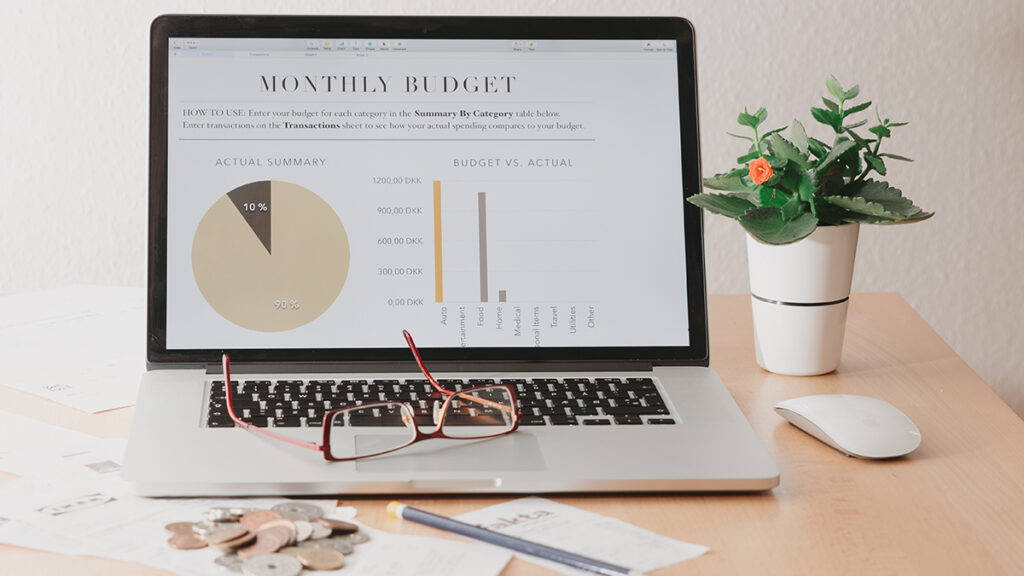
Start by researching home prices in your desired area and setting a target down payment. Build a monthly budget that prioritizes this goal. Treat your down payment savings like a non-negotiable expense—just like rent or utilities. Open a separate high-yield savings account for your down payment and automate regular transfers. This minimizes the temptation to dip into funds and reinforces consistent saving behavior.
Smart Saving Tactics That Boost Progress
Automate, Allocate, and Accelerate
Automating your savings is one of the most powerful strategies. Set up recurring transfers so the money moves out of your checking account before you can spend it. Redirect windfalls—like tax refunds, bonuses, or gifts—into your savings fund. These irregular boosts can add up fast and push you closer to your goal.
Increase Income and Cut Discretionary Spending
When savings alone aren’t enough, consider adding a side gig, freelancing, or selling unused items. Extra income, even if small, can significantly reduce your timeline. Meanwhile, reevaluate discretionary expenses like takeout, streaming services, or luxury purchases. Redirecting even $200 a month can shave several months off your savings journey.
Tapping Into Assistance Programs and Alternative Paths
First-Time Buyer and Down Payment Assistance Programs
Many first-time homebuyers qualify for federal, state, or local programs offering down payment assistance, grants, or forgivable loans. FHA loans require as little as 3.5% down, while VA and USDA loans may require no down payment at all. Some programs even match your savings or offer second mortgages with deferred payments.
Shared equity programs—where a third party provides part of the down payment in exchange for a share of your home’s appreciation—are also growing in popularity. These options reduce the initial burden and help you enter the market faster without stretching your finances.
Living With Family or Co-Buying to Reduce Costs
Some buyers move in with family temporarily to eliminate rent and boost savings. Others team up with friends or siblings to co-purchase a home and share expenses. While these arrangements require legal clarity and trust, they can dramatically accelerate your path to homeownership—especially in expensive markets.
Staying Financially Secure While Saving Aggressively
Don’t Jeopardize Your Emergency Fund or Credit Health
It’s tempting to pour every dollar into your down payment fund, but it’s crucial to maintain an emergency reserve of 3–6 months of expenses. Depleting your safety net leaves you vulnerable to unexpected expenses—and potentially delays your ability to qualify for a mortgage. Likewise, paying off high-interest debt or managing your credit score is essential to securing favorable loan terms.
Adjust Your Plan as Life and Markets Shift
Real estate markets change, as do personal circumstances. Revisit your plan quarterly or annually to adjust for shifts in income, home prices, or life goals. If your target price increases or your income changes, revise your savings goal and timeline accordingly. Staying flexible ensures you don’t burn out or lose momentum.
Real Stories That Inspire
Couples Saving Creatively for Their First Home
One couple managed to save $28,000 for a London flat by living frugally, skipping vacations, and taking advantage of a government help-to-buy program. Their journey highlights how targeted sacrifices and strategy make a big difference.
Gen Z Buyers Hitting Milestones Early
Some under-30 buyers have used shared housing, co-buying arrangements, or significant lifestyle sacrifices to reach down payment goals. Many report saving half their income by prioritizing homeownership over leisure and luxuries—proving it’s possible to achieve big financial goals early with discipline and creativity.
Choosing When to Buy: Now or Later?
Is Waiting Worth It—or Will You Be Priced Out?
Housing prices often increase faster than people can save. If you’re waiting to save 20% but home values rise 10% per year, you may actually fall further behind. Buying with a smaller down payment now may involve PMI or a slightly higher rate—but it gets you into the market and allows you to start building equity.
Keep Flexibility in Mind Post-Purchase
If you buy with less than 20% down, consider refinancing in the future to eliminate PMI or secure a better interest rate. Having a flexible, long-term mindset ensures your first home fits your finances now and can evolve with your needs later.
A Practical Framework to Guide Your Savings
Step 1: Research your market. Understand home prices in your area and set a down payment goal based on a percentage that aligns with your timeline and budget.
Step 2: Build a budget. Calculate how much you need to save monthly and automate contributions to a dedicated account.
Step 3: Accelerate with discipline. Cut unnecessary expenses, pursue side income, and allocate bonuses or refunds directly to your savings.
Step 4: Explore programs. Apply for assistance or consider co-buying to reduce the amount you need upfront.
Step 5: Check in regularly. Every few months, assess your progress and adjust based on life changes or market shifts.
Conclusion: Saving for a Down Payment Is Within Reach
You don’t need to save $100,000 or wait a decade to buy a home. With clear goals, smart financial habits, and creative thinking, saving for a down payment—even in today’s challenging housing market—is entirely achievable. Whether you’re aiming for a 5%, 10%, or 20% down payment, success lies in consistency, flexibility, and planning.
Homeownership isn’t just a dream—it’s a destination you can reach with the right strategy. Stick with your plan, be patient with your progress, and celebrate each milestone along the way. Your first set of keys may be closer than you think.