How to Start Investing with Just $100

Introduction: Rethinking the Myth of Needing Thousands to Invest
For a long time, investing felt like an exclusive club. Between high account minimums, complex jargon, and intimidating gatekeepers, many people believed you needed thousands of dollars just to get started. But that’s no longer the case. Thanks to fintech innovations, mobile apps, and greater access to financial education, the doors to investing are now wide open—even if you only have $100.
Whether you’re a student, freelancer, or someone starting fresh after paying off debt, investing on a small scale isn’t just possible—it’s powerful. Starting with $100 can help you form healthy financial habits, build confidence, and begin tapping into the benefits of compound growth. Most importantly, it helps you break down the mental and practical barriers that keep many people on the sidelines.
This guide will walk you through how to start investing with $100, how to make smart choices from day one, and how to build momentum as your income grows. Because in investing, it’s not about how much you start with—it’s about how early and consistently you begin.
Understanding the Value of Starting Small
The Psychology Behind Small Investments
It may not seem like $100 could change your financial future—but the act of starting is often more important than the dollar amount. When you begin with a small investment, you’re doing more than just putting money into the market—you’re committing to a mindset. You’re replacing hesitation with action, and fear with learning.
Small investments help you build financial literacy without overwhelming risk. Watching your money fluctuate—even slightly—teaches you about market behavior, risk tolerance, and emotional decision-making. That early exposure lays the foundation for smarter and more confident investing down the road.
The Magic of Compound Interest at Any Scale
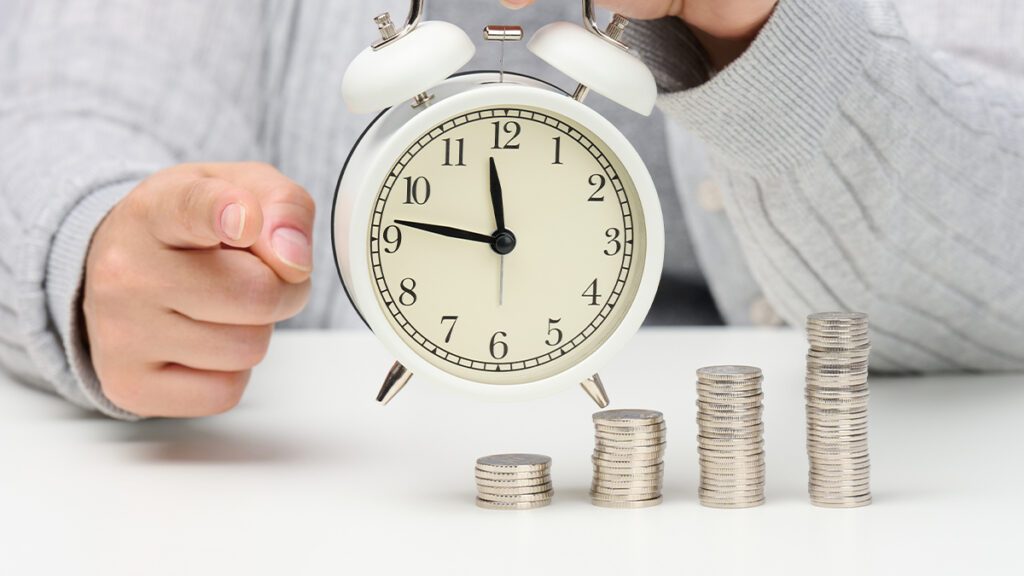
Even if you only invest $100 once, you’re planting a seed. With time and compounding, that seed can grow far beyond what you initially contributed. Compound interest means you earn returns on your original investment and on the interest it generates over time.
For example, if you invest $100 at an 8% annual return and leave it alone, you could have nearly $470 in 20 years. And that’s without adding another dime. Start contributing $100 a month, and the numbers become much more impressive. Time and consistency—not size—are what give compounding its power.
Choosing the Right Investment Platform
The Rise of Micro-Investing and No-Fee Apps
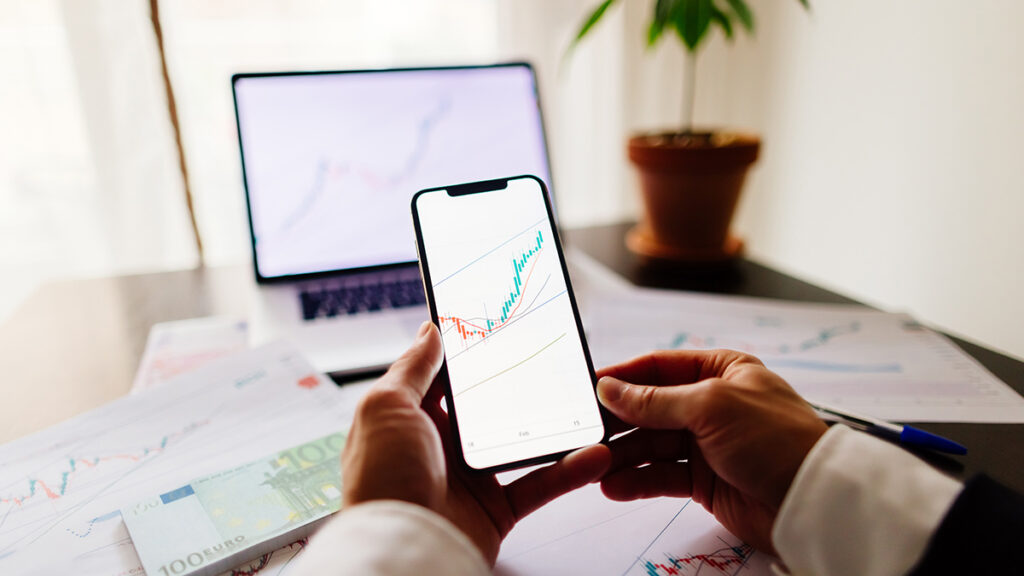
The old days of needing a financial advisor or a brokerage account with a $5,000 minimum are gone. Today, apps like Robinhood, SoFi, Public, and Webull let you open an account with no minimums and invest in fractional shares—meaning you can own a piece of Amazon or Tesla with just a few dollars.
Other apps like Acorns or Stash round up your purchases and invest the spare change, making investing nearly effortless. These platforms are designed with beginners in mind, often including educational content, automatic deposit options, and simple interfaces.
If you’re outside the U.S., similar platforms like Zerodha, Groww, ET Money, or Trading 212 provide access to diversified investment products with very low entry barriers.
Security, Simplicity, and Accessibility Matter
When choosing a platform, look for three key features: strong security, a user-friendly interface, and flexibility in deposits and withdrawals. You want an app that’s easy to use, low in fees, and backed by regulatory protections (like SIPC insurance in the U.S.).
Your first $100 investment should be simple, safe, and something you can build on—not something you have to worry about or micromanage every day.
Picking Your First Investment with $100
Index Funds and ETFs: Low-Cost, Low-Stress Investing
With a small amount of money, you want to prioritize diversification. Exchange-Traded Funds (ETFs) and index funds are great for this. They pool your money across hundreds of companies and industries, reducing the risk of losing everything due to one stock performing poorly.
For instance, an S&P 500 ETF (like VOO or SPY) gives you exposure to 500 of the largest companies in the U.S.—from Apple to Coca-Cola. You can also find ETFs focused on tech, healthcare, international stocks, or sustainable companies.
Most modern platforms let you buy fractional shares of ETFs, meaning your $100 can be spread across dozens or even hundreds of stocks.
Individual Stocks: Learning Tools, Not Lottery Tickets
Buying individual stocks with $100 is possible, especially through fractional investing. You could own part of Apple, Microsoft, or any company you’re curious about. But keep in mind: putting all your money into one stock is risky, especially early on.
If you do choose to invest in individual stocks, treat it as a learning opportunity, not a quick-profit scheme. Use this time to study the company, watch how stock prices move, and get a feel for market dynamics.
Alternative Investments with Small Capital
Cryptocurrency: Proceed with Caution
Crypto is one of the most accessible and volatile asset classes for small investors. Platforms like Coinbase, Binance, and Kraken let you buy fractional coins with as little as $10. With $100, you can start exploring Bitcoin, Ethereum, or other emerging assets.
But remember: crypto is highly speculative. Prices can swing wildly, and losses happen fast. If you invest in crypto, keep it to a small percentage of your total investment and view it as high-risk, high-reward.
Robo-Advisors: Set-It-and-Forget-It Simplicity
If you’d rather not manage your own portfolio, robo-advisors are a great option. Platforms like Betterment, Wealthfront, or Vanguard Digital Advisor use algorithms to build and maintain a diversified portfolio for you based on your goals and risk tolerance.
Most robo-advisors accept small amounts and have low management fees. They also automatically reinvest dividends and rebalance your portfolio, making them a stress-free option for long-term investors.
Scaling Your Strategy Over Time
Dollar-Cost Averaging: Build with Consistency
Once your first $100 is invested, the next step is to build a habit. Dollar-cost averaging means you invest a fixed amount at regular intervals—regardless of market ups or downs. It’s one of the most effective ways to stay consistent and avoid the temptation to time the market.
Even $25 or $50 every month adds up over time. More importantly, it builds discipline, which is more valuable than trying to guess when to buy and sell.
Reinvest Dividends and Embrace the Power of Time
Many investments—especially ETFs and stocks—pay dividends. Reinvesting those dividends (automatically, if your platform allows it) boosts your compounding power. Instead of taking payouts in cash, your earnings buy more shares, which earn more dividends, and so on.
This reinvestment loop is one of the easiest and most effective ways to grow your portfolio without doing any extra work.
The Mindset of a Long-Term Investor
Don’t Expect Overnight Success
Investing isn’t a shortcut to wealth—it’s a long-term game. Your $100 might go up one week and down the next. That’s normal. The key is to stay consistent, avoid panic, and stick with your strategy.
Setting goals—whether it’s saving for a home, retirement, or financial independence—helps you focus on the bigger picture and avoid emotional decisions.
Keep Learning as You Grow
Your first $100 investment isn’t about the return—it’s about the lesson. Read books, listen to podcasts, follow credible investors, and track your portfolio. The more you learn, the more confident you’ll become. Over time, that confidence leads to better decision-making and smarter risk-taking.
What starts with $100 can become a portfolio worth thousands—built not on luck, but on knowledge and habit.
Common Mistakes to Avoid
Following the Hype Without Doing Your Homework
It’s tempting to chase “hot tips” on Reddit, YouTube, or TikTok. But viral stock picks rarely come with context or caution. Avoid jumping into investments just because everyone else is. Always do your research, understand what you’re buying, and stick to your plan.
Ignoring Fees That Can Eat into Returns
Even small accounts are affected by fees. A 1% annual fee might seem tiny, but over time, it adds up and eats into your returns. Choose low-cost platforms and avoid funds with high expense ratios unless you’re confident in their value.
Conclusion: Turning $100 into a Financial Foundation
Investing with just $100 may feel small—but it’s a giant step toward taking control of your financial future. It’s not about the amount. It’s about the mindset, habit, and knowledge you gain by starting.
Thanks to modern tools and platforms, anyone can start investing. You don’t need a finance degree, a massive paycheck, or a Wall Street connection. You just need the willingness to learn, the discipline to stay consistent, and the courage to get started.
That first $100 could be the beginning of a lifelong journey toward financial freedom. So don’t wait. Start now, learn as you go, and give your future self something to thank you for.